Living Arrows

Living Arrows 2018 – 27/52

This weekend was one that we’d been looking forward to all year.

The weekend of the Wales National Airshow here in Swansea.

We’ve been along to see it every year since it started, and absolutely love it every single time.  We pack up a bag with a blanket, drinks and snacks and head down to the beach to enjoy the show.

It was a glorious sunny day on Saturday, with clear blue skies and just enough of a breeze to not feel uncomfortably hot.  So we wandered down for the first display at around midday and stayed till the Red Arrows wrapped things up perfectly just after 5 o’clock.

We’ve seen them quite a few times now and they’re always the highlight of the day for me, just amazing to sit and watch.

Normally we would go down to the beach for both days of the Airshow, but this year the displays were the same on both days and the forecast for Sunday was actually pretty grey and soggy.  So, after debating for a while, we decided to give the second day a miss this year.

Lucky for us though, we could still see some of the displays from our bedroom window.

Living Arrows

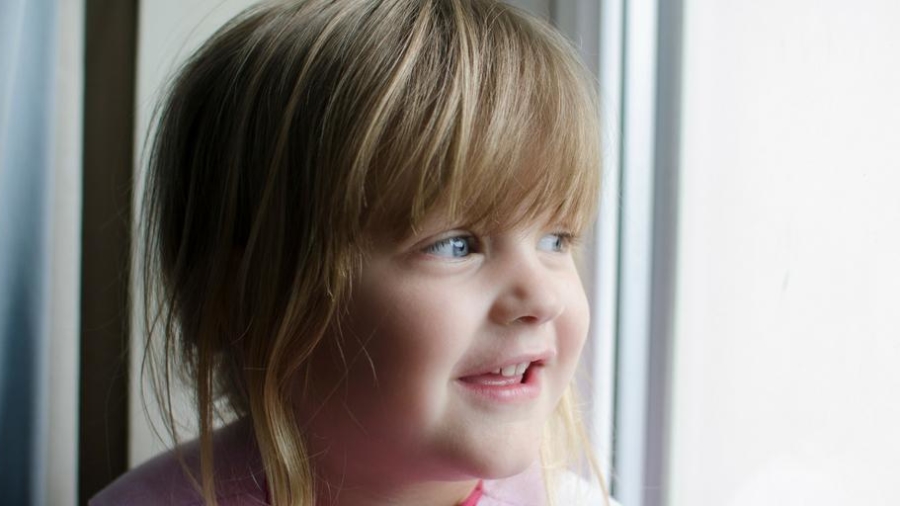
This was the face of a little girl rather excited to have been able to see both the Red Arrows and the RAF Eurofighter Typhoon from our house.

She has always been that little bit more interested in watching the planes than Rhys, and is a huge fan of the Red Arrows.  She does like the Typhoon too, and isn’t even slightly bothered by how loud it is.

It just makes us laugh now when it flies over, because it brings back memories of both Nerys and Rhys sleeping through it when they were babies.  Honestly, if you’ve ever heard it you’ll know how unbelievably loud it is, and it’s just so funny to remember these babies not even stirring in the buggy as it flew past.

The best piece of advice my sister gave me before I had the children was to never tiptoe around them when they’re sleeping, to just carry on as normal, and that they’ll get used to sleeping through the noise.

She was right with my two at least!

Living Arrows
low maintenance garden

4 ideas for a low maintenance garden

When Steve and I first got together we lived in a block of flats in the middle of town.  So when we moved to the house we live in now, just before Rhys was born, we were so excited to finally have a garden to be able to spend time in.

Ok, I’ll admit it, I was particularly excited about having a garden that had a washing line so I could finally dry our washing outside rather than over radiators inside.

What we realised quite quickly though, is that the garden is quite high maintenance.  It has paving slabs, wooden decking, grass, flower beds and a huge variety of plants growing.  It’s lovely, but when we move at some point in the future I’ll be looking for a house with a garden that’s a bit easier to maintain.

If you don’t have the time or energy to dedicate to your garden, then these 4 ideas that I’ve found for a creating a low maintenance garden might come in handy!

4 ideas for a low maintenance garden

Go evergreen

When you’re thinking about what plants to grow in your garden, try and stick to evergreen varieties.  They tend to be quite low-maintenance and look good pretty much all year.

In shady parts of your garden you could go for a daphne plant, which tend to grow into quite a compact, rounded shape and feature small, fragrant flowers.

For sunnier areas of the garden lavender is a great option that is nice and easy to grow as well as looking and smelling great.

Add some perennials

To give some low-maintenance colour and interest to your garden try adding a couple of perennials.

Geraniums are a great choice because they require hardly any attention, and they flower for a long time.  There are also quite a few varieties to choose from depending on whether you want to grow them in a sunny or shady part of your garden so there’s something for everyone.

Make the lawn low-effort

Let go of the idea of a pristine lawn and instead think about letting some parts of it grow longer.  And when you do cut it, don’t worry about collecting all the clippings. Leaving them on the lawn will actually help to put nutrients back in to the soil.

For a really low-effort lawn you could go for artificial turf which doesn’t need any maintenance and will look good all year round.

Easy to care for rattan garden furniture

Choose easy to care for furniture

If you don’t have much storage space then ideally you want some garden furniture that you can leave out all year.  Plastic tables and chairs are nice and easy to clean down after a winter exposed to the elements, although they might not look all that fancy.  You can find some great deals with discounts codes from sites like 1discount.co.uk if you’re shopping online for garden furniture.

Wooden furniture looks much better and is strong and durable but you will need to treat it if it’s going to stay looking good.  Possibly the best low-effort option would be furniture made from materials like synthetic rattan which is weatherproof and extremely low maintenance.

Hopefully by considering these 4 things when it comes to our next garden we could create an outdoor space that we would love to spend time in, without spending a lot of time working on maintaining it.

Do you have any other tips for creating a low maintenance garden?

Disclaimer: this is a collaborative post

Me and mine July 2018

Me and mine – June 2018

Well June has been a pretty glorious month, hasn’t it!

Lots of blue skies and sunshine has meant lots of weekend afternoons spent at the beach.  It’s been so warm that the children have actually been able to swim in the sea which they’ve been absolutely loving.

The beach at Swansea bay is one of our family’s happy places, and having spent so much time there this month it seems fitting that we took our photos there for this month’s me and mine project post.

Me and mine June 2018

June has been a pretty good month all round.

The children are happy at school and both had loads of fun at their sports days.  There are only a few more weeks of school for this year and I think they’re starting to reach that wind-down time, where things relax a bit.  Rhys went on a trip with his class to Oxwich bay last week and had a great time looking for crabs and other creatures.  And Nerys’ class have been doing lots of learning with water outside to keep cool in the heat.

As much as they seem to be enjoying school, they’re both definitely looking forward to the summer holidays, and I am too.  Last summer we all seemed to get ill one after the other and it was a bit of a washout, so I’m hoping we’ll all stay healthy this year and can spend plenty of time at the park and the beach.

And I’ll be trying my best not to think too much about the fact that when September rolls round Rhys will be moving into the juniors and Nerys will be at school all day!

help your children make friends

How to help your child make friends

As I’ve got older I’ve joked a few times about how making friends is so much easier when you’re a child.  You just walk up to another child and start playing with them.  Easy!  Except, it’s not actually that easy is it.

Making friends can be so hard for all of us at times.  And it can be just as hard as parents to see our children struggle to make friends.

The thing is, we can’t always physically be there to help our children to make friends but there are several things we can work on with them to set them up for forming great friendships as they venture into the world of playgroups, nursery and school.

How to help your child make friends

Focus on your relationship with them

One of the most important things you can do to help your children build healthy relationships in the future, is to concentrate on your own relationship with them.

Various studies have been done that show that children with a secure attachment to their parents go on to have better, closer friendships.  If you’re not familiar with the term, John Bowlby (1988) explains that a child is securely attached if they’re confident of their parents’ support.  For securely attached children, the parent acts like a safe, secure base that they can explore the world from.

Securely attached children will keep track of their parent while they’re exploring, checking back in with them now and then.  They also go back to their parent or reach out to them physically when they’re scared or upset, and they’re comforted by being close to them.

Whether or not a child is securely attached is partly down to their innate nature, but there are things we can do as parents to encourage it to.

Researchers have found that parents who are sensitive and responsive to their child’s needs tend to have children who are then securely attached.  This doesn’t mean rushing to our babies every time they make a noise in the night, but it does mean getting to know their different cries and responding to them with love and care.

Parenting our children in a way that is sensitive to their feelings and responding in a caring, thoughtful way to their needs can really help set our children up for building healthy relationships with others in the future.


Teach them to be kind

Studies have shown that children who are more willing to help others are more likely to have high-quality friendships.  It makes sense that children who are kind and happy to help others will develop stronger relationships and find it easier to make friends in the first place.

You can help your child grow up to be kind by modelling kind behaviour yourself.  Let your child see you hold the door open for other people, help someone reach something in the supermarket and react with empathy when someone you know is sad or angry.

Empathy is really important for helping children be kind and foster positive relationships.

You can help your child be more empathetic by using any and every opportunity that comes up to talk about how other people are feeling.  If another child falls over at the park you can talk about how they are hurt and how that might make them feel sad, angry or scared.  When you’re reading a book or watching TV together and something bad happens to one of the characters then you can talk about how they might be feeling about it.

We read ‘Dogger‘ recently and it’s been a great opportunity to talk about several different emotions and to highlight how kind Dave’s sister is when she gets Dogger back for him.

Help children make friends

Help them to regulate their emotions

If your child has a tendency to be aggressive they might find it harder to make friends.

A study by Carlson et al (1984) found that, not really surprisingly, children reject people that they see to be aggressive, disruptive and irritable.  And various studies have shown that popularity in preschool is tied in with kindness and low aggression.

So to help your child make friends you need to first help them learn to regulate their emotions.

There were several studies carried out in the 90s that found that parenting style can have a big impact on how well children can regulate their emotions.  They found that children whose parents talked to them about their big emotions in a sympathetic, constructive way were more able to then control those emotions.

On the other hand, when parents reacted to those negative emotions by telling the child they’re just being silly or by punishing them for being angry or upset, the children tended to find it harder to regulate those emotions.

It’s not always easy, but when your child is angry or really upset, try and find a way to calm them down and talk about their feelings.  Tell them that you understand and that everyone feels angry and sad at times.  Don’t just dismiss their feelings.


Teach them to be good conversationists

I’m not saying we need to start coaching our children on politics and the arts so that they always have something to talk about, but there are some skills we can teach our children that can help their communication skills and their ability to have good conversations.

This in turn can help them to make friends.

A study by Bierman (1986) found that children became more popular with their peers after they’d had some training in active listening.  This is basically behaving in a way that makes it clear to the other person that we’re paying attention to what they’re saying.

We can help our children to be active listeners by teaching them to make appropriate eye contact during conversations, to let the other person speak without interrupting and to then make relevant responses to show they’ve listened and understood what was said to them.


Help children make friends play together


Help them plan for social situations

If. for example, your child has tried to make friends at the local park and it hasn’t gone well for them, then you can talk about what they could do differently next time.

You can discuss how your child could hold back for a minute if he sees children playing a game that he wants to join in with.  Rather than just jumping straight in he could have a think about what he could do to fit in with the game they’re playing.  So if the children are playing a make believe game where they’re selling ice creams, then maybe your child could ask to join in as a customer wanting to buy some.

This would also be a good time to talk about appropriate social behaviours.  So explain to them that they shouldn’t try and take over or change the game that the other children are playing.  And if the others don’t want to let you join in then don’t argue with them about it and try to force them to let you play, just walk away and find a new game to play or another child to try again with.


Children really are all so different; some will naturally make friends easily and others will find the whole thing harder to get right.

With some guidance though, and hopefully with the help from these tips, our children can learn to form solid, healthy friendships that will last.

Do you have any other tips or bits of advice for helping children to make friends?


Living arrows

Living Arrows 2018 – 26/52

I think it’s safe to say that summer has now arrived!

After a bit of a washout last weekend, the sun put his hat back on and came out to play again last week.  Which meant that Rhys’ school sports day went ahead on Friday with blue skies and lots of happy children giving it their all.

I do have mixed feelings about sports day, having never really enjoyed it much myself as a child.  Both Rhys and Nerys seem to really enjoy it though, for now at least.  Rhys took part in 4 races this year, and while he didn’t win any, he really tried and he looked like he had so much fun which surely is what it’s all about when you’re 7.

The sun stuck around into the weekend which meant we could do a Sunday afternoon trip to the beach, which seems to be our standard routine at the moment.

We went down for high tide so the water was really pretty warm, and the children had a blast swimming in the sea and then digging in the sand with our friends who came down to meet us.

living arrows

They ended up absolutely covered in sand and had to be sent back in the sea to rinse off before we could get them dressed again to come home.

Even then we still brought a fair bit of sand back home with us, and all needed a shower in the evening to rinse it away before bed.  I’ve now reached the point of just accepting that my house will be just that little bit sandy for the rest of the summer.

If it means that we’ve had an amazing summer with plenty of days spent at the beach though, it’ll be well worth it!


Living Arrows
Give me some spice

All about the blogger – Mina from Give Me Some Spice

I read quite a lot of blogs, and absolutely love finding new ones to read and new bloggers to get to know.  So I’m really excited to be part of ‘All about the blogger’ which is a new linky aimed at getting to know more bloggers.

To kick things off I’ve got the lovely Mina from Give Me Some Spice sharing some information on what her blog is all about, and answering some questions about herself.

Give me some spice

Introducing Mina

My name is Mina Joshi and I write a vegetarian Food blog: Give me some spice which has been selected by blog feedspot panelists as one of the Top 10 UK Vegetarian Blogs on the web:  https://blog.feedspot.com/uk_vegetarian_blogs/


Q1. How would your best friend describe you?

My best friend would say that I am very loyal and honest. She would also say that I am a good cook who is also a good event organiser.  She also knows that I am always the one who helps to tidy up after parties.  


Q2. What is your favourite thing about blogging? 

I love receiving complimentary comments on my blog Posts. It boosts my moral and keeps me motivated to keep blogging. 


Q3. If you could change anything about blogging, what would it be? 

Now this is a difficult question. Blogging, like anything else in life, is what you make of it.  Sometimes I feel that there is too much pressure to keep creating posts.


Q4. If you were invited to a Blogger’s Cocktail Party, which three bloggers would you invite and why? 

It would be very hard to decide which three bloggers to take with me.   I would certainly take Nayna from Simply foods ( https://www.simplysensationalfood.com) who I have known since my early blogging days and we have become good friends.  We also manage a couple of Facebook groups together.   My other two guests would probably be my son and husband who both help with the maintenance of my blog. 


Q5. What is the best blogging tip you have been given? 

Best blogging tip given to me by my son is make friends with other bloggers who have similar interests;  visit their blogs and leave meaningful  comments on their blogs, talk to them and also promote their work on social media. 


Q6. When you aren’t blogging, where is your favourite place to visit for a day out? 

I love going to Cambridge where there is so much to see and do.  I love going to the Cambridge market which sells the most amazing fruits and vegetables – you can tell I am a foodie!!.   My favourite is eating at one of the pubs or restaurants along the river and going punting with friends. 


Q7. Tell us about your guilty pleasure.  It could be food, drink, a TV program me or your favourite band.

My guilty pleasure is ordering a Pizza when I can’t be bothered to cook.  I love sitting on the sofa, watching TV and eating the pizza straight from the box!! It doesn’t happen often though. 


Q8. If you knew you were going to be marooned on a desert island and could take 3 luxury items with you, what would they be? 

It would have to be my mobile phone as it would have my family photos, my kindle and music; a huge box of my favourite chocolates – Galaxy and my lipstick.


Q9. What was the last good book you read? 

The book is called Absolute Power by David Baldacci.  Once you start this book, you have to keep reading it until the end. 


Q10. Describe your perfect date night?

For me a perfect date night is a nice meal in a posh Indian Restaurant like the Cinnamon Club followed by a trip to a West end Show.


If you’d like to get to know Mina even more then you can find her here:

Blog:  http://www.givemesomespice.com

Facebook Page: facebook.com/givemesomespice

Twitter: twitter.com/GiveMeSomeSpice

Instagram: instagram.com/givemesomespice

Pinterest: pinterest.com/GiveMeSomeSpice

Youtube: https://www.youtube.com/channel/UCbImI-9wP0mpFQ87bI3o4Cg


All About The Blogger

Advice for single parents

Guest post – advice for single parents, from a single parent

I have something a bit different today, a guest post from Daniel of DadSolo, full of advice for single parents, from a single parent.


Single parents head 27% of U.S. households with kids, according to Census Bureau statistics. Do you count yourself among this number? If so, then you have a full plate on your hands. In this post, we’ve got some great ways to deal with many of the challenges you likely face. Make no mistake – parenting is tough. But you’re tougher. Now let’s see how to make your responsibilities a little easier to bear.

Advice for single parents from a single parent

Keep it Routine

Kids need structure and order in their lives, according to experts at the Mayo Clinic. So keep their weekdays as routine as possible, with set times for meals, studying, recreation and social activities. This may require you to juggle work and other commitments, but the benefits for your children, and for you, are substantial.


Make Sensible Rules

Rule are just as important as a regular routine for fostering a stable family life, according to The Spruce. Here are three things to remember when creating and communicating sensible family  guidelines:

  1. Frame the rules as positive ideals, not negative prohibitions. For example, “Do your homework on time” is better than “Don’t put off your homework.”
  2. Have set consequences and communicate them as options, not penalties. For example, saying, “Boy, you’re gonna get it if you back talk me once more” is vague and comes across as a threat. On the other hand, saying, “You will stop arguing with me or I will take away your gaming privileges for three days” sets clear options for your child. Just make sure you follow through.
  3. Lead by example (within reason). Telling your child to go to bed at 10 p.m. doesn’t obligate you to do the same; an adolescent’s sleep needs are different from those of adults. On the other hand, saying “get enough sleep” carries little weight if you stay up all night surfing the internet. Model the habits you expect the rest of your family to adopt.


Stay Organized

This advice is especially important when it comes to money matters. You must live within a budget and teach your kids to do so as well. The best way to help your children understand this fact is to show them how budgets work.. Have a family meeting and explain where the money is going this month. Not only will this help them to develop sound financial habits, it may even enhance their math skills.  


Another important aspect of organization is keeping your house tidy. Your kids should contribute to the effort as much as possible. And once you have an organization system in place, make sure everyone works to keep it organized.


A Word About Time Management

“Time? What’s that?” you may ask, and with good reason. No one’s schedule is stretched thinner than that of a single parent. Consider these tips for making the most of this limited resource:


  • Prioritize. Some activities are essential, other are desirable, and still others are irrelevant. Take care of the first kind and as many of the second kind as possible, then let the third kind worry about themselves.
  • Get help from family and friends. No time to cook tonight? Ask mom to prepare her famous tuna noodle casserole. Unable to drop your son off at soccer practice? Get your trusted best buddy to run that little errand for you.
  • Have some “me” time. You must tend to your own needs as well as your family’s. Go for a walk, get a massage, read a novel, or go on a date. Not only will you feel happier, you’ll take better care of your kids as well.


As a single parent, you’ve got a lot ahead of you. But you also have plenty of ways to achieve your goals. Use the tips in this post to guide you in the months and years to come. You’ll look back on your childrearing years as the most rewarding time of your life.