Ways to future-proof your home

5 ways to future-proof your home

If you own your own house then you probably spend a lot of time (and money) making it look the way you want.

You also most likely put a lot of thought into making your home work well for you and your family.  You choose furniture based not only on how it looks but also how practical it will be and how well it will fit in your home.

What you might not be thinking about is how your home will work for you in the future.

If you want your current home to be your forever home then there are a few different ways you can plan to future-proof it.


1. Be smart when it comes to electrics

When you need to replace or upgrade electrical items in your home, think about going for ‘smart’ options.

A smart TV, for example, is able to connect to the internet so you can stream and download content whenever you want, without needing a separate set top box or anything.

Smart technology is really looking like the way of the future, and will make life a lot easier now and as you get older, so it’s worth investing in it now.

All sorts of things around the house can be set up to use smart technology, from your lighting and heating to your locks and home security systems.  Having these things in place and being able to control your home from the comfort of the sofa with an app on your phone is something you’ll appreciate more and more over time.


2. Make home improvements energy-efficient

Another thing to consider when you replace various items and make improvements to your home is making sure they’re as energy-efficient as possible.  Think about adding insulation in the loft and opting for the most energy-efficient boiler you can afford.

Spending a bit more money now while you’re working will potentially save you a lot of money in the future when you may need to try and keep costs down.

Appliances like fridges, freezers, TVs and washing machines all have energy ratings that you can check before you buy so you can be sure you’re getting the most efficient model.


3. Prepare for mobility issues

One of the biggest issues most people face as they get older is reduced mobility.

So it’s worth thinking about what you could do in your home to cope if and when this starts to become an issue for you.

It might be that you look at whether you could install a stairlift or wheelchair lift so you can still easily access both floors of your house.

You might also want to consider reinforcing the walls in some places so you can install safety handrails in the future.

Another thing to think about is the possibility of putting a ramp in at the front door and widening internal doorways if there’s a chance you or your partner might need to use a wheelchair in the future.


4. Consider safety in the kitchen and bathroom

The kitchen and bathroom are rooms that a lot of people like to remodel and update after a few years.

So next time you think about painting your kitchen cupboards and re-tiling the bathroom take a bit of time to really future-proof these rooms so you can use them safely for years to come.

This could mean installing a walk-in shower unit instead of your bath, as well as making sure the lighting in both rooms is bright enough to see what you’re doing clearly.


5. Think about the outside space too

It’s not just the interior of your home you need to think about, you want to make sure your garden is future-proofed too.

Think about making sure that it will still be accessible if your mobility starts to decrease.

You might also want to create an area in your garden now where you can grow your own vegetables and herbs, either by digging up an area to plant in or buy installing a greenhouse.

This way in the future you’ll save yourself money by growing your own produce and also have an easy-to-access hobby to keep you busy at home.


Disclosure: this post is in collaboration with Cibes UK.

Things to declutter at the end of the summer

7 things to declutter at the end of the summer

There’s something about the end of summer and the start of a new school year that feels like a fresh start to me.  Which makes it a great time of year to clear out and declutter at home.

There are so many bits and pieces that we only use in the warm, summer months so it’s a great idea to sort through and have a declutter of all these seasonal items instead of just stashing everything away again.

If you’re not sure where to start, don’t worry, here are ideas for 7 things you can declutter at the end of the summer.


1. Seasonal foods and drinks

Ease into the decluttering by using up all the food and drinks that you only really have in the summer months.

Have one last BBQ and use up the last of the rubs and marinades and sauces that are knocking around in the fridge.

Make the most of the last warm evenings and sit out in the garden with the last of your bottle of Pimms.


2. Unused kitchen and BBQ tools and appliances

Once you’ve enjoyed your last BBQ of the season have a look at all your BBQ tools and accessories.

Get rid of any bits that are worn out or broken, and any things you didn’t actually use this summer.

The same goes for any kitchen appliances or tools that you’ve not used this summer, like ice lolly moulds or novelty shaped ice cube trays.  If your BBQ itself is really big, and you only ever use it in the summer, it might be worth looking at putting it into storage with other big, seasonal items, to free up space at home.


3. Beauty products and suncreams

The end of summer is a great time to sort through and clear out seasonal beauty products and sun creams.  Check if there’s an expiration date on any of your bottles of sun cream, and throw out any that are past this date.  Sun cream that you’ve bought and used some of this summer should still be ok for next summer, but it’s best to get rid of any that’s still left over from last year.

The same goes for things like self-tanning lotions and make up.  Look for the little symbol on the packaging that tells you how long after opening it’s safe to keep the product.  If it won’t still be ok to use next summer, get rid of it now.


4. Healthcare products

Sort through your first aid kit and medicine drawer and get rid of any medicines, sprays, lotions and creams that are past their expiration date.


5. Unworn and worn out clothing

As the weather starts to change take some time to sort through all your summer clothes before swapping them out for your jeans and hoodies.

Anything that you haven’t worn this summer or that didn’t make you feel great when you did wear it can go straight out to the local charity shop.  The same goes for any bits of summer clothing that you know your children will have grown out of by next summer.

While you’re in sorting mode it’s also worth going through your beach towels and picnic blankets and losing any that are looking worn out and threadbare.


6. Summer reads and entertainment

Take an honest look at the books you’ve read this summer and pass on any that you know you won’t want to read again.

If you’ve collected a pile of magazines over the last few months too then spend a few hours reading through them.  Scan any recipes you want to try into your phone and take photos of any items that caught your eye if you might want to buy them at some point.  Then all the magazines can go in the recycling or be passed on to a friend to enjoy.

You can also take this time to go through your dvd collection and get right of any that you never watch any more or that you know you can stream online now.


7. Summer games and toys

Make the most of the last of the warm days and let the children out in the garden to use up the last of the bubble mixture and the random packet of water balloons.

Then get rid of any garden games and water pistols that are broken or past their best from being left outside all summer.

The same goes for the paddling pool that’s slightly too small and the sand pit that the children are slightly too old for.  Pass them on to someone who’ll be able to use and enjoy them next summer.


Hopefully this post has given you lots of ideas for things you can clear out and declutter at the end of summer.

Do you like to have clear outs throughout the year or do you normally save it all for a big spring cleaning spree?

Disclosure – this is a collaborative post

Turn your bedroom into a sanctuary with these steps

Turn your bedroom into a sanctuary with these simple steps

The bedroom is our own space, it is a place we go to relax, revive and rejuvenate. It is both where we begin and where we end our day so it is important to make it a place of peace and calm, one that will ultimately help us to enjoy a good nights sleep.

These are some must-know tips to create your own little a sanctuary at home.  


Comfort is key

You want your bedroom to be a place of comfort, from the mattress to the pillow, to the chairs to the rugs, you want everything to make you comfortable.

It is important to invest in quality products, the pillow and mattress you choose will play a vital role in you getting a good night sleep. Choosing the wrong one, either too firm or too soft can result in a lack of support and potential neck and back pain. You should spend the extra time to find the right mattress and pillow combination for you, luckily, The Dozy Owl has done most of the hard work and tested the best bedding in the UK.

Not only does our bedding play a vital role in our slumber, but the fabrics we dress it with do too. While silk can help you keep cool at night, linen is breathable and cotton soft and inviting, personal preferences may vary. Choosing materials that make you feel comfortable will help you to transform your bedroom into an oasis.


Consider colours

The decor of your room sets the tone, being surrounded by relaxing, neutrals or cool-tone colours, like greens and blues can help you to feel relaxed. Blue is a cool and calming colour, we associate the colour with water and the sky, greens remind us of nature.

By choosing certain colours we can create a feeling of calm and tranquillity, which, in turn, makes us feel relaxed.


Consider the lighting

Lighting can play a key role in turning your bedroom into a sanctuary, natural light not only opens up a room, but it is much better for our health and wellbeing. 

Exposure to bright or artificial light before bedtime can disrupt the production of melatonin. To combat this is to make your bedroom a screen-free space and look at installing a dimmer or using candles and bed lamps.

As for when you’re ready to sleep, keep your bedroom dark when you go to sleep and make it gradually lighter as it gets closer to waking time to take advantage of the body’s natural rhythm. You’ll find not only are you sleeping better, but waking up naturally as well.


Aromatherapy

Not only do candles, incense and oils create ambience, but they can also help you to reduce stress, anxiety and help you to sleep better. Essential oils have been used for centuries to promote relaxation and mental and physical wellness.

Use oils such as lavender, jasmine, citrus and vanilla to set the mood and relax in your sanctuary.


Disclaimer: this is a collaborative post

ways to upgrade the front of your home

6 ways to upgrade the front of your home

Are you looking for ways to upgrade the exterior of your home? For some of us, the outside of a house is just as important as the inside. By increasing your curb appeal, you’re not only adding value to your home but can also take pride in maintaining a beautiful space.

Keep reading for six ways to upgrade the front of your home. 


Give your roof a makeover 

The roof is one of the most prominent structures of a home, so it’s important that we take time to care for it. If it’s looking a bit dull, you might want to consider giving it a fresh coat of paint or having it redone completely.

If you’re wanting to find a way of preventing damp from entering your home, take a look at replacing your fascias and soffits with a company like Roofline Design. It will be worth the effort and can completely change the look of your home’s exterior. 


Install a new mailbox 

A new mailbox can make a big difference and draw the eyes of others walking by. The best part is, you can be creative as possible, and even choose to DIY a mailbox.

If not, you can always purchase one, too, as there are many different options and styles available. Search around for some clever and funny mailboxes, and you won’t be disappointed.  


Get gardening 

Gardening is enjoyable for many individuals and can improve your health and wellbeing! One of the best parts of it is that you can be unique and creative and choose what you want to plant in the front of your home.

Try and find some colourful flowers for your garden beds or some beautiful rose bushes. You might even consider installing some fruit trees or shrubs. The choice is yours! 


Hire a pressure washer 

Over time, we might not notice that our driveway and steps can get covered in dirt and muck. By hiring or purchasing a power washer, you can scrub away years or dirt with minimal effort.

You’ll be shocked at the results and see just how satisfying it can be! 


Find some outdoor furniture 

While many people choose to place outdoor furniture in their back garden, some forget about the front! By installing a gorgeous table and set of chairs, or even a swinging deck chair, you can watch the world go by while enjoying the outdoors.

Even adding a birdbath, wind chimes, or a water fountain can make a huge difference and make your home unique. 


Add lighting 

Finally, another easy way to upgrade the front of your home is to install new lighting. The last thing you want to do is fall over in the driveway or fuss at the door with your keys for 10 minutes.

If you’re looking for ideas, you can get solar panel lights that are motion activated. They’ll not only save you money but can also help out the environment.  


By following the above steps, you’ll have an envy-worthy house front before you know it! Always remember that renovating doesn’t have to be expensive, and you can find many budget-friendly ways to improve your home. DIY when you can, but make sure to hire professionals when needed. Good luck!


Disclaimer: this is a collaborative post

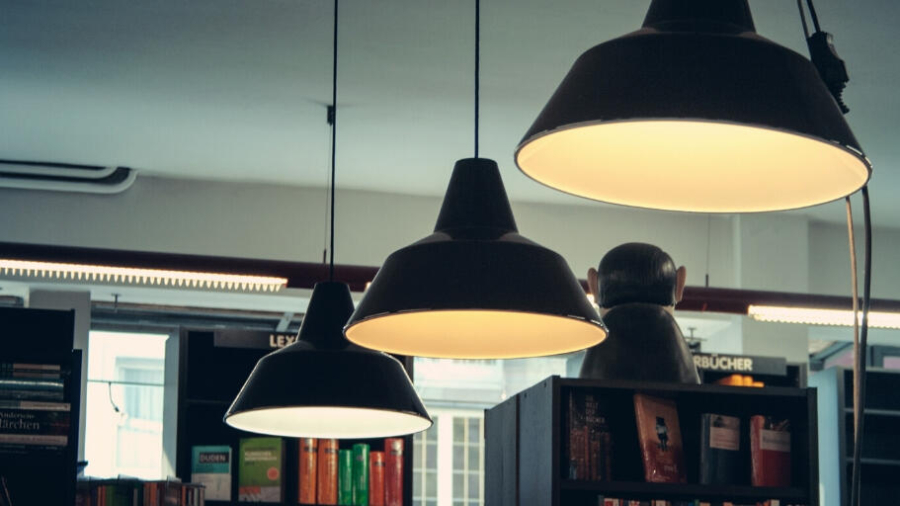
Astound your guests with pendant lighting at home

Astound your guests with pendant lighting

Is your home the centre of all your social and family gatherings? Looking for a new way to astound frequent guests can be a challenge. Luckily, pendant lighting is making a comeback in a totally new way. 

Previously used over our dining tables, pendant lighting is now being utilised for various other reasons throughout our homes. But how else can we use pendant lighting? Well, keep reading to find out more.


Consider your home’s existing design

Planning a lighting design really comes down to if you’re working with an existing room design or starting from scratch. If you’re working with an existing room scape then be sure pendant lighting will work for your theme.

Renovations can incorporate pendant lighting from the offset, you just need to consider where it will work most effectively which we’ll move onto now.


Use focal points 

Knowing which room is the most sociable or has the best features is a great starting point when thinking about where to place your pendant lighting. You may want to set the mood in the living room for a cosy night in with your other half, or you may want kitchen pendant lights where you will serving canapes and prosecco to your many guests.

The choice is yours, but pendant lighting catches the eye so try to choose the optimal space for them to be noticed. 


Little or large pendants?

Sometimes less is more which is certainly the case with pendant lighting.

Although a few little pendants give off a fairy-tale atmosphere, if you’re working with high ceilings in a large space then you may want to opt for one large pendant or a few pendants in parallel alignment.


Mood for every occasion 

Statement lighting can be completely adapted to suit your needs using dimmers. Whether you’re having a cocktail hour, watching the soaps or playing board games, dimmers can make your new pendant lighting work to your schedule.


Height setting

For surfaces, tables, and other frequently used fixtures and fittings, you should work towards a 28-32-inch length. If you choose to place pendant lighting over your kitchen island a good 30 inches of space is recommended between the island the bottom pendant. 


The last leg of the journey

The fun part begins after you have evaluated your space and planned out your lighting scheme. Now you can go ahead an select the style of pendant lighting you wish to use.

Current trends surround vintage pendant lights which incorporate vintage filament lights for a home showroom feel which can be switched up using dimmers to always give your social events the right atmosphere.


Disclosure: this is a collaborative post

what to do about mould in your carpet

What to do if you have mould in your carpets

Mould.  It’s not the most pleasant of topics to talk about, especially in relation to it being in our homes, but it is something that so many people have to deal with at one time or another.

Mould is not only a cosmetic problem that bothers you when you look at it. It can actually cause serious health problems, like asthma or mould allergy.

Inhaling mould spores is extremely dangerous for your health, especially if you are exposed to its influence for a long period of time. However, some people’s reactions are more severe than other’s. 

So, what can you do about it if you find mould in your home?

Removing mould from walls in the house

First, you need to find the cause. Moisture and mould are usually caused by condensation and poor ventilation. In this case, consider buying a dehumidifier or opening your windows more often to better ventilate the area.

However, moisture can also be caused by leaky water pipes, rain that leaks through leaky walls and ceilings, or by flooding.

Finding the cause is the first step to solving the problem with mould inside your home.

Determine the wall areas that are affected with mould. Use a clean rag and wipe the mould with diluted chlorine bleach or mould remover. Preparations that contain bleach are especially useful when dealing with mould.

Follow the instructions for use on the product label and test it on a small area first. And remember to wear your facemask!

Removing mould from carpets in the house

Carpets, affected with mould, should be treated with caution.

You can start with the following basic methods.

These tips are also suitable for textile furniture such as sofas – but make sure that the cleaner does not attack or fade the fabric by trying it on an inconspicuous area first.

  • Examine the carpet: if mould has already reached the back of the carpet, it will take a lot of effort to remove it. You should consider whether you want to use expert steam carpet cleaning services in this case. If mould has already spread over a large part of the back, you may need to replace the carpet.
  • Ventilate the room by opening all the windows and doors in the room with the mouldy carpet. The air circulation favours and reduces the formation of mould and the associated odours. If you plan to use chemical cleaners, good ventilation also reduces the risk of lung and eye irritation. 
  • Find out the cause of the mould or moisture and counteract it.
  • Spray the affected area with the mould remover of your choice.
  • Scrape off any visible mould.
  • Wash the affected area with carpet shampoo and then dry it as well as possible afterwards.

Domestic carpet cleaning with baking soda

Soak up moisture with baking soda.

If it is not just a very small mould problem, it will take a lot of effort to completely remove mould from your carpet. You should generously sprinkle the affected area with baking soda, soak it in overnight and then vacuum it off. 

Effective carpet cleaning with vinegar

Rub the area with vinegar or diluted vinegar essence: vinegar doesn’t kill every mould, but it is an inexpensive and effective remedy. You should pour the clear vinegar into a spray bottle to avoid stains, moisten the area with the vinegar and rub it into the carpet with a hard brush.

Then let the carpet air dry in a well-ventilated area. This prevents moisture from remaining, which could allow the mould to grow again. Some people report that they succeeded with a 1: 1 mixture of vinegar and methylated spirits.

Anti-mould measures

You can either use home carpet cleaning products or professional mould cleaners. However, these can have some side effects, such as the release of harmful substances into the air for a long time.

In addition, many of these products have a bleaching effect – which can severely damage the colours of the carpet.

Vacuum the carpet

This will remove any remaining mould spores so that no new mould can spread. You should only do this if you have a vacuum cleaner equipped with a HEPA filter – otherwise the mould can spread throughout the entire flat! If you don’t have such vacuum cleaner, you should look for expert carpet cleaning services.

How to prevent mould in the house

Now that you know how to remove moisture and mould from your home, you should take precautions to prevent it from coming back.

  1. Ventilate often and for as long as possible.
  2. Look for and seal leaky pipes, walls, or roof areas.
  3. Make sure your gutters are always clear – blocked gutters are a major cause of water damage in and around the house, especially if the overflowing water runs along windows and doors.
  4. Go for professional steam carpet cleaning services. Sometimes the reason mould formation is applying too much water when trying to clean the carpet yourself. If you do not know how to clean your carpet, consult with experts.  
Make the most of spring at home

Making the most of spring in your home

Although it’s always a little bit risky to welcome Spring in the UK, with the realistic possibility that wind and rain will follow before too long, the signs are definitely in evidence. Days are already getting longer, daffodils are appearing in ever greater numbers, and the mercury in the thermometer is edging upwards. 

As light begins to stream through our windows, then, there is no better time to make the most of the extra hours of sunlight by making our homes look all the better – there is a change afoot, and the parts of the house that suit warm light from a bulb don’t always benefit so well from natural light.

As the current situation dictates that we will be spending more of the Spring than usual indoors, now is an excellent time to embark upon making our homes ready for the new season.


It’s a great time to add little accents

Obviously it would get expensive if we were to change out our furniture every time the season changed, so that’s not what we’re going to recommend here. However, adding splashes of colour around the house is an excellent way to make the most out of the additional sunshine.

Getting some new cushions – or brighter covers for the ones you already have – is one way of achieving this, while framed prints of sun-drenched scenery are also a worthwhile step.


Time to brighten up the walls

Spring cleaning is, of course, synonymous with the season, and the longer hours of natural light can show up some of the negative impacts of winter – smudges in the paintwork that weren’t so noticeable when the days were darker can become evident now. As a minimum, it would be wise to wipe the walls down, but it may be an even better idea to repaint (or repaper if you’re feeling ambitious).

Take the chance to preserve the walls for longer, by picking washable paint – and if you’ve got a smoker in the house, persuade them to try a pod kit instead; cigarette smoke discolours walls and ceilings in a surprisingly short time.


Give your windows the chance to shine

The first thing to do with your windows as Spring dawns on us is very simple – wash them inside and out. Winter brings rain, rain brings splashes, and the accumulation of smudges can go unnoticed until the seasons change, but it will be inescapable by April, so take the chance to clean those windows.

Once that’s done, give them centre stage in your home; the additional light will draw attention to where it’s coming from, so add colourful blinds or light curtains (or both) and enjoy the fresh feeling it brings to the home.


The undeniable benefit of Spring is that it brings a bit more brightness to everything, and with a few simple steps you can make the most of that change to get an extra lease of life in your home. The above additions, and others, will give your home that added dynamism that comes from the season.


Disclosure: this is a collaborative post