
Mould. It’s not the most pleasant of topics to talk about, especially in relation to it being in our homes, but it is something that so many people have to deal with at one time or another.
Mould is not only a cosmetic problem that bothers you when you look at it. It can actually cause serious health problems, like asthma or mould allergy.
Inhaling mould spores is extremely dangerous for your health, especially if you are exposed to its influence for a long period of time. However, some people’s reactions are more severe than other’s.
So, what can you do about it if you find mould in your home?

Removing mould from walls in the house
First, you need to find the cause. Moisture and mould are usually caused by condensation and poor ventilation. In this case, consider buying a dehumidifier or opening your windows more often to better ventilate the area.
However, moisture can also be caused by leaky water pipes, rain that leaks through leaky walls and ceilings, or by flooding.
Finding the cause is the first step to solving the problem with mould inside your home.
Determine the wall areas that are affected with mould. Use a clean rag and wipe the mould with diluted chlorine bleach or mould remover. Preparations that contain bleach are especially useful when dealing with mould.
Follow the instructions for use on the product label and test it on a small area first. And remember to wear your facemask!
Removing mould from carpets in the house
Carpets, affected with mould, should be treated with caution.
You can start with the following basic methods.
These tips are also suitable for textile furniture such as sofas – but make sure that the cleaner does not attack or fade the fabric by trying it on an inconspicuous area first.
- Examine the carpet: if mould has already reached the back of the carpet, it will take a lot of effort to remove it. You should consider whether you want to use expert steam carpet cleaning services in this case. If mould has already spread over a large part of the back, you may need to replace the carpet.
- Ventilate the room by opening all the windows and doors in the room with the mouldy carpet. The air circulation favours and reduces the formation of mould and the associated odours. If you plan to use chemical cleaners, good ventilation also reduces the risk of lung and eye irritation.
- Find out the cause of the mould or moisture and counteract it.
- Spray the affected area with the mould remover of your choice.
- Scrape off any visible mould.
- Wash the affected area with carpet shampoo and then dry it as well as possible afterwards.
Domestic carpet cleaning with baking soda
Soak up moisture with baking soda.
If it is not just a very small mould problem, it will take a lot of effort to completely remove mould from your carpet. You should generously sprinkle the affected area with baking soda, soak it in overnight and then vacuum it off.
Effective carpet cleaning with vinegar
Rub the area with vinegar or diluted vinegar essence: vinegar doesn’t kill every mould, but it is an inexpensive and effective remedy. You should pour the clear vinegar into a spray bottle to avoid stains, moisten the area with the vinegar and rub it into the carpet with a hard brush.
Then let the carpet air dry in a well-ventilated area. This prevents moisture from remaining, which could allow the mould to grow again. Some people report that they succeeded with a 1: 1 mixture of vinegar and methylated spirits.
Anti-mould measures
You can either use home carpet cleaning products or professional mould cleaners. However, these can have some side effects, such as the release of harmful substances into the air for a long time.
In addition, many of these products have a bleaching effect – which can severely damage the colours of the carpet.
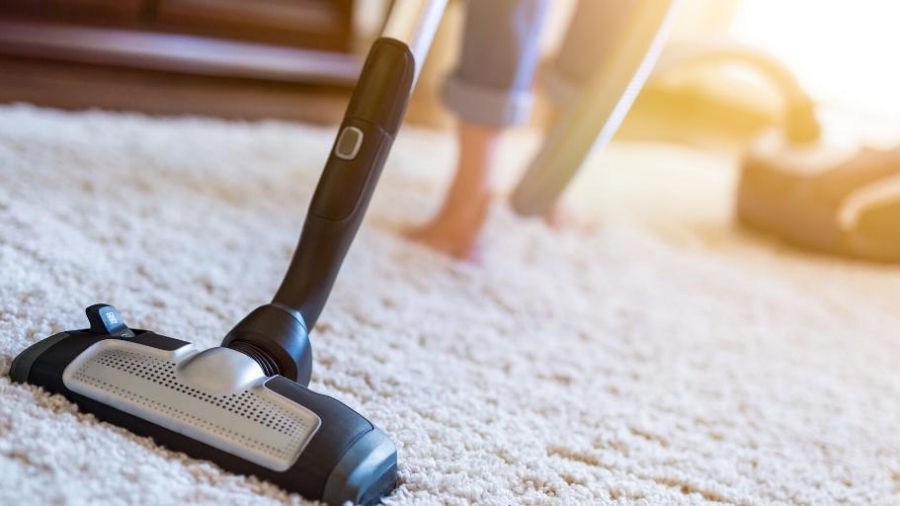
Vacuum the carpet
This will remove any remaining mould spores so that no new mould can spread. You should only do this if you have a vacuum cleaner equipped with a HEPA filter – otherwise the mould can spread throughout the entire flat! If you don’t have such vacuum cleaner, you should look for expert carpet cleaning services.
How to prevent mould in the house
Now that you know how to remove moisture and mould from your home, you should take precautions to prevent it from coming back.
- Ventilate often and for as long as possible.
- Look for and seal leaky pipes, walls, or roof areas.
- Make sure your gutters are always clear – blocked gutters are a major cause of water damage in and around the house, especially if the overflowing water runs along windows and doors.
- Go for professional steam carpet cleaning services. Sometimes the reason mould formation is applying too much water when trying to clean the carpet yourself. If you do not know how to clean your carpet, consult with experts.