Sports are an excellent way to get your kids fit and active, but it can be challenging to get them to commit to regular exercise. If you want to get your kids into sports, here are a few ways you can encourage them.
Tap into school sport & community momentum
Most schools are just as eager to get your child active as you are. The government is also trying to help, with the new School Sport Partnerships and the continuation of Primary PE and Sport. For this reason, there are a wealth of initiatives designed to get them invested and having fun in a range of sports.
The specific sports offered may vary depending on the school, but they can include a range of activities such as football, cricket, swimming, and cycling. If your child doesn’t seem interested in a particular sport, get them to try all the options. They can then make the decision depending on what appeals to them.
Start with what they love
One of the best ways to encourage a child to partake in sport is by linking it to their interests. Some children might like football or rugby, while others prefer tennis or swimming. No matter what activity your child likes, encouraging their interests is a key method to developing a lifelong interest in their chosen activity.
For example, if your child is an avid Liverpool supporter, then consider getting them a Liverpool home kit for their football practice. These personal touches can further foster enthusiasm in the sport.
Highlight the health and well-being wins
Depending on your child’s age, there are different ways to highlight the health and well-being benefits of exercise. For example, some children may want to be strong like the Power Rangers or a Marvel superhero.
Alternatively, there might be role models in their chosen sport that they want to emulate. Encouraging this is a great way to give them long-term, internal motivation.
Explore emerging & inclusive sports
There are many sports with limited recognition that might be perfectly suited to your child, such as cheerleading or skateboarding. While these alternative options offer a different form of exercise, they can give your child something more suited to their personalities, rather than taking part in more common options.
By encouraging them to explore different options, you’re also helping them to try new things and develop their curiosity.
Cost, confidence, & access
Of course, trying multiple different sports can be expensive, but there are ways to make it more affordable. For instance, many sports clubs offer free trials. These are perfect opportunities for your child to explore the sport for themselves and see if they enjoy it.
When your child has found a sport and club they like, you might be able to reduce your costs by volunteering. Not only does this show your child that you’re willing to take an interest in what they like, but it can also make club memberships much more affordable.
The internet is rife with TikTok charlatans telling you to completely change everything about yourself to grow and be happy and accepted, but the truth is, becoming the best version of yourself isn’t about dramatic transformations. It’s about steady, small, intentional changes that add up to a big overall change.
From mental health to finances, each area of life is connected. Strengthen the foundation, and everything else becomes easier to build.
Building a Strong Foundation
Mental health underpins everything. When your mind is overwhelmed or burnt out, personal progress stalls.
Start by managing stress before it manages you. Create daily check-ins, whether that’s five minutes of deep breathing, a walk without your phone, or simply noticing how you’re feeling. Apps like Headspace or Calm can help build a healthy mindfulness habit.
If things feel heavy or out of control, don’t go it alone. Speaking to a GP or accessing local or online support is a strong first step.
Remember that consistency matters more than intensity. Start small, be honest with yourself, and build from there.
Nurturing Your Body
Physical health and weight management fuels everything from focus and mood to motivation. It’s not about extreme routines but sustaining sustainable habits.
Exercise: Aim for 30 minutes a day. That could be walking, home workouts, or group classes. The goal is movement, not perfection.
Nutrition: Focus on balance. Add more whole foods (veg, grains, proteins) before starting to cut things out. Because cutting too much too soon can be incredibly damaging.
Sleep: Adults need at least 7 hours a night. Build up a wind-down routine, reduce late-night screen time, and stick to a sleep schedule when you can.
Achieving Stability and Security
Financial stress can affect sleep, relationships, and health so reducing it even a little makes a real difference. Financial wellbeing is about control, not just income. When you feel financially stable, everything else feels more manageable.
Start with budgeting: Use apps or spreadsheets to track spending. Clarity is power.
Prioritise saving: Even small amounts create breathing room and reduce stress.
Learn the basics: From pensions to credit scores, financial literacy helps you make confident decisions.
Cultivating Healthy Relationships and Self-Awareness
Emotional health is about understanding yourself and relating well to others. That starts with self-awareness: knowing your triggers, your values, and your boundaries.
Resilience grows when you reflect, not just react. Journaling, talking with trusted friends, or therapy can help you build emotional clarity and cope with setbacks.
Healthy relationships are built slowly and with great effort. Communicate openly. Set clear boundaries and prioritise spending time with people who energise you, not drain you.
Final Thoughts
Personal growth is more of a marathon than a race and it’s one few of us will ever finish. But that’s OK! Whether it means working on weight management, building your savings sensibly, or deepening your emotional insights and how you interact with those around you, progress looks different for everyone, and it never comes right away.
Start where you are, take one step at a time, and keep coming back to what matters most to you. Because becoming your best self isn’t about chasing someone else’s version of success. It’s about creating your own.
It always starts the same way. A little sniffle, a scratchy throat, maybe a sneeze or two. Before you know it, the whole house is passing tissues like a game of hot potato. Cold and flu season doesn’t just bring discomfort. It disrupts routines, derails plans, and makes even the simplest tasks feel exhausting.
The worst part? Germs spread faster than we think. Schools, offices, grocery carts, and even that cozy blanket on the couch—viruses linger everywhere. But instead of just bracing for impact, there’s a better way to fight back.
Curious to know what these are? Stick around. In this article, we’ll explain the easiest ways to keep everyone healthy this season.
1. Practicing Smart Hygiene Habits
Washing hands isn’t just for kids—it’s one of the best ways to stop germs from spreading. But here’s the problem: most people don’t wash long enough. A quick rinse isn’t enough.
Handwashing should last at least 20 seconds—the time it takes to hum “Happy Birthday” twice to work properly. And don’t forget often-missed spots like fingertips, thumbs, and between fingers.
In addition, these simple habits can help keep germs away:
Avoid touching your face, especially your eyes, nose, and mouth.
Carry hand sanitizer for times when soap isn’t available.
Use your elbow or a tissue to push doors open instead of your hands.
But hygiene doesn’t stop at clean hands. Germs also enter through the nose, making nasal care just as important—yet it’s often overlooked. Think about it: you wash your hands after touching shared surfaces, but what about all the airborne particles you breathe in?
That’s where a quick step like the nowonder nasal cleanser comes in. It helps clear unwanted particles before they hurt, supporting easier breathing and overall well-being. Just be sure to choose a high-quality option to ensure a comfortable and refreshing experience.
2. Eating the Right Nutrients for a Stronger Immune System
Food plays a huge role in keeping the body strong. A well-balanced diet loaded with vitamins and minerals can help fight off infections before they take hold.
Vitamin C from oranges, bell peppers, and strawberries helps boost immunity.
Vitamin D from eggs, mushrooms, and fortified milk supports the body’s ability to fight infections.
Zinc in nuts, seeds, and lentils plays a key role in immune function.
Probiotics in yogurt and fermented foods help maintain gut health, which is closely linked to overall immunity.
Bonus Tip: Keep a colorful mix of fruits and veggies in meals. The more variety, the better!
3. Keeping Indoor Air Clean and Fresh
Cold weather forces most people indoors, but did you know that stale air can make illnesses spread faster? Viruses linger in poorly ventilated spaces, making it easier for germs to jump from one person to another.
Simple ways to improve indoor air quality:
Open windows for a few minutes daily to let fresh air in.
Use a humidifier to keep air moisture balanced, preventing dry sinuses.
Disinfect surfaces like doorknobs, remote controls, and kitchen counters regularly.
These small changes can make a big difference in preventing seasonal sickness.
4. Prioritising Sleep and Stress Management
Lack of sleep weakens the immune system, making it easier to catch infections. The body repairs and strengthens itself during deep sleep, so getting enough rest is crucial.
Use these tips to improve sleep quality:
Stick to a consistent bedtime routine, even on weekends.
Limit screen time before bed to avoid blue light disrupting melatonin production.
Keep bedrooms cool, dark, and quiet for restful sleep.
Stress also plays a major role in immune function. When the body is stressed, it releases cortisol, which can lower defenses against illnesses. Practicing deep breathing, meditation, or even short daily walks can help keep stress levels in check.
5. Staying Prepared When Going Out
Public places are full of hidden germs—from shopping carts to elevator buttons. While avoiding crowds completely isn’t realistic, taking small precautions can reduce exposure.
Layer up properly in cold weather to prevent temperature shock.
Carry a small hygiene kit with tissues, sanitizer, and disinfectant wipes.
Avoid sharing drinks or utensils, even within the family.
Being mindful of your surroundings and practicing good hygiene outside the home makes a big difference in staying healthy.
Final Thoughts
Cold and flu season doesn’t have to be a time of constant illness. Simple daily habits like maintaining good hygiene, eating nutritious foods, and keeping the home environment clean can go a long way in keeping your family healthy.
By taking small, consistent steps, you can boost immunity, reduce germ exposure, and feel more confident during flu season.
If you’re looking for a Christmas present for the lover of all things cosy in your life then I’ve found just what you need.
Any of these 6 candles from Etsy would make the perfect gift for your best friend, partner, parent, or anyone else you know who just loves staying in and cwtching up with a gorgeously scented candle burning in the background.
They all ship from the UK from small businesses so you also get that little glow from knowing you’re supporting someone’s dreams when you buy from them!
Warm Gingerbread Candle
Gingerbread is one of my favourite smells at this time of year, so this warm gingerbread candle from YRcandles would be perfect to pop on the mantelpiece.
It’s made with natural wax and comes in 2 sizes, with prices starting from £8.99 for the smaller option.
Butter Croissant Candle
Sticking with the foody theme, I just love the sound of this buttery croissant candle from WickGuruCandles.
It has notes of milk, butter, and vanilla, and smells like you’ve got a batch of croissants warming in the oven.
The 90g tin costs £16 and has a burn time of 20-25 hours, and the 165g glass version has a burn time of 40-45 hours and costs £30
Mindful Moments Candle Set
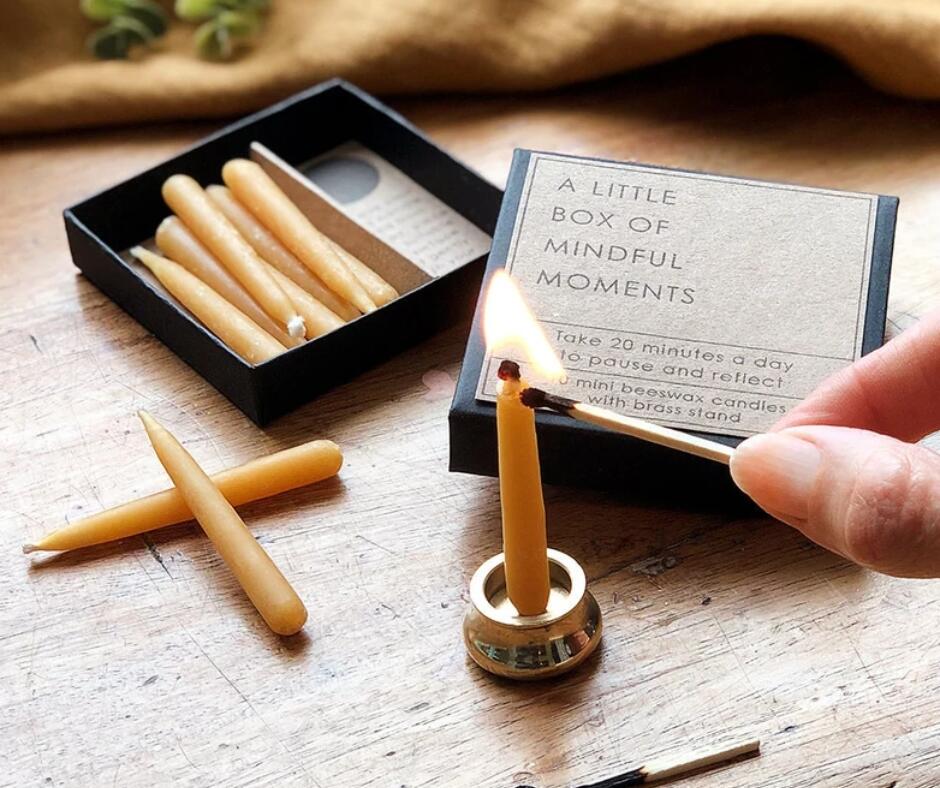
If you have someone in your life who loves to meditate and practices mindfulness then this mini mindful moments candle set would make a fantastic present.
The set comes with 10 handmade honey-scented mini candles and a brass stand in a sweet little presentation box for £18.50. You can also then add in more candles if you think the first 10 will be used up quite quickly.
Cornish Candle Gift Box
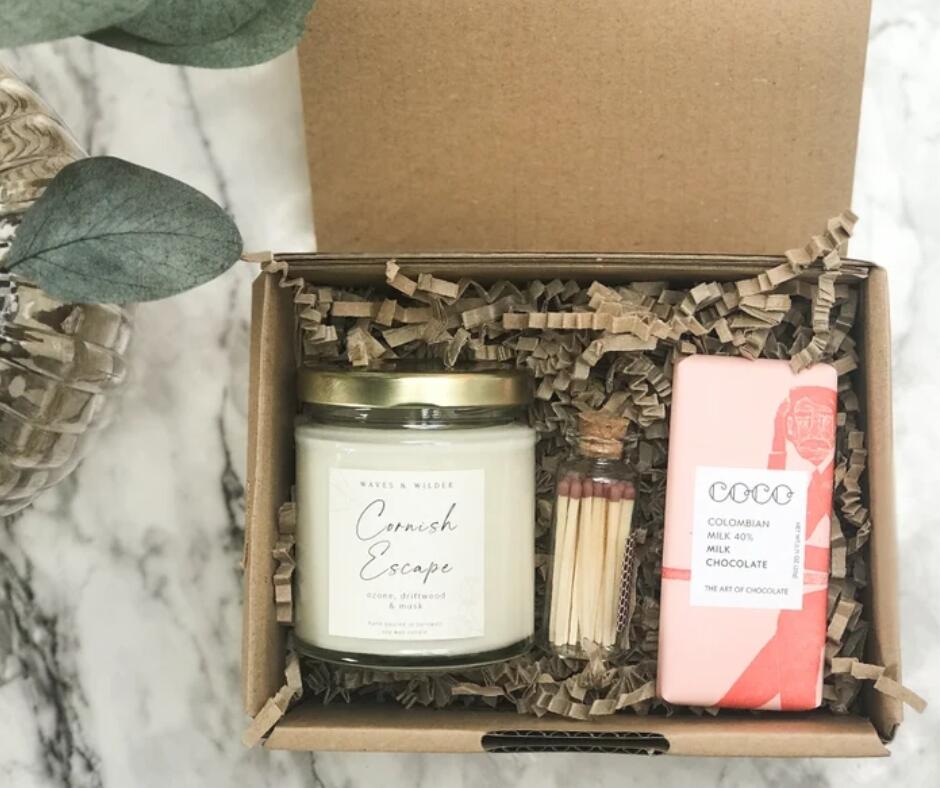
Another gorgeous little gift set, this Cornish Candle gift box from WavesAndWilder comes with a soy wax candle, a mini bar of chocolate, and a glass jar of matches.
You can choose from a range of scents for the candle, including Hidden Beaches, Beach Coffee, and Cornish Christmas, so you can really easily give this set to a few different people and personalise it to everyone’s personal tastes.
The set costs £13.95 and comes neatly packed in an eco-friendly box.
Scottish Rain Candle
You know that smell that you get when it rains? Well this Scottish Rain candle from TartanAntler has been designed to be just like that.
The perfect gift for petrichor lovers, it comes in 2 sizes and costs £8.99 for the smaller option and £19.99 for the bigger jar.
Old Bookshop Candle
For the person in your life who loves nothing more than wandering round old bookshops, this Old Bookshop candle from CosyArtLondon would be perfect.
It’s made with soy wax and has notes of grated ginger, vanilla sugar, woods, and tobacco leaf, to evoke that feeling of an old library full of books with aged pages and leather covers.
Prices start from just £3.99 for a pack of wax melts, and go up to £29.99 for a 500ml amber jar candle.
So there you have it. 6 gorgeous candles to create the perfect cosy atmosphere at home that would make amazing gifts for so many different people this Christmas.
If you want a bit more inspiration though you absolutely have to check out Etsy’s Holiday Hub that’s packed with fantastic present ideas from candles and mugs to jewellery and clothing.
When it comes to taking care of our oral health one of the best things we can do is floss regularly. Making flossing part of your daily dental routine can help get rid of plaque, reduce the risk of cavities, help prevent gum disease, and keep your breath smelling fresh.
In an article all about flossing dos and don’ts DenTek reveal that dentists generally recommend that you floss first, to loosen the bits of food and plaque around your teeth. Then you can brush and rinse to properly remove all that nastiness.
For a lot of people good old standard dental floss is the best tool to use to get in between your teeth and up to the gum line, but if that’s just not your thing then there are some great alternatives that are really effective at keeping your mouth fresh and clean.
1. Floss picks
These little tools are basically a mix of floss and a dental pick, so you get the benefits of two tools in one. At one end is a pick that you can use to remove bits of food that you can see stuck between your teeth, and at the other end is a taut bit of floss that’s often easier to use than a loose piece wrapped around your fingers.
2. Interdental brushes
These brushes come in a range of sizes and are made with bendable wire and bristles to really get in there between your teeth.
3. Water flossers
There’s a good chance you’ve seen these while scrolling on social media over the last few months, with people raving about easy they make the whole flossing process. They direct a pretty powerful stream of water between your teeth to remove bits of food and plaque, rinsing it all straight out of your mouth as you go.
So that’s 3 great alternatives to traditional floss that you might want to consider to step up your dental care routine.
But what about what you shouldn’t do?
It might seem obvious that you should only use things that are actually designed for the purpose to clean your teeth, but that hasn’t stopped people from getting creative when they’ve found themselves out of floss.
The survey reported by DenTek found that there’s a whole range of things that people have reached for in the past when they’re in a jam and need to get something out of their teeth. Have you ever been tempted to try any of these?!
Fingernails
Folded paper or card
Thread or string
Cutlery
Paper clip
Safety pin
Earring back
Strands of hair
There might have been one or two times in my teens when I resorted to a folded piece of paper to get some stuck apple skin out from between my front teeth, but I can’t say I’ve ever tried any of the other things on this list.
And honestly, the idea of using anything metal like a paper clip or a safety pin just sets my teeth on edge!
The DenTek report points out that the main problem with most of these floss alternatives is the risk of damage to the gums and the potential for infection from harmful bacteria. So while it might seem like a good quick fix, it’s just not worth it in the long run.
Your best bet is to keep your bathroom cabinet well stocked with floss and stash some interdental brushes or dental picks in your handbag if you’re heading out for a meal. That way you never have to MacGyver your way out of a food-stuck-in-teeth situation!
If you’re feeling a bit stuck in a rut and like your creativity has left the building then here are 7 ways you can find your inspiration again and make the most of the arrival of autumn.
1. Spend time in nature
Take a break from your desk and go out for an autumnal walk. Take your time and really take in all the colours, textures, and sounds of the season.
If you want to take things up a notch then turn it into a photo walk and take pictures of all the autumny things you see while you’re out.
2. Venture outside your usual genre
If you tend to listen to the same kinds of music, read the same kinds of books, and watch the same kinds of TV programmes, then this autumn try branching out to something different.
Not normally a horror fan? Then give a psychological thriller a try. Or if you normally watch dramas then try some seasonal light entertainment instead, like Strictly.
Exposing yourself to new kinds of content can really help you get a fresh perspective on things and bring your creativity back to life.
3. Use the colour blue
A bit of a random one, but according to colour psychology blue isn’t just a calming colour but it also help to stimulate creative thinking.
So try putting on your favourite blue top, heading out for a walk on a crisp autumn day with clear blue skies, or drinking your morning coffee from a blue mug.
4. Go back to basics
Your creativity might be feeling blocked because you’re overthinking things. So go back to basics and remember what you liked to do as a child.
Grab some colouring books and pencils and just have fun colouring in.
Join in with your kids when they play with lego or play dough. Don’t worry about making anything amazing, just have fun creating.
5. Spend time with creative people
Arrange an autumn coffee date with a creative friend and chat with them over a pumpkin spice latte about what they’re up to and what they do when they feel like they’re in a rut.
If you don’t know anyone particularly creative then see if there’s somewhere locally you could meet some new people. There might be a crafting group at your local library, or an event at an art museum where you could find creative people to spend time with.
You can also try listening to podcasts created by artists or photographers, or follow these kinds of people on social media to be inspired by their work and their creative processes.
6. Try a new seasonal craft
A great way to feel inspired again is to try your hand at something new. So think about taking an autumn wreath-making class or learning to crochet so you can make a blanket or some cute crocheted pumpkins.
Or keep things simple and create a colourful page of leaf rubbings – this is a great one to do with your children too.
7. Bake a new seasonal recipe
Another great way to get out of a creative rut is by finding a new autumn recipe to try. And switch up your cooking style too. So if you normally prefer to bake, then try cooking a warming stew.
Not normally a baker? Then get inspired by Bake Off being back on and try making some cakes or biscuits with seasonal spices like cinnamon, ginger, and mixed spice.
At a certain age, children may begin to act out. As they pass their major milestones, through toddlerhood, teenage and more, they go through many phases and discover more of their personalities. Children are exposed to new experiences, whether it’s educational demands or how they perceive things inside and outside their homes. Many kids find it difficult to cope with these changes, and that’s perfectly normal.
Some children struggle more than others, which can have a negative impact on their emotional, mental, and physical health, as well as their performance in educational, extracurricular, and social settings. As a parent, if you notice the phases of anxiety, poor self-esteem, isolation, or violence lasting for a longer duration, you may need to consider professional intervention.
Whether you need child therapy in Ottershaw or Northampton, a quick online search will lead you to a professional who can help.
How Can Therapy Help Children?
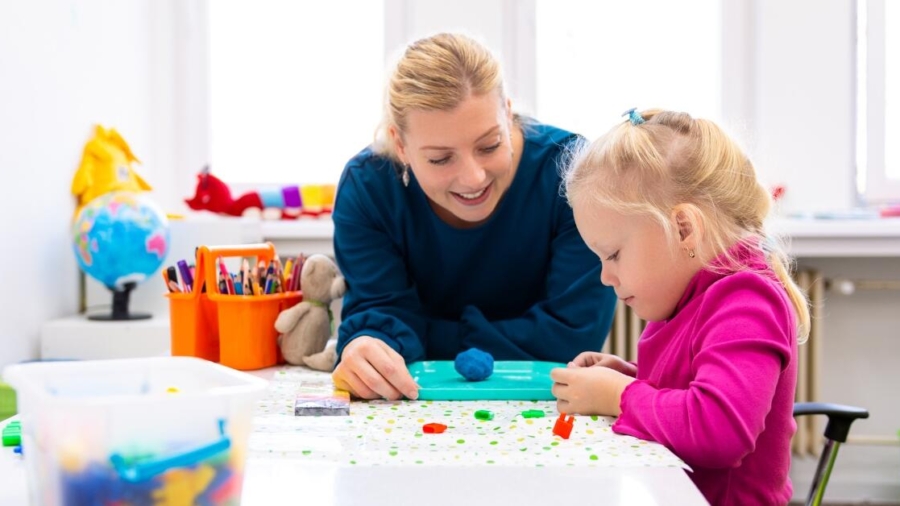
Therapists are professionals who can help children manoeuvre difficult times like family issues, problems at school, health issues and more. Children dealing with ADHD, eating disorders, or trauma-related conditions can cope with their issues better with professional help.
Therapists also help both older and younger children to better deal with their emotions like anger, grief, or stress. Children who receive therapy are able to better control their emotions, deal with stress, change, and expectations, and develop into healthy, balanced adults.
Here are some issues children go through that therapy can help with.
1. Anxiety
It is perfectly normal for children to feel anxious about an upcoming examination or a cricket tryout. However, you should be concerned if your child is crying uncontrollably, avoids certain places or activities, and is constantly on edge.
Anxiety can make children feel exhausted due to poor sleep patterns, which may further cause them to experience physical symptoms like recurring headaches, fever, and irritability.
To deal with this, therapists may use interventions like CBT (cognitive behavioural therapy) for older children or play therapy for the younger ones. Anxiety can impact a child’s performance at school along with their ability to make friends. Working with a therapist can help children understand and cope with their feelings of anxiety better.
2. Difficulty Sleeping
Sleep is essential for children, as it aids in their physical and mental development. Sleep deprivation can bring on a range of different issues for children, like difficulty focusing in school, memory loss, health problems, and more.
While not being able to sleep once in a while is common, if your child is not able to sleep at night over a period of time, it can be cause for concern.
Sleep disturbances in children may be caused by peer pressure, studies, depression, or even trauma. Sometimes, excessive sleeping can also be a sign of a psychological issue.
A therapist can understand the root cause of the problem and address it effectively. This can help children feel more secure and thrive better in academics and recreational activities.
3. Isolation and Social Withdrawal
Is your child exhibiting signs of social withdrawal? Do they seem uninterested in playing with peers, spend excessive time alone, or have few friends at school or in the neighborhood? These behaviours may indicate underlying social anxiety or depression.
Bullying and peer pressure can also contribute to social withdrawal in children and adolescents. Fear of sharing these experiences with adults can lead to isolation and emotional distress. A therapist can offer a safe and supportive space for children to express their feelings, build self-confidence, and develop coping mechanisms.
Through therapy, children can learn to better understand their emotions, interpret social cues, and improve their communication skills. These skills are essential for navigating social situations and forming healthy relationships. By addressing the root causes of social withdrawal, therapy can help children to overcome their challenges and build a more fulfilling social life.
4. Grief or Trauma
Children experience grief and sadness, but unlike adults, they are often not able to express it properly. This is especially true for children whose parents are divorcing or separated, or who have a parent who is terminally ill or has passed away.
Dealing with the loss of family or even a pet can be emotionally taxing. It can manifest in many different ways, like bedwetting (for younger children), eating and sleeping disorders, social isolation, depression and anxiety.
Children who have undergone emotional trauma need counselling. Counselling and therapy enables them to better process their emotions and deal with the change.
5. Communication Problems
Children experiencing delayed speech or stammering may be facing communication challenges that require professional attention. These difficulties can sometimes be a sign of underlying conditions, such as autism spectrum disorder.
It is important to consult with a licensed therapist in order to accurately diagnose the underlying cause of these speech-related problems. A professional can assess your child’s communication skills and develop a tailored treatment plan to address their specific needs.
Early intervention is key in empowering children to overcome speech challenges. With therapy, children can develop the necessary skills to improve their communication abilities and build confidence. This can have a positive impact on their overall development and well-being.
Summary
As parents, if you notice anything out-of-the-ordinary in your child’s behaviour for an extended period, you must immediately seek professional help. Therapy enables children to become well-rounded adults who are more confident, in control of their emotions, and adept at communication.