
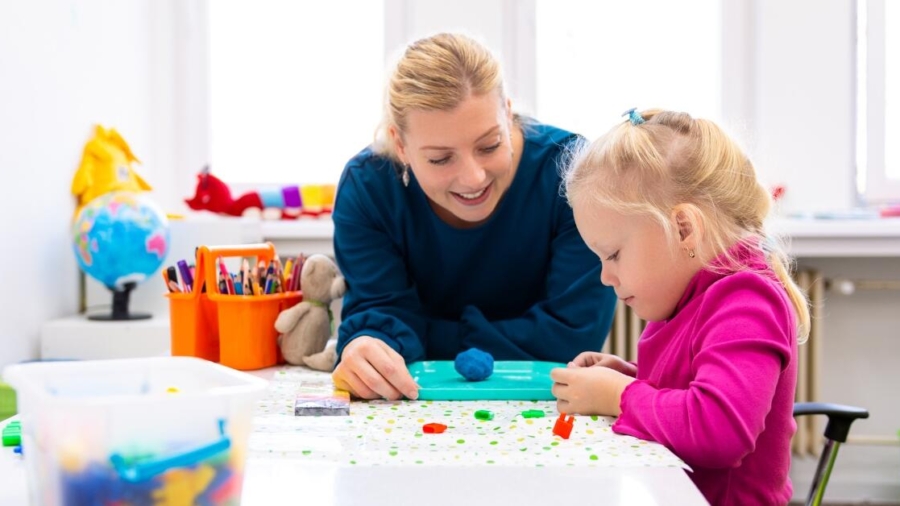
At a certain age, children may begin to act out. As they pass their major milestones, through toddlerhood, teenage and more, they go through many phases and discover more of their personalities. Children are exposed to new experiences, whether it’s educational demands or how they perceive things inside and outside their homes. Many kids find it difficult to cope with these changes, and that’s perfectly normal.
Some children struggle more than others, which can have a negative impact on their emotional, mental, and physical health, as well as their performance in educational, extracurricular, and social settings. As a parent, if you notice the phases of anxiety, poor self-esteem, isolation, or violence lasting for a longer duration, you may need to consider professional intervention.
Whether you need child therapy in Ottershaw or Northampton, a quick online search will lead you to a professional who can help.
How Can Therapy Help Children?
Therapists are professionals who can help children manoeuvre difficult times like family issues, problems at school, health issues and more. Children dealing with ADHD, eating disorders, or trauma-related conditions can cope with their issues better with professional help.
Therapists also help both older and younger children to better deal with their emotions like anger, grief, or stress. Children who receive therapy are able to better control their emotions, deal with stress, change, and expectations, and develop into healthy, balanced adults.
Here are some issues children go through that therapy can help with.
1. Anxiety
It is perfectly normal for children to feel anxious about an upcoming examination or a cricket tryout. However, you should be concerned if your child is crying uncontrollably, avoids certain places or activities, and is constantly on edge.
Anxiety can make children feel exhausted due to poor sleep patterns, which may further cause them to experience physical symptoms like recurring headaches, fever, and irritability.
To deal with this, therapists may use interventions like CBT (cognitive behavioural therapy) for older children or play therapy for the younger ones. Anxiety can impact a child’s performance at school along with their ability to make friends. Working with a therapist can help children understand and cope with their feelings of anxiety better.
2. Difficulty Sleeping
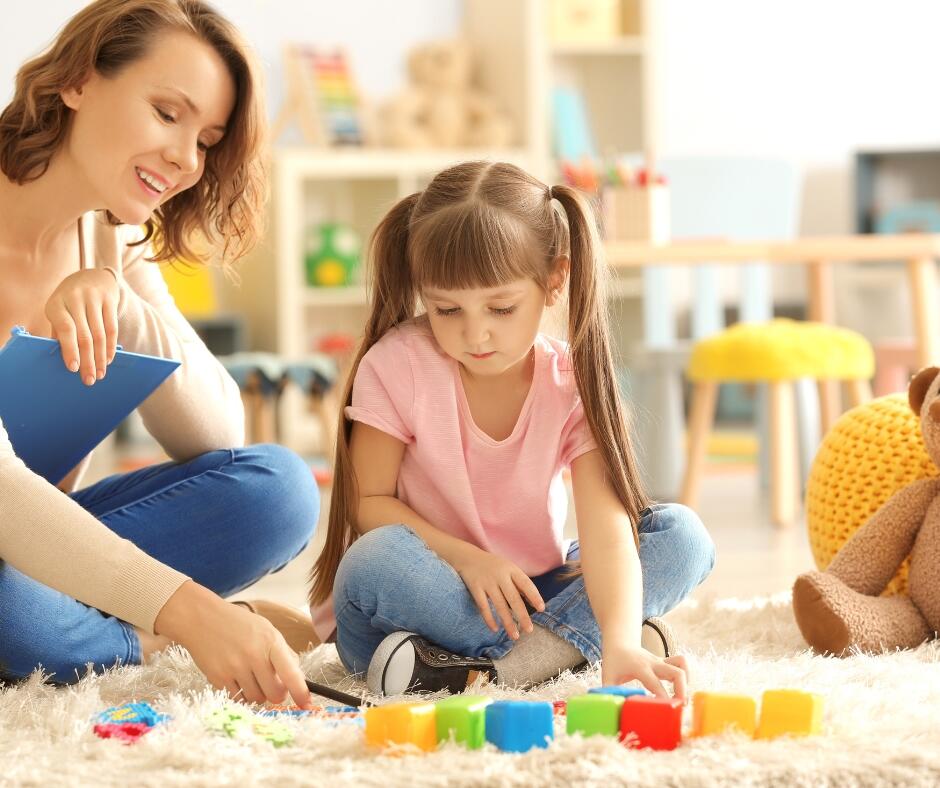
Sleep is essential for children, as it aids in their physical and mental development. Sleep deprivation can bring on a range of different issues for children, like difficulty focusing in school, memory loss, health problems, and more.
While not being able to sleep once in a while is common, if your child is not able to sleep at night over a period of time, it can be cause for concern.
Sleep disturbances in children may be caused by peer pressure, studies, depression, or even trauma. Sometimes, excessive sleeping can also be a sign of a psychological issue.
A therapist can understand the root cause of the problem and address it effectively. This can help children feel more secure and thrive better in academics and recreational activities.
3. Isolation and Social Withdrawal
Is your child exhibiting signs of social withdrawal? Do they seem uninterested in playing with peers, spend excessive time alone, or have few friends at school or in the neighborhood? These behaviours may indicate underlying social anxiety or depression.
Bullying and peer pressure can also contribute to social withdrawal in children and adolescents. Fear of sharing these experiences with adults can lead to isolation and emotional distress. A therapist can offer a safe and supportive space for children to express their feelings, build self-confidence, and develop coping mechanisms.
Through therapy, children can learn to better understand their emotions, interpret social cues, and improve their communication skills. These skills are essential for navigating social situations and forming healthy relationships. By addressing the root causes of social withdrawal, therapy can help children to overcome their challenges and build a more fulfilling social life.
4. Grief or Trauma
Children experience grief and sadness, but unlike adults, they are often not able to express it properly. This is especially true for children whose parents are divorcing or separated, or who have a parent who is terminally ill or has passed away.
Dealing with the loss of family or even a pet can be emotionally taxing. It can manifest in many different ways, like bedwetting (for younger children), eating and sleeping disorders, social isolation, depression and anxiety.
Children who have undergone emotional trauma need counselling. Counselling and therapy enables them to better process their emotions and deal with the change.
5. Communication Problems
Children experiencing delayed speech or stammering may be facing communication challenges that require professional attention. These difficulties can sometimes be a sign of underlying conditions, such as autism spectrum disorder.
It is important to consult with a licensed therapist in order to accurately diagnose the underlying cause of these speech-related problems. A professional can assess your child’s communication skills and develop a tailored treatment plan to address their specific needs.
Early intervention is key in empowering children to overcome speech challenges. With therapy, children can develop the necessary skills to improve their communication abilities and build confidence. This can have a positive impact on their overall development and well-being.
Summary
As parents, if you notice anything out-of-the-ordinary in your child’s behaviour for an extended period, you must immediately seek professional help. Therapy enables children to become well-rounded adults who are more confident, in control of their emotions, and adept at communication.
Disclosure: this is a collaborative post