hair removal

The Real Cost of Shaving Over a Lifetime

Most people rarely question the role shaving plays in their daily routine. A few minutes each morning or evening often feels insignificant in isolation. Over time, however, the repetition becomes more noticeable. Razor burn, ingrown hairs and the regular need to replace blades can gradually turn a simple habit into a persistent inconvenience.

As work schedules and social commitments become more demanding, many individuals begin to reconsider whether traditional grooming methods still suit modern lifestyles.

This growing awareness reflects a broader shift towards practical, long-term personal care decisions. Conversations around comfort, efficiency and sustainability now influence how people manage everyday routines.

As expectations evolve, interest in long-term hair reduction options is becoming increasingly visible in discussions about simplifying grooming habits, particularly in large cities where time pressures shape many lifestyle choices.

Breaking Down the Annual Cost of Shaving Supplies

At first glance, shaving products appear relatively affordable. A razor purchased during a routine supermarket visit rarely attracts much attention. However, maintaining consistent grooming standards requires regular replacement of blades and additional products. Over the course of a year, these routine purchases can accumulate into a noticeable household expense for both men and women.

In the UK, cartridge razor systems commonly cost between £10 and £15. Replacement blade packs vary widely in price depending on brand and availability, with many shoppers spending notable sums annually on refills alone. Added to this are shaving foams or gels, typically priced between £3 and £5, which require frequent repurchase. Post-shave skincare products, including soothing lotions or moisturisers, can further increase total yearly spending.

Although these costs appear minor when viewed individually, their cumulative effect over time can alter personal budgeting priorities. Small, recurring payments gradually build into a consistent financial commitment that often goes unrecognised. At this stage, some consumers begin comparing ongoing spending patterns with clinically delivered precision laser hair removal treatments, which are structured to reduce repeated product purchases over the long term.

Calculating Lifetime Expenditure on Traditional Hair Removal

Shaving habits commonly begin during adolescence and continue for decades. This prolonged period of regular purchasing leads to substantial lifetime expenditure on grooming products. Inflation adds further complexity, as the price of personal care items tends to rise steadily alongside other consumer goods. Consequently, the real cost of shaving over a lifetime often exceeds early expectations.

Regional pricing differences also influence total spending. Individuals living in larger cities frequently encounter higher retail prices for personal care products compared with shoppers in smaller towns. In major urban areas where grooming trends evolve more quickly, awareness of laser hair removal London services has increased alongside broader lifestyle shifts towards time-efficient routines. These regional variations, when repeated over many years, can contribute to noticeable differences in overall grooming expenditure.

Lifestyle habits also affect long-term costs. People who participate in sport regularly, travel frequently or maintain specific appearance standards often replace blades more often than occasional shavers. The combination of increased usage and higher urban retail pricing can accelerate cumulative spending. As these factors become more visible, some individuals reassess whether traditional grooming routines remain the most practical option for their circumstances.

Time Investment Beyond the Financial Burden

Financial considerations represent only one aspect of the long-term impact of shaving routines. Time commitment also plays a significant role in how individuals evaluate their personal care habits. A daily grooming session lasting just a few minutes can appear negligible. When repeated consistently over several decades, however, the total time invested becomes substantial.

Frequent shavers may dedicate several hours each month to maintaining their preferred grooming standards. Factors such as hair texture, skin sensitivity and personal expectations all influence the duration and frequency of shaving sessions. Over time, these routines can shape how individuals organise daily schedules and manage personal priorities, reflecting broader behavioural patterns highlighted in recent UK digital lifestyle trends.

Structured laser hair removal programmes present a contrasting timeline. A typical course of laser hair removal involves a defined number of appointments scheduled over several months, followed by limited ongoing maintenance. Individuals who complete treatment often report increased flexibility when managing work commitments, travel plans and leisure activities. Reducing the frequency of routine grooming tasks can create space for other aspects of daily life that previously competed for attention.

Permanent Hair Reduction and Changing Lifestyle Expectations

Advances in treatment technology have contributed to the growing visibility of specialist providers across major UK cities. The steady expansion of the London laser clinic sector reflects rising consumer awareness of professionally delivered solutions supported by trained practitioners and regulated safety standards. Improvements in treatment precision and session efficiency reflect broader developments linked to light-based therapy technology growth, which has contributed to making long-term hair reduction options more accessible to a wider demographic than in previous decades.

Safety remains central to this area of personal care. Qualified practitioners must follow established regulatory frameworks, ensuring treatments are delivered within controlled clinical environments. These standards help build confidence among individuals considering structured approaches to long-term grooming management.

While treatment outcomes vary depending on factors such as hair colour, growth patterns and the area treated, many people who complete recommended treatment courses report reduced grooming frequency and improved day-to-day comfort. As understanding of these results becomes more widespread, interest in structured hair reduction pathways continues to develop among those seeking predictable long-term outcomes.

Reassessing Everyday Grooming Priorities

The decision to move away from constant shaving often reflects broader lifestyle considerations rather than purely aesthetic motivations. Reduced irritation, lower recurring expenditure and reclaimed personal time all influence how individuals approach grooming choices. Environmental awareness also plays a role, as the disposal of single-use grooming products contributes to ongoing household waste.

As more people evaluate the long-term implications of their daily routines, personal care decisions increasingly reflect wider shifts linked to changing modern lifestyle priorities. Structured hair reduction solutions form part of this evolving perspective, offering an alternative to repetitive maintenance habits that may no longer suit contemporary lifestyles.

Over a lifetime, routine shaving can represent a significant commitment of both time and money, shaping daily habits more than many people initially realise.

As awareness of long-term grooming costs grows, individuals are increasingly drawn to structured alternatives that support comfort, efficiency and predictable results. This shift reflects a practical response to evolving lifestyle expectations, helping people create personal care routines that feel more sustainable and manageable over time.

Disclosure: this is a collaborative post

How To Stay Looking And Feeling Fresh Through A Long Day

How To Stay Looking And Feeling Fresh Through A Long Day

Whether you’re looking after the kids all day, stuck in the office, or out on a big event like a wedding, it’s important to ensure that you look and feel confident throughout the day. Let things go lax, and the tiredness and dullness of the day can start to show, affecting not just the image you put out into the world but your own mood, as well.

For that reason, let’s look at a few tips on how to make sure that you’re able to look and feel fresher for longer.

Revisit Your Oral Hygiene At Lunch

Throughout the day, our mouth can begin to feel a little less than perfect, with the cups of coffee, the little treats, and lunch steadily affecting it over time.

Keeping a simple setup of a toothbrush and mouthwash available after lunch can help you refresh things easily. Using some floss alternatives, like floss picks or a water flosser, can ensure that your smile remains its best throughout the day.

Keep Your Eyes Comfortable All Day

If you’re spending a lot of time looking at screens or need to focus for long periods of time, then keeping your eyes comfortable is important.

Throughout the day, they can easily dry out, but using the right contacts designed for moisture retention, like 1 Day Acuvue Moist lenses, can make a huge difference.

They can help maintain the moisture around the eye that’s often easily lost, especially in the winter or air conditioned environments, which helps your eyes feel clear and look more alert.

Layer Your Fragrance For Longevity

A day of working, moving, and wearing the same clothes can make us start to feel a little more self-conscious about how we smell throughout the day. However, you don’t have to keep spraying yourself with perfume to assuage your fears.

Using a lightly scented body lotion with a complementary scent over it can help you ensure that your fragrance of choice wears a little more evenly throughout the day. The hydrated base created by the lotion makes it a lot easier for your scent to stick to you throughout the day.

Keep A Refreshing Kit At Your Desk

You don’t have to retreat to the bathroom to redo your makeup from scratch when you’re beginning to feel the strain of the day a little. Instead, a few quick fixes can make a big difference, too.

A hydrating mist makes it easy to keep your skin fresh and to touch up your base with a simple brush or even a finger. Oil-blotting papers can easily remove excess shine without messing up your makeup too much. Clear brow gel can help you look more alert and refreshed by pushing your brows back into place, as well.

To ensure the best results throughout the day, it’s important to make sure that you get the moments of rest you need, as well as time to get up and stretch, too. However, the tips can help you fight off the effects of the day as best as you can.

Disclosure: this is a collaborative post

simple makeup routine

My Favourite 5-Minute Makeup Routine as a Busy Mom

Let’s face it—being a mom is the ultimate juggling act. Between diaper changes, school drop-offs, and that cup of coffee you’ve reheated for the third time, spending hours on your makeup is about as realistic as winning the lottery without buying a ticket. But here’s the good news: looking fresh and put-together doesn’t have to be a full-blown production.

In just five minutes (yes, five!), you can nail a natural, radiant look that says, “I’ve got my life together”—even if you’re secretly running on fumes. Here’s my sanity-saving, time-crunch-friendly makeup routine for moms who are constantly on the go.

Step 1: Start with a Glowy Base (1 Minute)

Your face is the canvas, so let’s get it glowing. Start with a clean, moisturized face—because no amount of makeup can hide the wrath of dry skin. Then, grab a tinted moisturizer or BB cream. It’s like a Swiss Army knife for your skin: it hydrates, evens out your tone, and gives you that elusive “I woke up like this” glow.

Skip the brushes—ain’t nobody got time for that. Use your fingers to blend it in like you’re applying sunscreen. If the under-eye shadows (courtesy of your toddler’s 2 a.m. wake-up call) are still haunting you, dab on a bit of concealer. Boom—instant refresh.

Step 2: Pop Some Color on Your Cheeks (30 Seconds)

Here’s a little secret: cream blush is your best friend. Not only does it make you look like you’ve been frolicking in a meadow instead of wrangling tantrums, but it’s also ridiculously easy to apply.

Dab a small amount on the apples of your cheeks and blend it out with your fingers. Feeling fancy? Choose a blush that doubles as a lip tint. Multitasking products are basically the moms of the makeup world—efficient, effective, and always doing double duty.

Step 3: Wake Up Your Eyes (2 Minutes)

If you only have time for one feature, make it your eyes. They’re the windows to your soul—or at least your secret stash of caffeine. Sweep a neutral eyeshadow across your lids for subtle definition. A warm taupe or soft peach works like magic to make you look awake (even if you’re not).

Now for the MVP: mascara. A lengthening formula opens up your eyes and gives you that “I slept eight hours” illusion. Pro tip: Wiggle the wand at the base of your lashes before sweeping upward for extra volume.

And if you’re feeling like an overachiever, magnetic or pre-glued false lashes can add instant glam. They’re the makeup equivalent of throwing on a statement necklace—minimal effort, maximum payoff.

Step 4: Frame Your Face with Brows (1 Minute)

Brows are like the unsung heroes of your face—they pull everything together. Use a brow pencil to fill in any sparse areas, or swipe on a tinted gel to add shape and hold. Don’t overthink it; the goal is polished, not Instagram-influencer perfect.

I like to think of brows as the punctuation to your makeup routine. A quick flick of gel and you’re ready to face the day, no matter what chaos awaits.

Step 5: Finish with Lip Color (30 Seconds)

Nothing says “I’m a functional adult” like a touch of lip color. Grab a moisturizing balm, gloss, or lipstick in a shade that makes you feel like you’ve got it together (even if you just found a Cheerio in your pocket).

Pro tip: Match your lip color to your blush for a cohesive, polished look. And if you’re on the run, stash a tinted lip balm in your bag—it’s foolproof and doubles as an emergency blush if needed.

Why This Routine Works for Moms

This routine isn’t about perfection—it’s about efficiency. It focuses on products that multitask because let’s be real: as a mom, multitasking is your superpower. Plus, it’s customizable. Don’t wear eyeshadow? Skip it. Prefer bold lips? Swap the balm for a lipstick that makes you feel like Beyoncé.

What I love most is that it’s a small, daily way to put yourself first. Taking five minutes to swipe on mascara or blend a bit of blush isn’t just about looking good—it’s about feeling good. And let’s be honest, when you’re confident, you’re unstoppable (even when your toddler’s screaming for snacks).

So here’s to radiant skin, wide-awake eyes, and a routine that works as hard as you do. You’ve got this, mama. Now go rock your day—and maybe that fourth cup of coffee.

Disclosure: this is a collaborative guest post

alternatives to floss

3 alternatives to floss to keep your mouth healthy

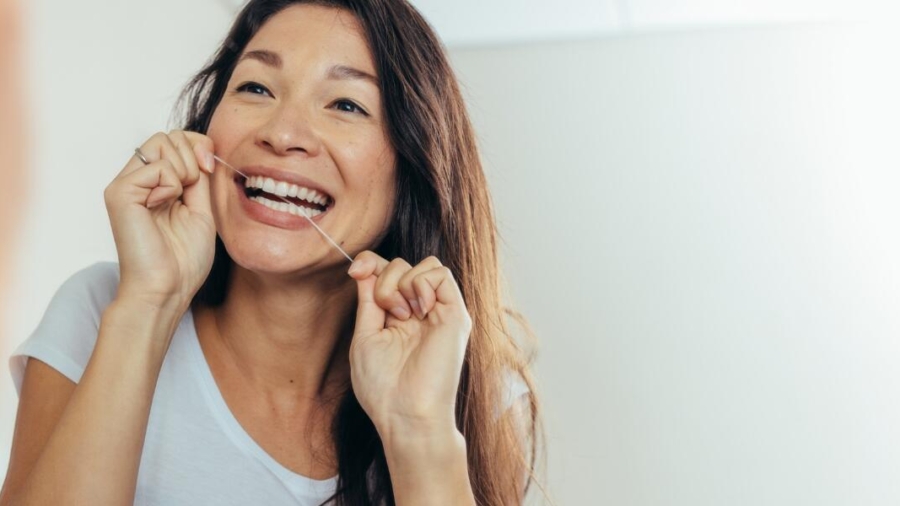
When it comes to taking care of our oral health one of the best things we can do is floss regularly. Making flossing part of your daily dental routine can help get rid of plaque, reduce the risk of cavities, help prevent gum disease, and keep your breath smelling fresh.

In an article all about flossing dos and don’ts DenTek reveal that dentists generally recommend that you floss first, to loosen the bits of food and plaque around your teeth. Then you can brush and rinse to properly remove all that nastiness.

For a lot of people good old standard dental floss is the best tool to use to get in between your teeth and up to the gum line, but if that’s just not your thing then there are some great alternatives that are really effective at keeping your mouth fresh and clean.

1. Floss picks

These little tools are basically a mix of floss and a dental pick, so you get the benefits of two tools in one. At one end is a pick that you can use to remove bits of food that you can see stuck between your teeth, and at the other end is a taut bit of floss that’s often easier to use than a loose piece wrapped around your fingers.

2. Interdental brushes

These brushes come in a range of sizes and are made with bendable wire and bristles to really get in there between your teeth.

3. Water flossers

There’s a good chance you’ve seen these while scrolling on social media over the last few months, with people raving about easy they make the whole flossing process. They direct a pretty powerful stream of water between your teeth to remove bits of food and plaque, rinsing it all straight out of your mouth as you go.

So that’s 3 great alternatives to traditional floss that you might want to consider to step up your dental care routine.

But what about what you shouldn’t do?

It might seem obvious that you should only use things that are actually designed for the purpose to clean your teeth, but that hasn’t stopped people from getting creative when they’ve found themselves out of floss.

The survey reported by DenTek found that there’s a whole range of things that people have reached for in the past when they’re in a jam and need to get something out of their teeth. Have you ever been tempted to try any of these?!

  • Fingernails
  • Folded paper or card
  • Thread or string
  • Cutlery
  • Paper clip
  • Safety pin
  • Earring back
  • Strands of hair

There might have been one or two times in my teens when I resorted to a folded piece of paper to get some stuck apple skin out from between my front teeth, but I can’t say I’ve ever tried any of the other things on this list.

And honestly, the idea of using anything metal like a paper clip or a safety pin just sets my teeth on edge!

The DenTek report points out that the main problem with most of these floss alternatives is the risk of damage to the gums and the potential for infection from harmful bacteria. So while it might seem like a good quick fix, it’s just not worth it in the long run.

Your best bet is to keep your bathroom cabinet well stocked with floss and stash some interdental brushes or dental picks in your handbag if you’re heading out for a meal. That way you never have to MacGyver your way out of a food-stuck-in-teeth situation!

Disclosure: this is a collaborative post
Are there specific spa treatments for skin rejuvenation

Are there specific spa treatments for skin rejuvenation?

Maintaining healthy and youthful skin can be challenging in our fast-paced world. Environmental factors, stress, and ageing all take their toll on our skin, leading to dullness, wrinkles, and other signs of ageing.

Fortunately, modern spa treatments offer a range of solutions for skin rejuvenation, helping you achieve a radiant and youthful complexion.

This blog post explores some of the most effective spa treatments designed to rejuvenate the skin, providing insights into how they work and their benefits.

Facials: The foundation of skin rejuvenation

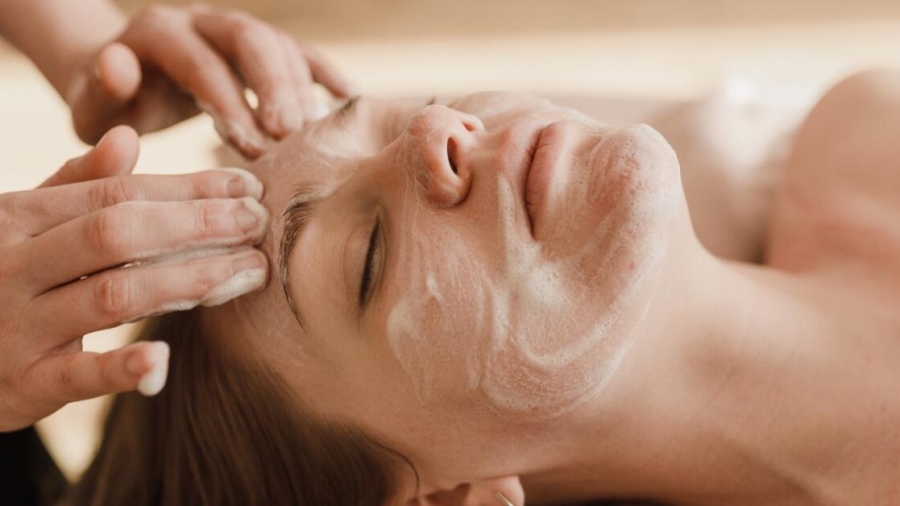
Facials are one of the most popular and accessible spa treatments for skin rejuvenation at Banya No.1 – Chiswick. They involve a multi-step process that cleanses, exfoliates, and nourishes the skin, promoting a clear, well-hydrated complexion. Here are some types of facials that are particularly effective for skin rejuvenation:

  • Anti-Aging Facials: These facials use products rich in antioxidants, vitamins, and collagen-boosting ingredients to reduce the appearance of fine lines and wrinkles.
  • Hydrating Facials: Perfect for dry skin, these facials focus on replenishing moisture and restoring the skin’s natural barrier.
  • Brightening Facials: These facials use vitamin C and alpha hydroxy acids (AHAs) to improve skin tone and reduce pigmentation.

Facials typically include a combination of steaming, exfoliation, extraction, and massage, followed by a mask, serums, and moisturisers tailored to your skin type.

Microdermabrasion: Exfoliating for a fresh glow

Microdermabrasion is a non-invasive treatment that gently exfoliates the skin to remove dead skin cells and promote cell turnover. This process can significantly improve the texture and appearance of the skin, making it smoother and more radiant. The benefits of microdermabrasion for skin rejuvenation include:

  • Improved Skin Texture: Microdermabrasion removes the outer layer of dead skin cells, revealing fresher, healthier skin underneath.
  • Reduction of Fine Lines and Wrinkles: The exfoliation process stimulates collagen production, which helps to reduce the appearance of fine lines and wrinkles.
  • Minimised Pores: Regular treatments can help reduce pores’ size, making the skin look more refined.

Microdermabrasion suits all skin types and can be particularly beneficial for those with rough or uneven skin texture, sun damage, or superficial acne scars.

Chemical peels: Resurfacing for renewed skin

Chemical peels are a more intensive exfoliation treatment that uses acids to remove the outer layers of the skin. This process can address skin concerns, including fine lines, wrinkles, acne scars, and hyperpigmentation.

There are different types of chemical peels, ranging from mild to profound, each offering distinct benefits:

  • Superficial Peels: These peels use mild acids, such as glycolic or lactic acid, to gently exfoliate the outermost layer of the skin. They are ideal for improving skin texture and tone with minimal downtime.
  • Medium Peels: Using more vital acids like trichloroacetic acid (TCA), medium peels penetrate deeper into the skin to treat fine lines, wrinkles, and moderate pigmentation issues.
  • Deep Peels: These peels, often using phenol, provide dramatic results by removing several layers of skin. They are best suited for severe skin issues but require significant downtime and aftercare.

Chemical peels can rejuvenate the skin by promoting the growth of new, healthy skin cells and improving overall skin clarity and radiance.

LED light therapy: Harnessing light for skin health

LED light therapy is a non-invasive treatment offered at Banya No.1 – Chiswick that uses different wavelengths of light to target various skin concerns.

This treatment is gaining widespread popularity in spas owing to its high efficacy and minimal downtime. The different types of LED light used for skin rejuvenation include:

  • Red Light: This wavelength penetrates deeply into the skin and stimulates collagen production, reducing the appearance of fine lines and wrinkles. It also helps to improve skin elasticity and firmness.
  • Blue Light: Primarily used for acne treatment, blue light kills acne-causing bacteria and helps to reduce inflammation and prevent future breakouts.
  • Green Light: This light reduces hyperpigmentation and age spots, promoting a more even skin tone.

LED light therapy is a non-invasive treatment compatible with all skin types. Regular sessions can help to maintain youthful, healthy skin by improving cellular function and reducing signs of ageing.

Conclusion

Skin rejuvenation is achievable with the right spa treatments tailored to your needs. Whether you opt for facials, microdermabrasion, chemical peels, or LED light therapy, each treatment offers unique benefits that can help you achieve a radiant and youthful complexion.

Regular spa visits and a consistent skincare routine can make a significant difference in maintaining healthy, glowing skin. Consult with a skincare professional to determine the best treatments for your skin type and concerns, and enjoy the transformative effects of these advanced spa therapies.

Investing in professional spa treatments can rejuvenate your skin, boost your confidence, and provide you with a glowing complexion that radiates health and vitality.

Disclosure: this is a collaborative post