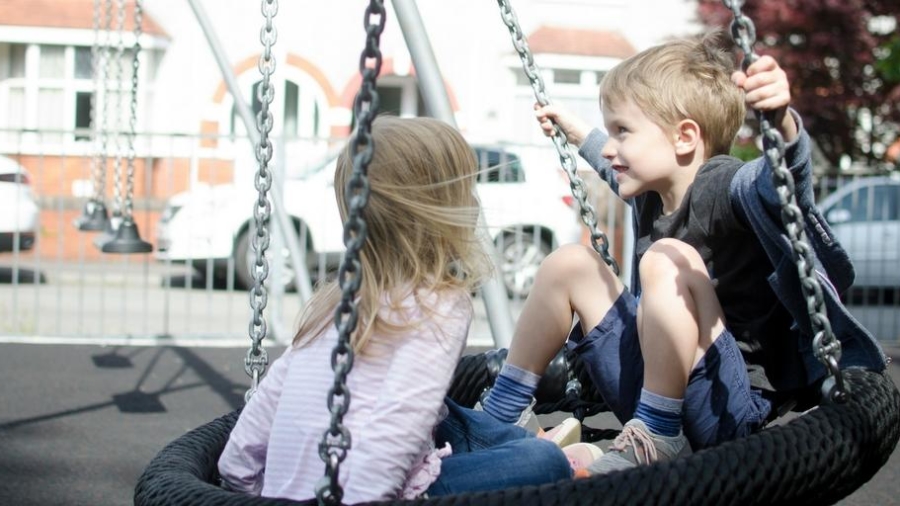
My husband and I are both quite anxious people. So it hasn’t come as a big surprise to us that our children both experience a fair bit of anxiety over different things.
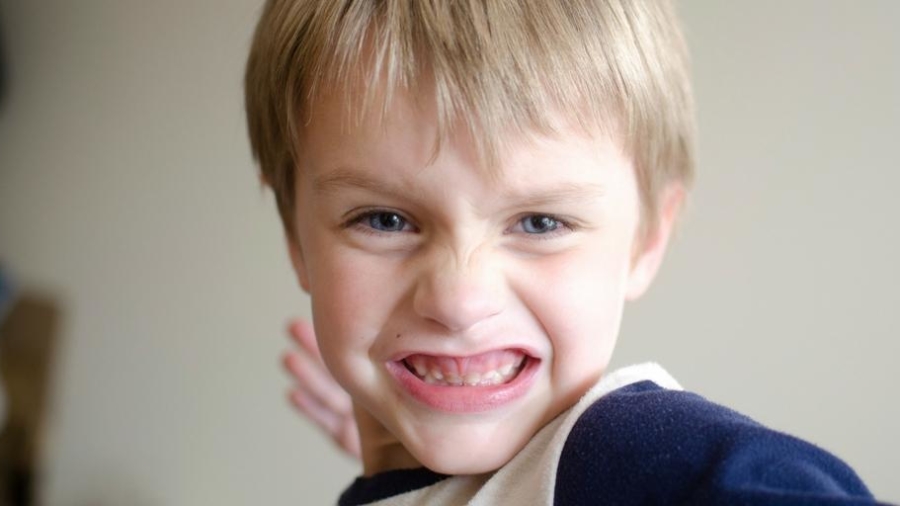
One big cause of anxiety for Rhys, and lots of other children out there, is school.
Now, Rhys likes school. He is bright and he is an enthusiastic learner. But there are still lots of things about going to school that make him anxious.
He is a really sensitive child, and worries about getting things wrong at school. He worries about getting into trouble, as he has so much energy and is still learning how to channel it productively. He worries about things that, honestly, I didn’t realise he might be worried about.
Being anxious myself though, I understand how all-consuming those worries can be.
If you have an anxious child too, then these strategies might help.

Acknowledge and name their feelings
First of all, don’t just dismiss their anxiety. It can be so tempting to try and placate them, and say things like ‘don’t worry about that’ and ‘it’ll all be ok’. And while we say these things with the best of intentions, they don’t actually help. No one wants to feel scared or anxious, but we can’t help it, and being told not to worry about the thing we’re worrying about can often just make us feel worse. Because we feel that our worries are unfounded, and that there’s something wrong with us because we’re feeling anxious.
Instead, try to validate your child’s feelings.
Let them know that you understand how they’re feeling, by saying things like “I can tell that you’re feeling scared/nervous/uncertain” or “it seems like maybe you’re anxious about such and such”.
Encourage your child to talk to you
The more you can get your child to talk to you about how they’re feeling and what is making them anxious the better. So if they come to you and tell you they feel nervous, encourage them to open up and tell you more about it by saying, “yes, I can tell you’re feeling a bit nervous, what is it that you’re worried about?”
Try and be mindful of the type of questions you ask though, and steer clear of leading questions if you can.
So if there’s a school trip coming up that you know they’re probably worried about, don’t ask them “are you scared about going to …” or “are you feeling nervous about getting on the bus to go to …”. Instead try to ask more open questions like “how are you feeling about the school trip to …”
Teach them some mindfulness techniques
Speaking of being mindful, teaching your child some mindfulness techniques can be a really good idea to help them cope with anxiety.
The simplest way to start with mindfulness is to get them to stop what they’re doing, stand or sit still and start paying attention to everything around them. Ask them to focus on the way the ground feels beneath their feet, or the way the wind is making the leaves in the trees rustle. You can give them a small item to hold in their hands, like a pebble from the beach, and ask them to pay attention to the weight of it in their hands, and the smoothness of its surface as they run their fingers over it.
Shifting their focus onto the world around them can really help get them out of their heads, which in turn can help them to feel less anxious.
Remove the stigma
Children might feel that they are the only ones who feel anxious about things, which then makes them even more worried about it. They might worry that people will think less of them because of their anxiety.
Something that might really help is to remove the stigma around anxiety for your child.
Let them know that anxiety can be a good thing, it helps to keep us alert and can protect us from harm. It’s also a great idea to make sure they understand that pretty much everyone experiences anxiety at times.
Take care of them
A nervous child might feel sick, and lose their appetite, but try to get them to keep eating. And make sure they’re getting as much quality sleep as possible.
Do some gentle exercise with them, like taking a stroll after tea or doing some yoga together. Try to get them to eat foods that are rich in omega3 fatty acids, and for older children try and reduce the amount of caffeine they’re consuming, as it can make anxiety worse as it can trigger our fight or flight response.
Create a checklist
For some children having a routine or checklist to work through when they start to feel anxious can be really helpful.
Using the logical left side of the brain to work their way methodically through the checklist can help quieten the emotional right side of the brain, so very act of using the list can help calm them down.
The list will probably be slightly different for each child, but could include things like taking some deep breaths, using some mindfulness techniques and assessing the current situation to reassure themselves that there is no real present danger.
I hope that using a combination of these things will help us all get through the next school year with a bit less stress and worry.
Do you have an anxious child? Do you do any of these things to help them, or is there something else that you do that works for you and your family?