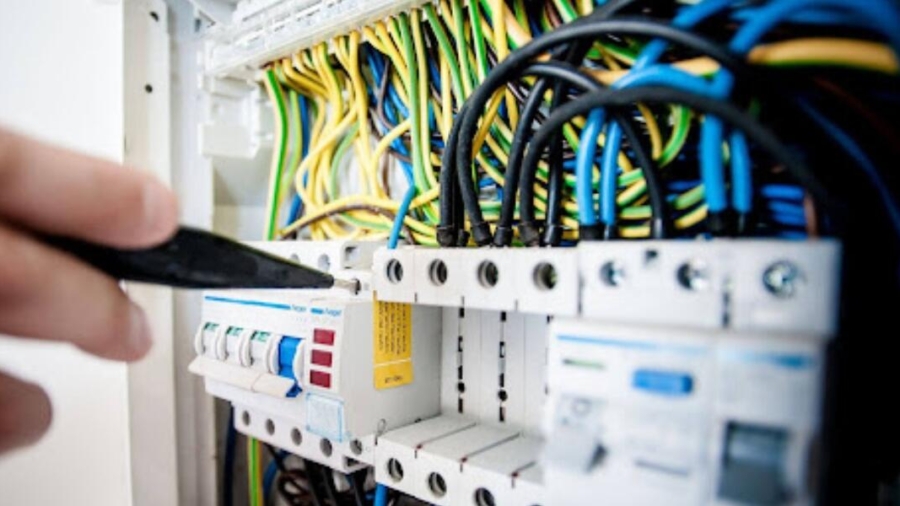
Energy efficiency considerations

Energy efficiency considerations in modern control panel construction

Walk into any modern manufacturing facility, and you’ll notice something remarkable. The control panels managing complex machinery now run cooler, consume less power, and operate more efficiently than ever before.

This transformation didn’t happen by accident. As energy costs continue rising and environmental regulations tighten, industrial panel building has evolved to prioritise efficiency without compromising performance.

Energy efficient control panels represent more than just a trendy upgrade. They’re becoming essential infrastructure for businesses aiming to reduce operational costs whilst meeting sustainability targets.

The question isn’t whether to invest in energy-conscious design—it’s how to implement it effectively.

Understanding energy consumption in industrial panel building

The growing importance of sustainable electrical solutions

Industrial facilities face mounting pressure from multiple directions. Electricity prices fluctuate unpredictably, carbon reduction targets grow stricter, and equipment reliability remains non-negotiable. Electrical solutions providers such as Tec-Stop support these priorities by helping industries improve reliability, efficiency, and long-term performance through well-planned electrical systems.

Traditional control panels often waste significant energy through heat generation, inefficient components, and poor thermal management. Modern approaches tackle these issues head-on, integrating energy consciousness into every design decision.

How power consumption affects operational costs

Consider a mid-sized manufacturing plant running twenty control panels continuously. Even modest efficiency improvements—reducing consumption by just 15%—can translate into thousands of pounds saved annually. These savings compound over the typical 15-20 year lifespan of industrial equipment.

Beyond direct energy costs, reduced power consumption means less heat generation. This creates a cascading benefit: cooling systems work less, maintenance intervals extend, and component failure rates drop.

Key components that influence control cabinet efficiency

Energy saving panel components and their impact

Every component within a control panel contributes to its overall energy profile. Variable frequency drives, programmable logic controllers, and power supplies have all seen dramatic efficiency improvements in recent years. Modern drives can reduce motor energy consumption by 30-50% compared to fixed-speed alternatives.

Switching to LED indicator lights instead of traditional bulbs seems minor, yet across dozens of panels, the aggregate savings become meaningful. Similarly, efficient transformers and power supplies that maintain high efficiency across varying load conditions prevent energy waste during normal operation.

The role of low energy control systems

Low energy control systems achieve remarkable efficiency through intelligent design. These systems monitor actual demand and adjust power delivery accordingly, rather than maintaining constant full-power availability. During periods of reduced activity, components enter low-power states automatically.

Smart relays and contactors now feature standby modes that dramatically reduce holding current. Professional electrical wiring services can assess existing systems and identify opportunities for strategic component upgrades that deliver measurable efficiency gains.

Selecting efficient drives and power supplies

Efficiency ratings matter enormously, particularly for components that operate continuously. A power supply rated at 95% efficiency versus one at 85% might seem marginally different, but that 10% gap represents pure waste—energy converted to heat rather than useful work.

Premium efficiency motors paired with appropriately sized drives ensure optimal performance. Proper specification requires understanding actual operational demands, not just peak theoretical requirements.

Electrical enclosure design for optimal energy performance

Strategic component placement and airflow management

Heat rises naturally, making component placement within an enclosure surprisingly consequential. Positioning heat-generating components like drives and power supplies near ventilation points allows hot air to escape efficiently. Creating clear air channels through thoughtful layout reduces the need for active cooling.

Insulation and material selection

Enclosure materials influence thermal performance dramatically. Highly conductive materials transfer external heat inward, forcing internal components to work harder in warm environments. Modern composite materials offer excellent thermal properties whilst maintaining necessary electromagnetic shielding.

Size optimisation to reduce energy waste

Right-sizing panels—neither cramped nor excessively spacious—optimises efficiency. Compact designs reduce the volume of air requiring temperature control whilst maintaining adequate spacing for heat dissipation and maintenance access.

Thermal management systems in energy efficient control panels

Passive cooling vs active cooling solutions

Passive cooling relies on natural convection, heat sinks, and ventilation to manage temperatures. It consumes zero energy beyond the initial design consideration. Active cooling requires continuous power but handles higher heat loads.

The most efficient approach often combines both strategies. Passive systems handle baseline cooling needs, whilst active systems engage only when temperatures exceed specific thresholds.

Heat dissipation techniques for power consumption reduction

Heat sinks attached to high-power components spread thermal energy across larger surface areas, improving natural dissipation. Heat pipes transfer warmth from hot spots to cooler enclosure areas without requiring energy input.

Temperature monitoring and control technologies

Modern sensors provide precise temperature data, enabling intelligent cooling decisions. Rather than running fans continuously, temperature-triggered activation ensures cooling operates only when necessary.

Panel building standards for energy efficiency

Compliance with environmental regulations

Environmental legislation increasingly mandates energy efficiency in industrial equipment. Forward-thinking panel building incorporates these requirements from initial concept rather than retrofitting compliance later.

ISO and IEC standards for sustainable panel construction

ISO 50001 provides frameworks for energy management systems, whilst IEC standards address specific technical requirements for electrical equipment efficiency. Adherence to these standards ensures panels meet internationally recognised benchmarks.

Energy rating systems and certifications

Third-party certifications provide objective validation of energy performance claims. These certifications simplify procurement decisions and provide assurance that efficiency claims reflect actual performance.

Enhancing industrial automation efficiency through smart design

Programmable logic controllers and energy management

Modern PLCs incorporate energy monitoring functions directly into their programming. They track consumption patterns, identify anomalies indicating inefficiency or malfunction, and generate detailed reports supporting continuous improvement initiatives.

Sensor integration for real-time monitoring

Current sensors, power metres, and temperature monitors provide granular insight into panel operation. Real-time data reveals exactly how and when energy is consumed, highlighting opportunities for improvement.

Intelligent power distribution systems

Smart distribution systems route power along the most efficient pathways and disconnect unused circuits automatically. They prevent standby power waste and ensure electrical loads remain balanced.

Long-term benefits of investing in energy efficient control panels

Return on investment and cost savings

Initial costs for energy efficient components typically exceed standard alternatives by 15-30%. However, payback periods often fall within 2-4 years through reduced energy consumption alone. Extended component lifespan and reduced maintenance requirements accelerate returns further.

Reduced carbon footprint and environmental impact

Energy efficiency directly translates to reduced carbon emissions. For organisations with sustainability commitments, efficient panels provide measurable progress towards emission reduction targets.

Improved equipment lifespan and reliability

Components operating at lower temperatures experience less thermal stress, the primary cause of electronic component failure. Efficient panels run cooler, extending component lifespan significantly.

How can industrial panel building meet future energy demands?

The trajectory towards greater efficiency shows no signs of slowing. As renewable energy integration increases, efficient industrial equipment will prove essential for maintaining reliable operations. Panels designed today should anticipate tomorrow’s stricter efficiency requirements.

Energy efficient design needn’t compromise functionality or reliability. Efficiency improvements often enhance performance whilst reducing costs. For organisations evaluating new installations or considering upgrades, prioritising energy efficiency delivers financial, operational, and environmental returns that justify the investment many times over.


The Seating Issues Most People Ignore

Workday Fatigue Starts Here: The Seating Issues Most People Ignore

Have you ever noticed how drained you feel halfway through the workday, even though you’ve only been sitting at your desk? Many of us blame long hours or a heavy workload, but one often-overlooked factor is your seating. A chair that doesn’t support your body properly can silently sap your energy, leaving your back sore, your shoulders tense, and your focus slipping.

Choosing a supportive home office chair is a simple way to start feeling more comfortable and alert during long hours at your desk.

Understanding how seating affects your body and making small adjustments can dramatically improve both comfort and productivity.

Why Your Chair Could Be Draining Your Energy

Even minor slouching or leaning forward puts a lot of strain on your spine and muscles. Over time, this leads to tension in the back, neck, and shoulders, which can make even simple tasks feel exhausting. You might notice that your energy dips mid-morning or mid-afternoon, and it’s not just about sleep. Poor posture reduces circulation and oxygen flow, which makes it harder for your brain and body to stay alert.

When your chair supports you properly, your muscles don’t have to work overtime, and you can maintain focus without feeling fatigued.

How the Right Chair Can Change Your Day

Many people think discomfort is just part of sitting at a desk, but it doesn’t have to be. A good chair works with your body, helping you sit upright without effort.

  • Less Slouching: A chair with proper back support encourages your spine to stay aligned naturally. You’ll notice you sit taller without even thinking about it.
  • Better Focus: When your back, shoulders, and neck are comfortable, your mind can concentrate on tasks rather than aches or numbness.
  • Relaxed Shoulders: Proper armrests and seat design prevent tension from building in your shoulders, so you won’t constantly hunch forward.

Even small improvements in support can make your workday feel easier and more productive.

What to Look for in a Chair

Finding the right chair doesn’t require scientific knowledge, just attention to a few key features. Adjustable height lets your feet rest flat on the floor and keeps knees level with hips. Lumbar support should fit the natural curve of your lower back to maintain posture effortlessly. Breathable materials, like mesh, keep you cool, while a chair with enough depth allows you to sit fully back without pressure behind your knees.

Occasionally switching to a second home office chair that provides a slightly different posture can also help during long workdays, giving your muscles a brief change in support and reducing fatigue.

Small Habits That Make a Big Difference

Even with the best chair, movement is essential. Standing up every hour, taking a quick walk to the kitchen, or doing gentle shoulder rolls keeps your circulation going and prevents stiffness. Positioning your monitor at eye level and keeping your keyboard within reach reduces strain on your neck and shoulders. Engaging your core lightly while sitting also helps maintain alignment, making it easier to stay comfortable for longer periods.

These habits work hand-in-hand with good seating to keep you alert and energised throughout the day.

Recognising When Your Seating Isn’t Helping

Frequent back or shoulder pain, tingling in your legs, or feeling drained early in the afternoon are signs your chair isn’t supporting you properly. Listening to your body and making adjustments early can prevent longer-term issues like chronic back pain or poor posture habits. Regularly reviewing your workspace and making simple tweaks ensures your seating continues to meet your needs.

Conclusion

Workday fatigue often starts with something as simple as your chair. Poor seating silently drains energy, strains muscles, and reduces focus. By investing in a supportive home office chair and combining it with thoughtful desk setup and movement habits, you can protect your body, maintain alertness, and make your workday feel less tiring.

Better seating isn’t just a comfort upgrade, it’s a productivity booster, a posture protector, and a small change that pays off all day long.

Disclosure: this is a collaborative post

Stop Feeling Behind

How to Stop Feeling Behind when Everyone Looks Successful Online

It’s honestly impressive how quickly the brain can go from just checking social media or LinkedIn (granted that’s also social media) for a minute to immediately feel insecure because it looks like everyone is thriving, like they’re all thriving except for you.

Maybe someone announced on LinkedIn that they’re making a career switch that somehow already has a job lined up, a promotion announcement, maybe on Instagram, a content creator you follow is sharing a small business they’re creating, or someone is sharing a professional photoshoot that clearly doesn’t look like an AI prompt. 

But in your real life, well, just real-life things are happening, bills are due, work is busy, energy is limited, so when did success become a daily performance? And yes, by all means, here all of this feels horribly frustrating.

Like, it feels personal even though technically, none of this is. Online success is edited, curated, scheduled, filtered, sometimes literally and emotionally. It’s a highlight reel mixed with strategic positioning, and it’s very good at making normal progress feel invisible.

Remember that Online Success is Presentation

It should be so obvious at this point, but so many folks just forget this bit; most people are not showing the behind-the-scenes mess. They’re showing the best angle. You’re probably no different here either.

Like, one LinkedIn update about getting a new job isn’t sharing the hundreds of rejections and thousands of hours poured into applications. 

Even academic wins, publications, grants, and acceptances are usually the result of a long process, not a random, magical moment.

These are just two examples, but very rarely do people share the losses; they just share the wins.

Presentation is Practically a Skill

Well, in general, nowadays everyone does need to present themselves; you do it in meetings by being well-groomed and dressed nicely, it’s not all that different online (and a good presentation creates more trust anyway).

For example, some people invest in professional headshots, like from Luke Chapman Photography, because good images make a person, well, their whole brand (especially if they’re trying to run a business) look way more established. 

You can have a great headshot and still just try and figure things out, and it’s not being fake either. It’s just in the packaging, how you “package” yourself, and packaging can make progress look bigger than it feels day to day.

It’s Better to Compare Strategy

Well, specifically here, don’t compare the outcome, and yes, sometimes (a big fat sometimes), it’s okay to compare. Think of it like this: instead of comparing outcomes, like titles, follower counts, income, and degrees, compare strategies.

What are they doing consistently? What systems do they have? What are they prioritising? What are they saying no to?

Maybe it’s a content creator posting daily, might have a whole workflow behind it, same for a small business, they might have had to reinvent themselves to get where they are now, or someone who climbed the career ladder.

Maybe they networked their way up there. So maybe if you can figure out their process (and sometimes people will share this), then you can maybe borrow their process and implement it for yourself.

Disclosure: this is a collaborative post

Bedding Protection

Why Bedding Protection Is a Smart Risk Management Choice for Hospitality Businesses

When you’re in the hospitality business, risk management isn’t only about finances and your staffing. Everyday operational risks, such as asset wear, hygiene issues, and even damage, are all going to quietly affect your profitability as well as your brand reputation. 

One area that is often overlooked is the risk that lies in bedding, especially duvets, which usually experience heavy use and frequent laundering. For hospitality businesses that are focused on sustainability as well as long-term performance, making sure that you are protecting your bedding asset is a strategic and practical decision you will need to make.

Bedding as a High Risk Asset

Duvets are usually exposed to moisture, body oils, spills, and even frequent handling. Without any form of proper protection, all of these factors will shorten the product lifespan and also increase hygiene concerns at the same time. Damage will often go unnoticed until getting a replacement becomes unavoidable. This may lead to unplanned costs.

Unlike decorative elements, duvets are difficult to visually assess for wear. Internal damage will often accumulate while the outer fabric still looks as if it’s intact, creating hidden operating costs for your business

Hygiene Standards and Brand Protection

Cleanliness is an expectation in hospitality that is non-negotiable. Bedding that will absorb moisture or contaminants will often become difficult for you to sanitize effectively even when you do regular laundering. 

Over time, this type of situation will increase the risk of odor retention, and you’ll have inconsistent hygiene standards. Protecting your hotel duvets will help your hospitality business to keep consistency and clean protocols for your guests. 

Protective layers will act as a barrier and this will reduce any kind of direct exposure, making it much easier to uphold hygiene expectations across different rooms as well as locations. 

Reducing Replacement and Liability Costs

Having to do frequent duvet replacements can quietly erode the margins you have for your business in terms of profit. This is especially true for a growing hospitality business. When you have unexpected damage or contamination, it will also lead to immediate removal from use and this will disrupt your inventory planning at some level.

By making sure you are protecting your duvets from internal damage, businesses in the hospitality industry can reduce replacement frequency and extend usable lifespan. This type of approach supports cost predictability and lowers the likelihood of last-minute procurement when peak seasons draw near. 

Supporting Scalable Operations

As hospitality businesses start to expand, being able to maintain consistent standards is going to be a lot more complex. Bedding protection is going to simplify this entire process by standardizing the care requirements that happen across properties. 

Clear protection protocols will reduce reliance on any individual staff judgment. It will also minimize any variation in handling that might happen. This type of consistency supports training and compliance. You will have quality control as your operations start to scale. 

Smart Risk Management Through Prevention

When you’re in business, prevention is much more effective on your pocket than correction. Bedding protection is usually a low-visibility decision that has some high-impact results. It will help to reduce your operational risk, and it won’t disrupt the experience of your guests. 

Disclosure: this is a collaborative post

Career in Holistic Therapy

Healing Hands & Business Plans: Is a Career in Holistic Therapy Right for You?

Ever found yourself recommending lavender oil for stress, giving shoulder rubs with perfect pressure, or championing the powers of breathwork at a dinner party? If your natural instinct is to soothe, support, and help others feel better – in the mind, body and soul, a career in holistic therapy might just be calling your name.

But before you swap your office chair for a massage table or sound bowl, let’s take a closer look at what this path really involves, and whether it’s the right fit for you.

What Is Holistic Therapy, Anyway?

Holistic therapy is all about treating the whole person, not just the symptoms. Think massage, reflexology, aromatherapy, reiki, acupuncture, herbal medicine, and beyond. Instead of focusing solely on physical health, holistic therapists aim to bring balance to emotional, mental and spiritual wellbeing too.

It’s a hands-on (and heart-led) profession that’s growing in popularity as more people seek natural, preventative approaches to wellness. Whether you specialise in one treatment or offer a mix, holistic therapy can be deeply rewarding, but it also requires commitment, empathy and a genuine passion for helping others.

What Makes It the Right Career for You?

A career in holistic therapy is a good match if:

  • You’re a naturally caring, intuitive person
  • You enjoy learning about the body, health, and well-being
  • You’re comfortable working one-on-one with clients
  • You’re ready to invest time in professional training and ongoing development
  • You like the idea of flexible, self-employed work

That said, it’s not all candles and calming music. You’ll also need business savvy, self-motivation, and the confidence to build up a client base, especially in the early days when word of mouth is still growing.

Getting Started: Training & Tools

To become a holistic therapist, you’ll usually need to take accredited training in your chosen therapy (or therapies). These courses often cover anatomy, consultation skills, health and safety, and the techniques themselves. Many are available part-time or online – perfect for career changers or side hustlers.

Once qualified, it’s time to get the word out. Creating a calm, welcoming therapy space is key, whether it’s in your home, a hired room, or a mobile setup. And don’t forget the essentials of brand-building: a simple website, glowing testimonials, and attractive business cards which represent you and your brand.

Think soothing colours, clean design, and perhaps even a calming scent tucked into the envelope when you post them out. That little extra touch can leave a lasting impression.

The Joys (and Realities) of the Job

The best part? Seeing clients leave your care feeling better than when they arrived. Whether it’s easing their tension, lifting their mood, or simply giving them space to breathe, your work will make a tangible difference in people’s lives.

But as with any self-employed role, there are challenges too. Cancellations happen, marketing takes time, and the admin won’t do itself. That’s why setting boundaries, continuing your education, and looking after your wellbeing are just as important as caring for your clients.

In Conclusion

If you’ve got healing hands, a calm energy, and a passion for holistic wellness, this might just be the career you’ve been searching for. With the right training and a strong support network, you’ll be ready to step confidently into your new role as a holistic therapist.

So, light a candle, take a deep breath, and ask yourself: is it time to turn your gift into your calling?

Disclosure: this is a collaborative post

start a career as a child psychologist

How to start a career as a child psychologist

Working as a child psychologist is a challenging but rewarding career path that will give you the sense of purpose and satisfaction that’s unique to helping others. You’ll be instrumental in helping struggling children express, explore and overcome trauma, providing them with the tools not just to cope but to thrive. 

There’s no quick and easy route into this profession, but once qualified you can make a direct difference in the lives of vulnerable children and their families. Discover the key stages you’ll need to go through to become a practising child psychologist.

  1. Obtaining key qualifications

Building on an undergraduate degree in psychology is the most common entry into the profession. If you hold a degree in another subject, you can take a one-year conversion course to acquire the necessary knowledge. Without a solid education foundation, you won’t be eligible for specialist postgraduate training in child psychology. 

When you meet the requirements, you’ll need to apply for and complete a doctorate in Educational Psychology or Clinical Psychology – both of which are three-year courses.

Clinical Psychology courses are primarily provided by the NHS while Educational Psychology postgraduate degrees often require partial or full self-funding. These courses are competitive with limited spaces, and candidates with excellent results and evidence of experience are favoured. 

  1. Gaining relevant experience

While studying for your undergraduate and doctoral degrees, you need to gain work experience. Most postgraduate programmes have this as an entry requirement, and either way it will help you get ahead in your training. 

Prioritise opportunities to work with children and young people so your experience is as relevant as possible, but don’t overlook the benefits of involvement in related areas. Examples of things you could do include working as a teaching assistant in a school, volunteering in a residential care setting or shadowing psychologists in sessions within the NHS or private sector. 

  1. Registering with governing bodies

Once you complete your doctorate, you must register with the Health and Care Professions Council (HCPC) to practise legally as a child psychologist in the UK. Registration affirms that you meet and will strive to continue meeting expected professional standards in conduct, ethics and clinical ability.

You could also consider applying for chartered membership with the British Psychological Society. While not a legal requirement, this gives you access to a wide professional network and events that support your ongoing development. 

  1. Choosing how to specialise

Child psychology isn’t one size fits all. As your career progresses, you’ll discover which areas interest you most and you can use this knowledge to specialise. Narrowing down the services you offer can help boost business in the long run as it reinforces your expertise, giving you a competitive edge and increasing the likelihood of client satisfaction.

You can choose to set up your own practice if you value the freedom and flexibility of being self-employed. Take the essential steps to create a safe space for you and visiting children, such as employing soothing design elements and establishing clear boundaries. You could also consider psychologists’ insurance for a potential layer of legal and financial protection.

If you prefer to be part of a larger organisation, there are many options available to you as a qualified child psychologist. Public sector opportunities such as the NHS and prisons typically provide greater job security while private healthcare services often offer higher salaries. You could also be attached to community teams volunteering vital services in the local area.

Disclosure: this is a collaborative post

Ad Network Is Holding You Back

Time To Switch Platforms? 7 Clear Signs Your Ad Network Is Holding You Back

You’re pouring budget into your ad campaigns. But something’s off. Maybe the numbers aren’t moving, or the growth you expected just isn’t there. The truth is, not every ad network will be the right fit forever.

Sometimes it’s not your strategy. It’s the platform you’re trusting to deliver results. So, how do you know when it’s time to move on? Here are seven red flags that could mean your current ad network is more of a bottleneck than a boost.

1. Your CPMs Are Creeping Up With No Real Return

It’s normal to see cost fluctuations, especially during busy seasons or shifts in market demand. But if your CPM (cost per thousand impressions) keeps rising and your performance flatlines, that’s a problem.

A steady increase in CPMs without a matching improvement in revenue, engagement, or conversion means you’re paying more for less. This could be a sign that you’re in a poor-quality auction pool, the network’s targeting is inefficient, or the inventory isn’t aligned with your audience.

If you’re paying premium prices and still getting average (or worse) results, that’s not just frustrating. It’s wasteful.

2. There’s Zero Transparency in Reporting

You should never have to guess where your money is going. If your current ad partner gives you limited access to data or reports that are vague, generic, or overly delayed, that’s a serious red flag. It’s time to look for a better ad network platform that’s clear and transparent at all times. 

Real transparency means:

  • Clear breakdowns of spend, impressions, and revenue
  • Access to performance by device, location, and format
  • Insight into what’s being optimised and why

Without this, you’re flying blind. And if the network won’t explain or improve that? It’s time to start looking elsewhere.

3. The Fill Rate Is Inconsistent or Low

A low fill rate means your available ad space isn’t being fully monetised. It’s like owning a shop with shelves that stay half empty. And that translates to one thing — missed revenue.

Now, no network fills 100% of inventory at all times, but if you’re seeing dips with no clear cause or pattern, it could point to weak demand partnerships, slow tech, or poor prioritisation of your inventory.

If it keeps happening, and support isn’t giving straight answers, don’t wait too long to explore other options.

4. It Takes Forever to Get Paid

You’re delivering impressions, driving clicks, and creating value. But then comes the waiting game — weeks or even months before you see the payout.

Slow payment cycles can hurt your cash flow, especially if you’re running a growing site or app that needs that income to reinvest.

Some networks operate on longer payment terms, but if delays are frequent, unexplained, or keep slipping further? That’s not a small admin hiccup. That’s a sign of poor financial handling or worse.

A reliable network pays on time, every time. If you’re always chasing invoices or stuck in a loop of “we’re looking into it,” don’t stick around.

5. Support Is Practically Non-Existent

Things break. Questions come up. Performance fluctuates. You need a team that responds quickly and actually solves problems.

If support feels like an afterthought — slow replies, generic answers, or long periods of silence — that’s a major signal that your account isn’t being prioritised.

This gets even more frustrating when you’re trying to scale or troubleshoot something urgent. Good partners don’t leave you hanging when things aren’t working. And if your current network does? You’re better off moving to one that treats your business like it matters.

6. The Targeting Feels… Off

Your audience is specific. Maybe you’re focused on a niche demographic, a region, a device type, or a particular user behaviour. And your ad network should help you zero in on that.

If you’re constantly seeing misaligned impressions — the wrong people, in the wrong places, at the wrong time — it means your targeting capabilities are too broad or too blunt.

You end up wasting spend showing ads to users who’ll never convert.

It could also be a tech issue. If the platform’s data signals are weak, or it can’t optimise based on actual performance trends, it’s not going to help you scale effectively.

You need precision. If your network can’t deliver that, it’s a signal to upgrade.

7. You’ve Plateaued (and They’re Not Offering Solutions)

One of the clearest signs it’s time to go? Stagnation.

Maybe you had a good run at the start. But now, month after month, the numbers aren’t moving. Or they are — in the wrong direction. And worse, your network doesn’t seem all that concerned.

A good partner is proactive. They come to you with fresh ideas, new opportunities, A/B test suggestions, or creative formats to try. They don’t wait until performance drops to zero before they lift a finger.

If your growth has stalled and there’s no strategy in sight, it might not be your business model that’s the problem. It could be the people you’re working with.

If It’s Not Working, Don’t Wait

You don’t owe loyalty to a network that isn’t delivering. The longer you stay in a bad setup, the more you lose in revenue, momentum, and opportunity.

Switching networks can feel like a hassle, sure. But staying stuck in a partnership that’s draining your resources is the bigger risk.

Track your data. Ask questions. Challenge your provider. And if the answers don’t hold up? Trust your instincts and start exploring better alternatives.

Disclosure: this is a collaborative post