
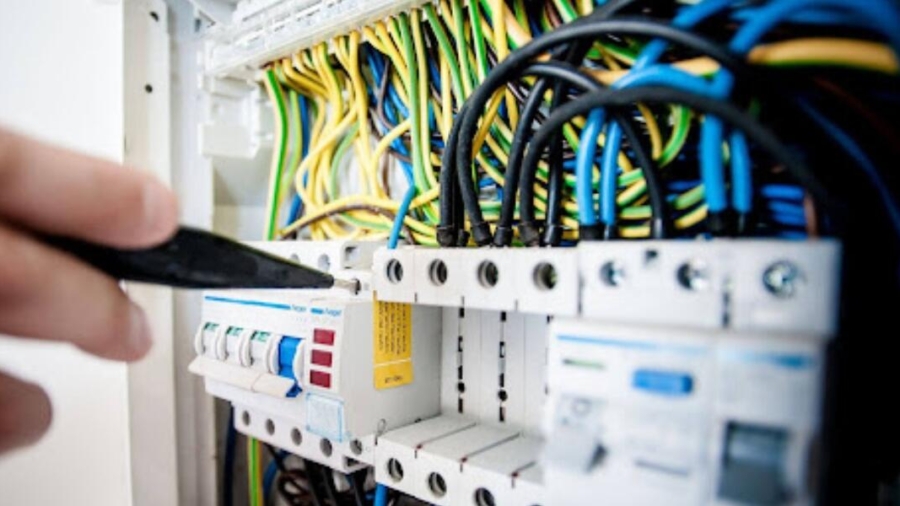
Walk into any modern manufacturing facility, and you’ll notice something remarkable. The control panels managing complex machinery now run cooler, consume less power, and operate more efficiently than ever before.
This transformation didn’t happen by accident. As energy costs continue rising and environmental regulations tighten, industrial panel building has evolved to prioritise efficiency without compromising performance.
Energy efficient control panels represent more than just a trendy upgrade. They’re becoming essential infrastructure for businesses aiming to reduce operational costs whilst meeting sustainability targets.
The question isn’t whether to invest in energy-conscious design—it’s how to implement it effectively.
Understanding energy consumption in industrial panel building
The growing importance of sustainable electrical solutions
Industrial facilities face mounting pressure from multiple directions. Electricity prices fluctuate unpredictably, carbon reduction targets grow stricter, and equipment reliability remains non-negotiable. Electrical solutions providers such as Tec-Stop support these priorities by helping industries improve reliability, efficiency, and long-term performance through well-planned electrical systems.
Traditional control panels often waste significant energy through heat generation, inefficient components, and poor thermal management. Modern approaches tackle these issues head-on, integrating energy consciousness into every design decision.
How power consumption affects operational costs
Consider a mid-sized manufacturing plant running twenty control panels continuously. Even modest efficiency improvements—reducing consumption by just 15%—can translate into thousands of pounds saved annually. These savings compound over the typical 15-20 year lifespan of industrial equipment.
Beyond direct energy costs, reduced power consumption means less heat generation. This creates a cascading benefit: cooling systems work less, maintenance intervals extend, and component failure rates drop.
Key components that influence control cabinet efficiency
Energy saving panel components and their impact
Every component within a control panel contributes to its overall energy profile. Variable frequency drives, programmable logic controllers, and power supplies have all seen dramatic efficiency improvements in recent years. Modern drives can reduce motor energy consumption by 30-50% compared to fixed-speed alternatives.
Switching to LED indicator lights instead of traditional bulbs seems minor, yet across dozens of panels, the aggregate savings become meaningful. Similarly, efficient transformers and power supplies that maintain high efficiency across varying load conditions prevent energy waste during normal operation.
The role of low energy control systems
Low energy control systems achieve remarkable efficiency through intelligent design. These systems monitor actual demand and adjust power delivery accordingly, rather than maintaining constant full-power availability. During periods of reduced activity, components enter low-power states automatically.
Smart relays and contactors now feature standby modes that dramatically reduce holding current. Professional electrical wiring services can assess existing systems and identify opportunities for strategic component upgrades that deliver measurable efficiency gains.
Selecting efficient drives and power supplies
Efficiency ratings matter enormously, particularly for components that operate continuously. A power supply rated at 95% efficiency versus one at 85% might seem marginally different, but that 10% gap represents pure waste—energy converted to heat rather than useful work.
Premium efficiency motors paired with appropriately sized drives ensure optimal performance. Proper specification requires understanding actual operational demands, not just peak theoretical requirements.
Electrical enclosure design for optimal energy performance
Strategic component placement and airflow management
Heat rises naturally, making component placement within an enclosure surprisingly consequential. Positioning heat-generating components like drives and power supplies near ventilation points allows hot air to escape efficiently. Creating clear air channels through thoughtful layout reduces the need for active cooling.
Insulation and material selection
Enclosure materials influence thermal performance dramatically. Highly conductive materials transfer external heat inward, forcing internal components to work harder in warm environments. Modern composite materials offer excellent thermal properties whilst maintaining necessary electromagnetic shielding.
Size optimisation to reduce energy waste
Right-sizing panels—neither cramped nor excessively spacious—optimises efficiency. Compact designs reduce the volume of air requiring temperature control whilst maintaining adequate spacing for heat dissipation and maintenance access.
Thermal management systems in energy efficient control panels
Passive cooling vs active cooling solutions
Passive cooling relies on natural convection, heat sinks, and ventilation to manage temperatures. It consumes zero energy beyond the initial design consideration. Active cooling requires continuous power but handles higher heat loads.
The most efficient approach often combines both strategies. Passive systems handle baseline cooling needs, whilst active systems engage only when temperatures exceed specific thresholds.
Heat dissipation techniques for power consumption reduction
Heat sinks attached to high-power components spread thermal energy across larger surface areas, improving natural dissipation. Heat pipes transfer warmth from hot spots to cooler enclosure areas without requiring energy input.
Temperature monitoring and control technologies
Modern sensors provide precise temperature data, enabling intelligent cooling decisions. Rather than running fans continuously, temperature-triggered activation ensures cooling operates only when necessary.
Panel building standards for energy efficiency
Compliance with environmental regulations
Environmental legislation increasingly mandates energy efficiency in industrial equipment. Forward-thinking panel building incorporates these requirements from initial concept rather than retrofitting compliance later.
ISO and IEC standards for sustainable panel construction
ISO 50001 provides frameworks for energy management systems, whilst IEC standards address specific technical requirements for electrical equipment efficiency. Adherence to these standards ensures panels meet internationally recognised benchmarks.
Energy rating systems and certifications
Third-party certifications provide objective validation of energy performance claims. These certifications simplify procurement decisions and provide assurance that efficiency claims reflect actual performance.
Enhancing industrial automation efficiency through smart design
Programmable logic controllers and energy management
Modern PLCs incorporate energy monitoring functions directly into their programming. They track consumption patterns, identify anomalies indicating inefficiency or malfunction, and generate detailed reports supporting continuous improvement initiatives.
Sensor integration for real-time monitoring
Current sensors, power metres, and temperature monitors provide granular insight into panel operation. Real-time data reveals exactly how and when energy is consumed, highlighting opportunities for improvement.
Intelligent power distribution systems
Smart distribution systems route power along the most efficient pathways and disconnect unused circuits automatically. They prevent standby power waste and ensure electrical loads remain balanced.
Long-term benefits of investing in energy efficient control panels
Return on investment and cost savings
Initial costs for energy efficient components typically exceed standard alternatives by 15-30%. However, payback periods often fall within 2-4 years through reduced energy consumption alone. Extended component lifespan and reduced maintenance requirements accelerate returns further.
Reduced carbon footprint and environmental impact
Energy efficiency directly translates to reduced carbon emissions. For organisations with sustainability commitments, efficient panels provide measurable progress towards emission reduction targets.
Improved equipment lifespan and reliability
Components operating at lower temperatures experience less thermal stress, the primary cause of electronic component failure. Efficient panels run cooler, extending component lifespan significantly.
How can industrial panel building meet future energy demands?
The trajectory towards greater efficiency shows no signs of slowing. As renewable energy integration increases, efficient industrial equipment will prove essential for maintaining reliable operations. Panels designed today should anticipate tomorrow’s stricter efficiency requirements.
Energy efficient design needn’t compromise functionality or reliability. Efficiency improvements often enhance performance whilst reducing costs. For organisations evaluating new installations or considering upgrades, prioritising energy efficiency delivers financial, operational, and environmental returns that justify the investment many times over.