
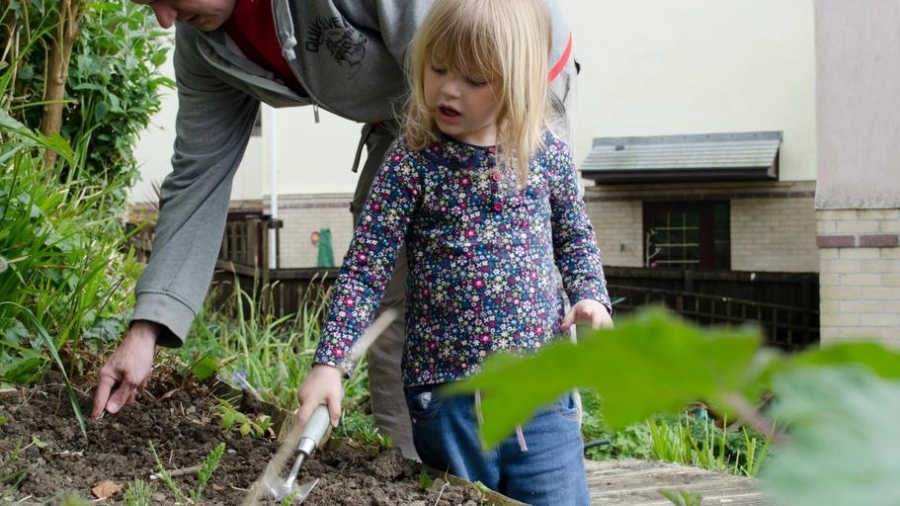
As a parent, you want to nurture your children so that they become well-rounded adults. You do all kinds of activities to support them and gardening may be one of them.
There are many reasons why a garden is a fascinating place for children and by encouraging them to start gardening, their physical and mental well-being will be nurtured too.
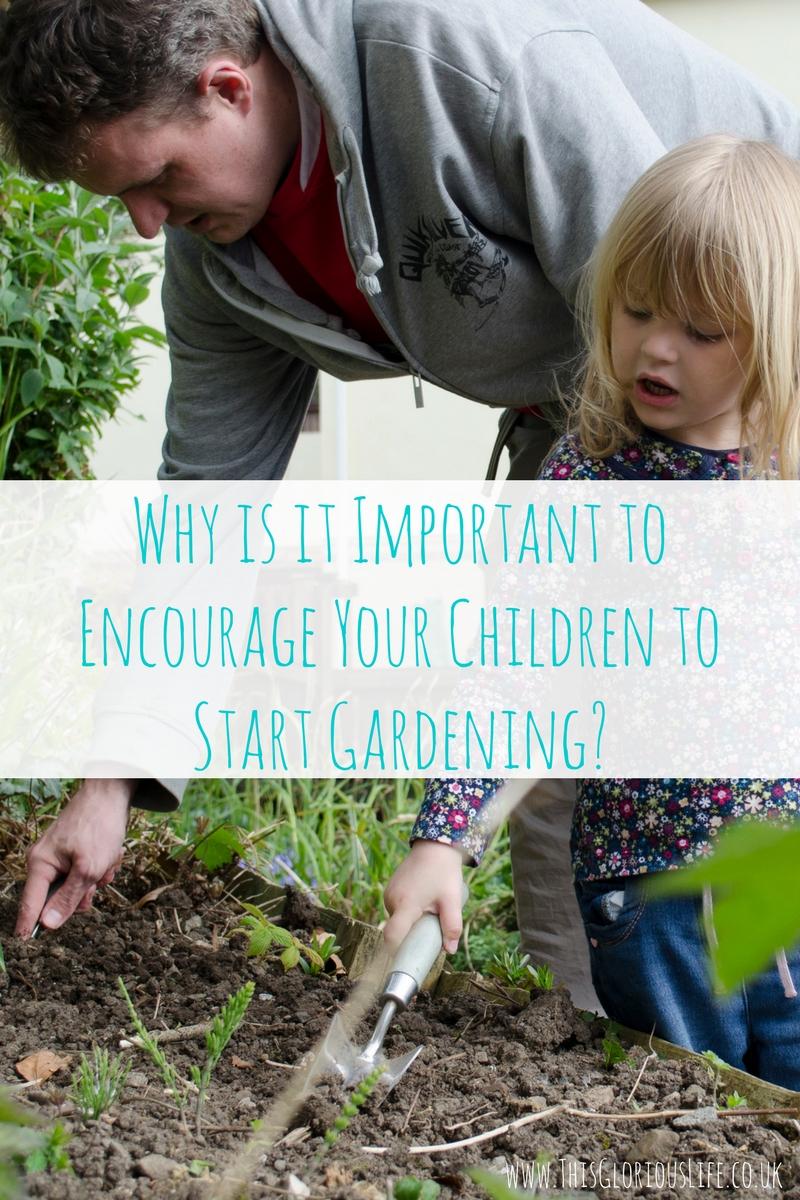
Gardening is great for kids because it…
… engages all the senses
From touch – watch out for the sting of the nettle! – to the crinkly dry leaves of autumn, to the smell of flowers, the sound of rustling plants, the sight of colours and the delicious taste of vegetables and herbs they have grown. What other activity can you think of that holds so many different experiences when it comes to the five senses?
… encourages healthy eating
Got a picky eater? Maybe growing their own veg and herbs could be the answer to encouraging them to try new foods and different foods. Stick with their favourites – grow your own peas! – and then maybe introduce a new veg every growing season. They may not like it, but watch their faces as they watch the plants grow.
… develops fine motor skills
Scooping compost into pots, putting seeds into pots, pulling weeds from the ground and similar activities all take hand, eye and brain coordination. From toddlers to the elderly, fine motor skills as the skills we need to complete daily activities and gardening helps to develop them.
… introduces scientific concepts in real-life setting
Why do plants need water to grow? What happens when you feed one plant, but not another? Why are some insects helpful but others not? It is a great way to introduce scientific concepts and experiments too. They will understand why sunlight is important to a plant and why water is too but also what happens when there is too much or too little of either.
… introduces maths concepts too
From measuring to counting, there are all kinds of ways in which gardening supports the development of maths skills and numeracy, the ‘real life applications of numbers’. You can encourage children to measure, compare and contrast sizes of vegetables and why some plants thrived and others less so, for example. Geometry is everywhere in the garden too – look how many different shapes you can see!
… perfect family time
It may only be half an hour here or there but spending time in the garden with the children, as a family, promotes bonding time. From working together to create flowers beds to stretching out of the outdoor sofa to read books and watch the insects fly by, there is no better way to enjoy each other’s company.
… teaches responsibility
If you don’t nurture, feed and water vegetable plants, what happens? Nothing. They wither away and die. Spending a few minutes each day looking after them promotes their well-being and improves chances of success, but also teaches children responsibility.
… highlights the need to care for our environment
Children are taught a lot more about the natural environment and our planet in school than older generations were. But sometimes, the concept of ‘saving the planet’ can seem remote and distant’. But bring it down to looking after your own eco-system in your garden, and you can see the advantages of encouraging as many insects and bugs, garden birds and wildlife into your garden.
… encourages patience
Patience, they say, is a virtue but one of the main reasons toddlers and young children throw a tantrum is that they are yet to learn the skill of being patient. But gardening could change all that. Plant a seed and as well as watering and feeding, it needs something else to grow: time. And that means patience. It also means excitement when the young head pops first pops through the compost, and the excitement as it grows bigger and bigger on a daily basis.
… develops planning and organising skills
If there is one thing expert gardeners are good at, it is the planning and organising of a garden. As fast as they have sown this year’s flowers and vegetables, they are looking forward to the next season and the spoils that will bring.
There are also other cognitive skills involved with gardening, such as problem-solving ones. Why are the peas not shooting up like they did last year? Why do the courgette flowers bloom but not fruit arrives? Finding the solutions takes a variety of skills from research to experimenting with different methods.
So what are you waiting for? Get out and enjoy your garden as a family!
Disclosure: This is a collaborative post with Rattan Direct who supply a range of garden furniture and accessories that make the garden a fun place to work and play for all the family!