
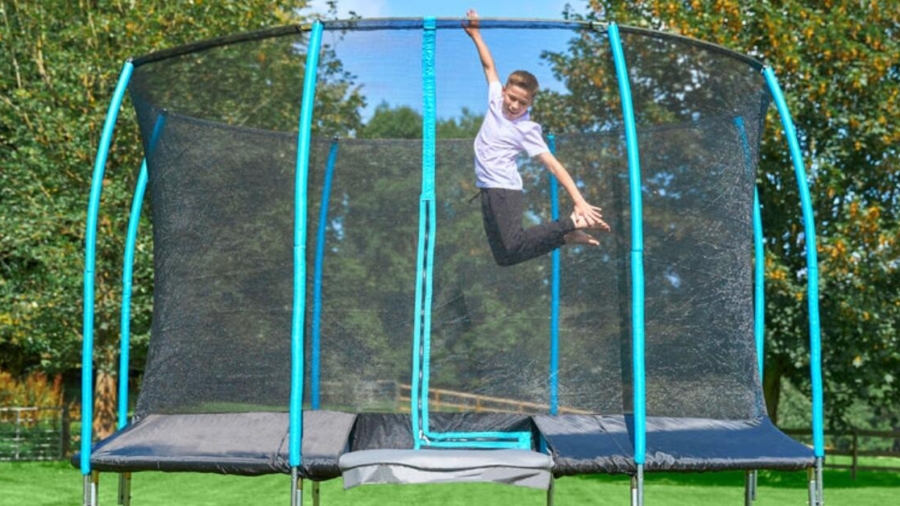
In a world increasingly dominated by screens and indoor activities, the importance of outdoor play in the development of healthy habits for children cannot be overstated. Outdoor activities, particularly those involving physical play, offer a plethora of benefits that contribute to the physical, mental, and emotional well-being of children.
In this light-hearted exploration, we’ll dive into how activities like bouncing on a trampoline or playing tag in the backyard can significantly impact the lifestyle choices and habits of our younger generation.
The magic of movement: physical health benefits
Stronger bodies, brighter smiles
The first and most obvious benefit of outdoor play is the enhancement of physical health. Activities like jumping on a 12ft trampoline provide an excellent cardiovascular workout, which strengthens the heart and improves overall stamina.
Not only does this kind of exercise promote muscle development and better coordination, but it’s also a fun way to encourage kids to be active regularly.
A breath of fresh air: boosting immune systems
Outdoor play also exposes children to fresh air and sunlight, which are essential for a healthy immune system.
Sunlight provides Vitamin D, which is crucial for bone development and immune function. Regular exposure to the outdoor environment can help children build a stronger resistance to infections and diseases.
The joy of play: mental and emotional perks
Stress busters and happiness boosters
Engaging in outdoor activities like playing on a 14ft trampoline can significantly reduce stress and anxiety in children. Physical activity releases endorphins, the body’s natural feel-good chemicals.
This hormonal boost can lead to improved mood, better sleep patterns, and a general sense of well-being.
Creativity and imagination unleashed
Outdoor play is not just about physical exertion; it also provides a canvas for imagination and creativity.
When children engage in unstructured play, they often invent games, make up rules, or imagine scenarios. This form of play fosters creativity, problem-solving skills, and cognitive flexibility.

Social skills and teamwork: learning to play well with others
The art of making friends
Outdoor play often involves interaction with other children, which is essential for developing social skills. Activities that require teamwork, like group sports or shared play equipment, teach children about cooperation, communication, and empathy.
Building confidence and leadership
As children navigate the challenges and triumphs of outdoor games, they also build self-esteem and leadership skills.
Successfully mastering a new skill, like a flip on a trampoline, can give children a sense of accomplishment and confidence.
Safety and moderation: balancing the risks and rewards
Safe play is happy play
While outdoor play is beneficial, it’s also crucial to ensure safety. Proper supervision, age-appropriate play equipment, and teaching children about play safety can reduce the risk of injuries.
Everything in moderation
Balancing outdoor play with other activities and responsibilities is important. While the benefits of outdoor play are numerous, it should complement other aspects of a child’s life, such as schoolwork, indoor play, and family time.
Conclusion: The lifelong impact of play
The influence of outdoor play on developing healthy habits extends far beyond childhood. The patterns set during these early years can shape attitudes towards physical activity and health for a lifetime.
By encouraging outdoor play, we’re not just giving our children a fun afternoon; we’re helping them build a foundation for a healthy, active, and joyful life.
So, the next time your child heads out to bounce on their trampoline or run around the garden, remember that these simple joys are building blocks for a healthier, happier future.
Disclosure: this is a collaborative post