
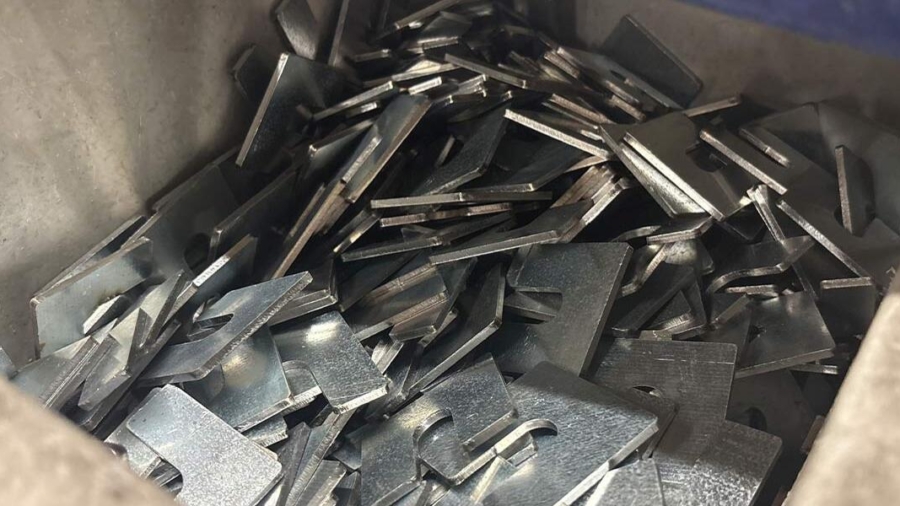
If you’ve ever tried to hang a shelf on a wonky wall or struggled to level a garden step, you’ve probably needed a shim or packer – even if you didn’t know it at the time!
Packers and shims are those small, unassuming bits of material that help level, align, or fill gaps. They’re used in everything from basic DIY around the house to large-scale construction work. But not all shims are the same. Depending on the job, you might use plastic, rubber, or steel – and each has its own strengths.
Plastic Packers: Versatile and Reliable
Plastic packers are probably the most common type. They’re lightweight, don’t rot, and come in different thicknesses, which makes them ideal for jobs where precision matters. I’ve used them countless times when fitting kitchen units or adjusting door frames. You can also pop them under furniture legs if your floor is a bit uneven.
In construction, they’re often used under window and door frames, or to space out cladding and decking boards. The big win? They don’t absorb moisture, so they’re great for outdoor jobs too.
Rubber Packers: Flexibility and Vibration Control
Rubber shims are all about flexibility. Because they can compress slightly, they’re great for situations where there’s a bit of movement or vibration. Think: under washing machines, between noisy pipes and walls, or even beneath heavy planters in the garden to protect your patio.
In more industrial settings, rubber shims are used to dampen vibration from machinery, or to isolate components to reduce noise. If you’re looking for a bit of “give” in your setup, rubber is your friend.
Steel Packers: Strong and Structural
Steel packers are the heavy-duty option. They’re built for strength and are often used in construction for load-bearing tasks. If you’re installing structural beams, steel columns, or supporting brickwork, steel shims provide a solid, stable base that won’t crush or deform.
At home, you probably won’t use them as often – but they’re ideal for tasks that need strength and permanence, like supporting a large stone fireplace or levelling a steel-framed greenhouse.
A Small Fix That Makes a Big Difference
I love that something as simple as a shim can solve such a wide range of problems. Whether you’re a seasoned builder or just doing some weekend tinkering in the garden, having the right packers and shims to hand makes the job easier – and the result sturdier.
So next time you’re levelling, spacing, or bracing something, take a second to choose the right material. It really can make all the difference.
Disclosure: this is a collaborative post