
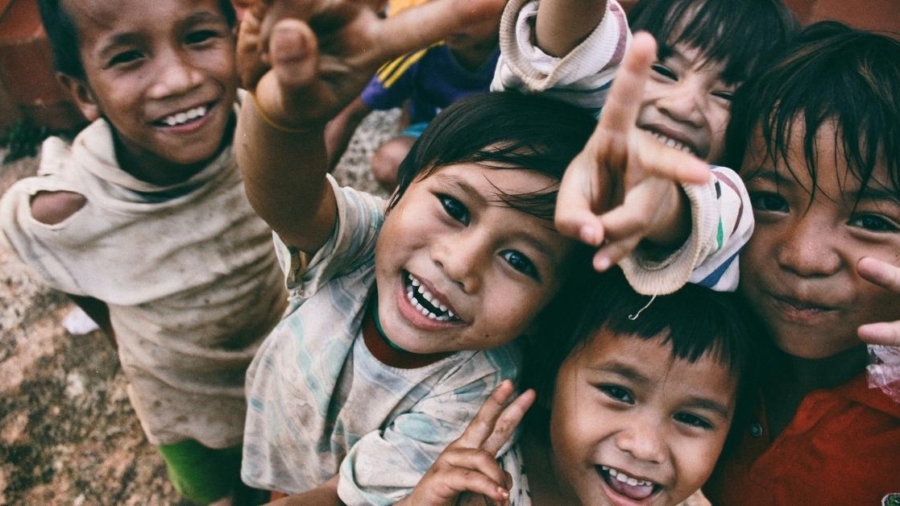
Embracing a sense of cultural diversity at a young age will provide children with the insight and understanding that are often required during adulthood. So, it stands to reason that celebrating culture within the classroom is an excellent way to begin the process. Let’s examine six effective methods as well as the advantages of each.
Use traditional reading materials
Although we live within a digital age, the importance of traditional reading materials cannot be overstated.
It’s therefore a good idea to place reading materials associated with heroes from different cultures within the classroom.
Not only will children develop a broader understanding of the world, but their reading skills can be enhanced.
Show-and-tell sessions
Show-and-tell days are excellent ways to encourage children to become proactively involved with their peers. For instance, they could be asked to bring in an item associated with their culture or heritage.
This approach has been used for decades and it is still just as valid. Let’s also remember that teachers can passively record how students react to these sessions with the help of modern technology such as the Educater EYFS assessment tool.
International food days
Children are curious by nature and they normally love to sample different types of food. This is why teachers should take advantage of such a natural desire by promoting international food days.
There may even be times when parents can join in; a means to strengthen bonds between families living within the local community.
Encourage children to share their feelings
Children may sometimes feel strange about becoming immersed within a culture that is otherwise completely unfamiliar to them.
They should not be discouraged to express such emotions. On the contrary, those who feel comfortable displaying their feelings will be more likely to develop a sense of trust with their peers as well as adult figures.
Don’t be afraid to answer questions
There will be times when students may ask questions about the practices of a specific culture (such as the use of a dreidel or the meaning of Kwanzaa). Teachers must be prepared to address these questions in a clear and concise manner.
Remember that some questions may be more tricky to answer than others. Still, this type of guidance is always important.
A “Culture Calendar”
Why not also set up a calendar within the classroom that highlights the holidays associated with different cultures? Students will then be able to keep track of any upcoming events.
Teachers can also use these calendars to discuss the significance of specific cultural events; another way to incorporate them into educational settings.
The United Kingdom is one of the most culturally diverse nations on the planet. So, it only stands to reason that schools must be able to adopt this very same mindset.
All of the techniques outlined above can be employed and yet, never be afraid to perform additional online research in order to discover even more innovative approaches.
Disclosure: this is a collaborative post