
The bathroom is, naturally, one of the most essential rooms in the home, vital for our every day routines, and it should be a place where we can feel comfortable and safe.
However, that feeling can quickly be dashed away when you start to see the spread of those little black dots, be it on your walls, ceiling, or even on the furniture that you keep in there.
Here, we’re going to look at what you can do to handle mould in the bathroom once and for all.
Identifying and finding mould
Mould is perhaps most recognisable by its look. Most mould looks like little fuzzy black spots that spread across the surfaces that they affect.
However, if you can’t see mould, but you can smell a musty, overbearingly damp smell, then there may be hidden mould in the bathroom. If this is the case, you need to inspect the hidden areas, such as underneath the sink, under the toilet, under the bath, behind doors, and anywhere else that might regularly be “closed” to your sight.
These spouts are more likely to attract moisture due to the lack of airflow they can sometimes get, which builds up and then facilities the growth of mould, which can be expensive if it starts to spread out.
Ventilation is key
Moisture builds up in the bathroom easily, not just because of all of the water, but also because of the heat, usually generated by the shower or the bath.
This steam spreads through the room and sticks to surfaces, leaving moisture levels high, which can then attract mould growth. To that end, make sure that you invest in decent ventilation in the form of a bathroom fan. Where you place the fan is vital, too. It’s usually best to place it directly above the shower so that it sucks up and gets rid of the steam immediately.
Know how your fan runs and leave it running until at least 30 minutes are you’re done with your bath or shower, as there will be lingering humidity in the air for some time after you’re finished.
Don’t let condensation linger
It might not seem like a big deal, but condensation is a very common predecessor to mould.
This stagnant water bolsters mould growth if left to linger. As such, all you need to do is clean around any areas that have condensation with a squeegee to make sure that there are no visible droplets running down.
Of course, running your bathroom fan and leaving the window open should mean that there is less condensation in general. Either way, give those surfaces a quick wipe down after you finish using the hot water to be safe.
Protect the floors and walls
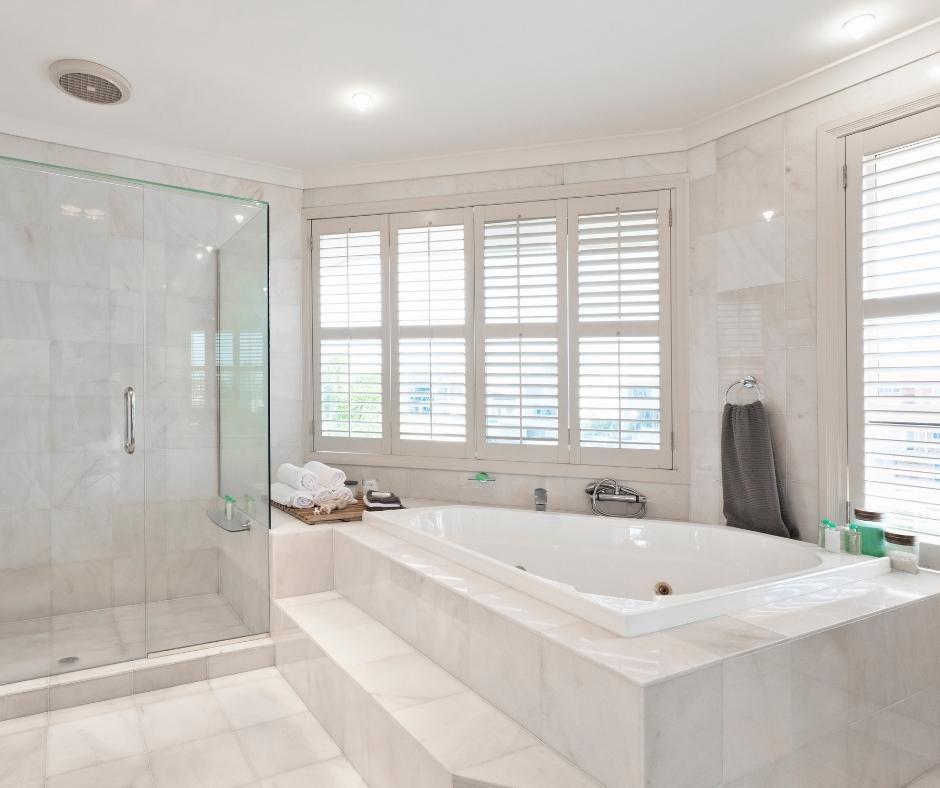
Even with good airflow, your bathroom is going to attract moisture, and this moisture tends to stick to your surfaces. Cleaning your countertops, bath, shower walls and so on is going to help keep mould away, but the main surfaces you should be aware of are your floors and your walls.
Make sure that you’re investing in waterproof surfaces such as tiles with mould-resistant grout and vinyl flooring, or whichever options still offer that protection. Furthermore, it’s best to make sure they’re installed by a professional so that you don’t accidentally leave any gaps that can be infiltrated by moisture.
Don’t forget the ceiling, either
Much as with your floors and your walls, your ceilings can be a danger zone when it comes to the spread of mould.
However, with this part of the bathroom, the risk is even more likely. People tend not to think about protecting their ceiling as much as the other surfaces, which can actually make them more susceptible and, what’s more, moisture and heat tend to rise in a bathroom, which means that your ceiling can get pretty clammy.
As such, you should make sure that you protect it, either by using anti-mould ceiling paint or with a more permanent feature like floors to ceiling panels. This way, you can seal off this most vulnerable of surfaces.
Get onto leaks as soon as possible
There is no such thing as a leak that doesn’t pose a great danger to your bathroom. Even a seemingly “minor” leak is going to lead to excessive water loss over time, and this water is either going to directly wear away at surfaces, or it’s going to lead to a build-up of stagnant water and moisture. There are few conditions that mould loves more.
You should be checking for leaks on a somewhat regular basis in the bathroom, especially if you have any reason to suspect that you might have one. If you spot any, turn off your water mains and get in touch with a plumber as soon as possible. Otherwise, you’re going to be dealing with mould and perhaps water damage and more expensive plumbing problems down the line.
Disclosure: this is a collaborative post