
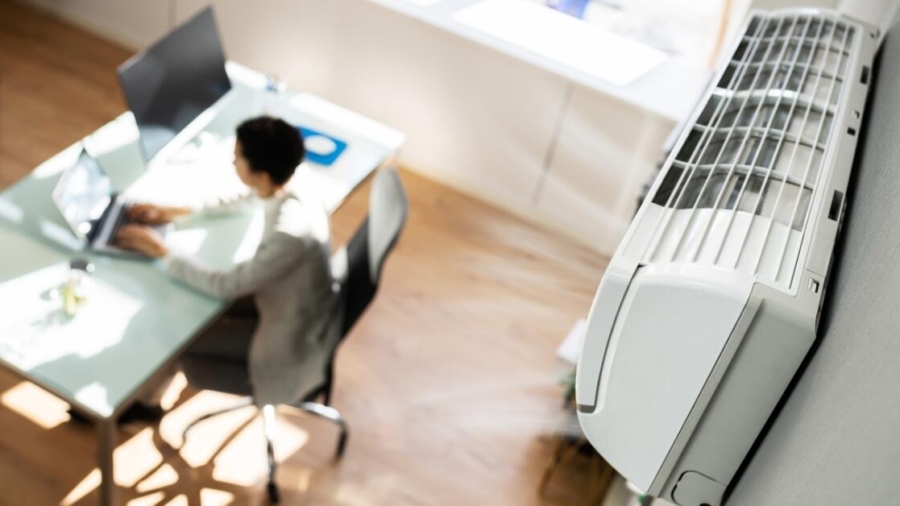
In the competitive landscape of small businesses, maintaining a comfortable and productive environment is crucial for success.
As temperatures rise during scorching summers, the need for efficient cooling solutions becomes apparent. Air conditioning plays a vital role in creating a comfortable workplace, but it can also contribute significantly to energy costs.
In this article, we will explore cost-effective cooling solutions for small businesses, focusing on air conditioning tips and strategies to optimise comfort while keeping expenses in check.
Assessing Cooling Needs and Efficiency
Before diving into cooling solutions, it is essential for small businesses to assess their cooling needs accurately. Factors like the size of the workspace, the number of employees, and the equipment present all impact cooling requirements.
By understanding these needs, businesses can make informed decisions regarding the right air conditioning system for their space.
Efficiency is paramount, as it directly affects operating costs. To ensure maximum efficiency, small businesses should consider hiring accredited air conditioning contractors who can conduct energy audits and recommend appropriate systems tailored to their specific needs.
Conducting Comprehensive Energy Audits
To determine the optimal cooling solution for a small business, conducting a comprehensive energy audit is the first step.
During the audit, accredited air conditioning contractors will evaluate the workspace’s size, layout, and thermal characteristics. They will also consider the number of employees, office equipment, and other heat-emitting devices.
By assessing these factors, contractors can recommend the most suitable air conditioning system that aligns with the business’s cooling needs and budget.
Embrace Energy-Efficient Air Conditioning Systems
One of the most effective ways to reduce cooling costs is by investing in energy-efficient air conditioning systems. Modern advancements in technology have led to the development of energy-saving HVAC systems that offer improved cooling performance while minimising electricity consumption.
These systems may have a higher upfront cost, but they can significantly reduce long-term operational expenses.
Understanding SEER Ratings
Small businesses should pay close attention to the Seasonal Energy Efficiency Ratio (SEER) ratings of potential air conditioning units.
SEER ratings indicate the cooling efficiency of the system during a typical cooling season. Higher SEER ratings signify greater energy efficiency and lower operating costs. It is recommended to opt for air conditioning systems with SEER ratings of 14 or higher for maximum cost-effectiveness.
Programmable Thermostats for Optimal Control
Commercial air conditioning contractors can guide small businesses in selecting the right energy-efficient units, considering factors such as SEER ratings, smart thermostats, and programmable settings.
Programmable thermostats allow businesses to set temperature preferences based on occupancy and time of day.
By creating temperature schedules that coincide with office hours and weekends, businesses can optimise comfort while reducing unnecessary cooling during non-operational hours. This precise control prevents energy wastage and leads to considerable cost savings over time.
Regular Maintenance and Air Filter Replacement
Regular maintenance is vital to keeping air conditioning systems running optimally and extending their lifespan.
Small businesses should schedule routine maintenance checks with accredited air conditioning contractors to ensure that all components are functioning correctly.
The Importance of Routine Maintenance
Routine maintenance involves inspecting the air conditioning system, cleaning coils, checking refrigerant levels, and ensuring proper airflow.
Regular servicing not only improves cooling efficiency but also helps identify and address minor issues before they escalate into costly repairs.
Timely Air Filter Replacement
Timely replacement of air filters is essential for efficient airflow and indoor air quality. Clogged filters can reduce the system’s efficiency and lead to higher energy consumption.
Businesses should adhere to a strict filter replacement schedule and consider using reusable filters to cut down on operational costs.
Implement Smart Temperature Control
A considerable portion of cooling costs can be attributed to inefficiencies in temperature control.
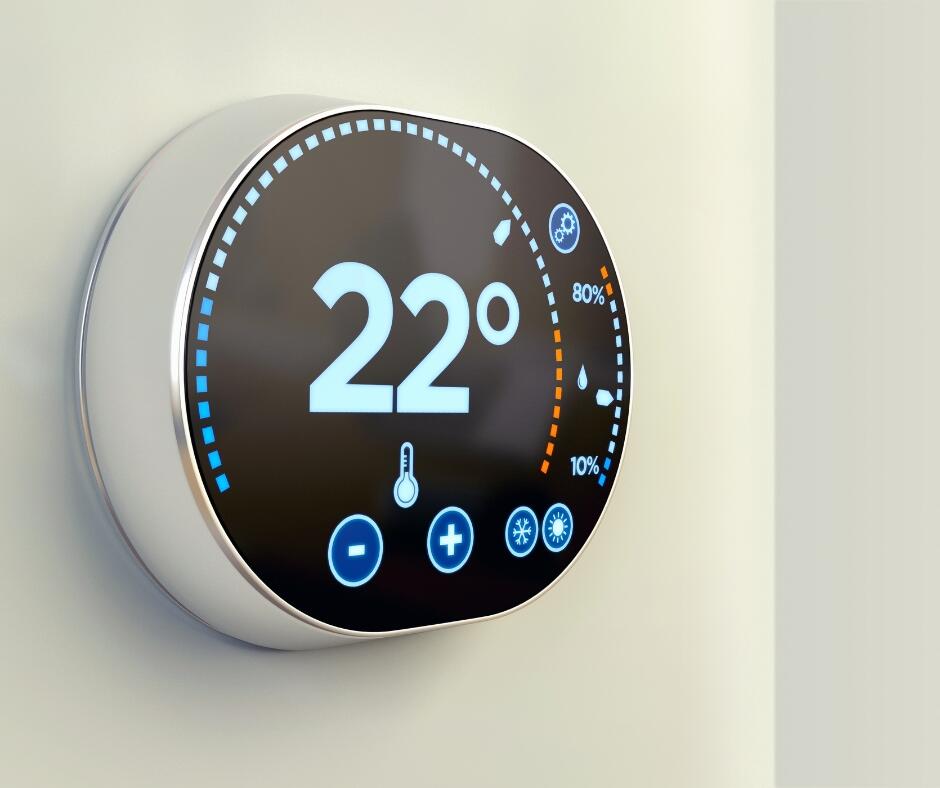
Small businesses can benefit from installing smart thermostats that allow precise temperature regulation based on occupancy and time of day.
These advanced thermostats can automatically adjust the cooling settings, ensuring that the workspace remains comfortable during business hours and conserves energy during off-peak times.
Embracing IoT-Enabled Thermostats
IoT (Internet of Things) enabled thermostats provide businesses with remote access to their cooling systems.
Owners and managers can monitor and adjust temperatures from their smartphones or computers, even when they are away from the office. This level of control helps prevent unnecessary cooling when the office is unoccupied, leading to additional cost savings.
Zone Cooling for Targeted Comfort
For businesses with larger workspaces, zone cooling can be an effective cost-saving measure.
Instead of cooling the entire area uniformly, zone cooling divides the space into separate areas with individual temperature controls.
This allows businesses to concentrate cooling efforts where they are needed the most, reducing energy wastage in unoccupied or less frequented zones.
Identifying Cooling Zones
Commercial air conditioning contractors can assess the office layout and determine the most suitable cooling zones based on occupancy patterns and heat-generating equipment.
By dividing the workspace into zones, businesses can set different temperature preferences for each area, optimising comfort while managing cooling costs efficiently.
Leverage Natural Ventilation and Shade
Incorporating natural ventilation strategies can be beneficial, especially during milder weather conditions.
Opening windows strategically and using window coverings can help circulate fresh air and maintain a comfortable indoor temperature without relying solely on air conditioning.
Cross-Ventilation for Improved Airflow
Businesses should identify areas with windows on opposite sides of the workspace and strategically open them to create cross-ventilation.
This natural airflow can reduce the need for continuous air conditioning during moderate weather, saving energy and costs.

Exterior Shading Techniques
Similarly, utilising exterior shading techniques, such as awnings or window films, can prevent excessive heat gain and reduce the workload on air conditioning units.
By blocking direct sunlight from entering the workspace, businesses can maintain cooler indoor temperatures naturally.
Optimise Insulation and Sealing
Proper insulation is crucial for maintaining a consistent indoor temperature and preventing cooled air from escaping.
Businesses should inspect and upgrade insulation as necessary, paying special attention to windows, doors, and other potential air leakage points.
Sealing Air Leaks
Identifying and sealing air leaks is a cost-effective measure that improves cooling efficiency.
Gaps around windows and doors, as well as poorly insulated walls, can result in conditioned air escaping and warm air infiltrating the workspace. Weatherstripping and caulking can effectively seal these leaks, leading to energy savings.
Window Upgrades
Replacing single-pane windows with double-pane or energy-efficient windows can enhance insulation and reduce heat transfer, resulting in more efficient cooling and potential cost reductions.
In conclusion, small businesses can achieve cost-effective cooling solutions by adopting strategic approaches to air conditioning.
By partnering with accredited air conditioning contractors and commercial air conditioning contractors, businesses can accurately assess their cooling needs and invest in energy-efficient systems. Regular maintenance, smart temperature control, and zone cooling techniques further contribute to optimal cooling and reduced operational expenses.
Additionally, leveraging natural ventilation and improving insulation enhances the overall effectiveness of cooling strategies.
With these comprehensive tips and strategies in mind, small businesses can create a comfortable and productive environment while keeping cooling costs under control.
Disclosure: this is a collaborative post