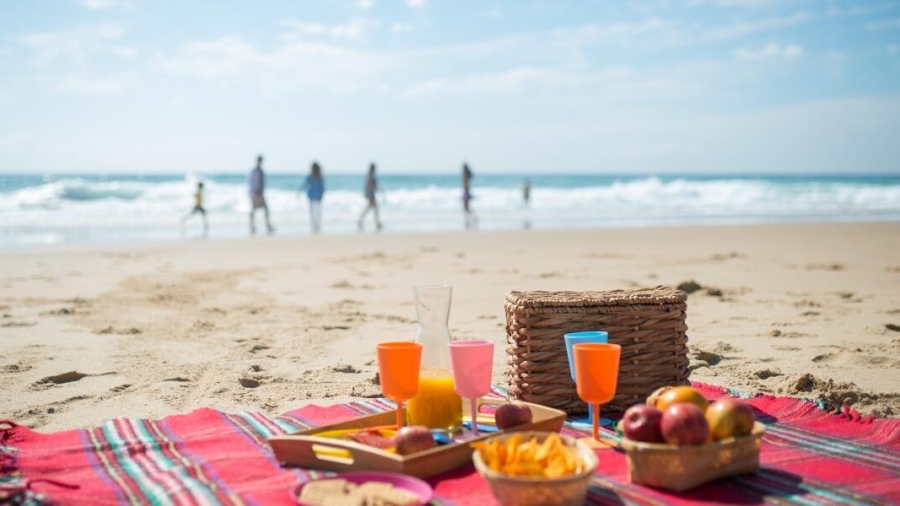
holidays for teens

How to find holidays that are better value for teens

Planning a family holiday that pleases everyone can feel like an impossible puzzle, especially when teens are involved. They’re at that tricky stage where they crave independence but still depend on you to organise everything. 

Holidays can quickly become expensive and finding options that balance fun, and affordability requires a little creativity. 

Travel during the off-season

One of the simplest ways to save money is by avoiding peak travel times. Flights and accommodation are significantly cheaper outside typical school holidays dates and destinations are often quieter, allowing your teens to enjoy attractions without the crowds. 

If term-time travel isn’t an option, look for fringe periods such as the beginning or end of holiday seasons. For instance, a late August trip to southern Europe might be more affordable than a mid-July one. 

It also helps to research weather and climate as shoulder seasons often offer milder temperatures, which are better for activities like hiking or sightseeing. You could also consider midweek departures or last-minute deals. 

Consider alternative destinations

Teen-friendly holidays don’t have to centre on the usual tourist hotspots. Sometimes, less popular destinations offer richer experiences and better value. 

When choosing a location, think about what excites your teen. Would they enjoy a trip packed with outdoor adventures or a place with a buzzing youth culture? Mountain retreats, lesser-known coastal towns or even quirky cities can all cater to their interests while keeping expenses under control.

Find the right travel provider

Look for operators that specialise in family activity holidays that have teen-focused itineraries. They often offer group discounts and include adventures such as watersports or zip-lining. 

Comparison websites and travel forums can also be incredibly useful. These tools allow you to evaluate package deals, read reviews and uncover hidden gems. Be wary of deals that seem too good to be true, though, as they often come with restrictive terms or hidden fees. Always read the fine print before booking.
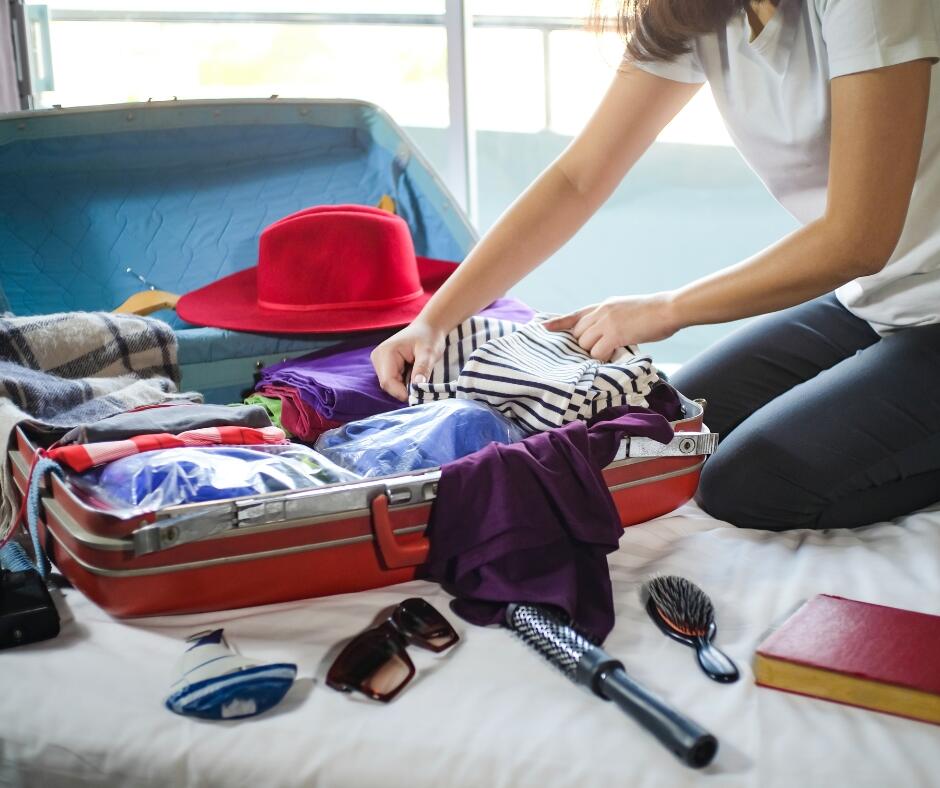
Pack smart

Packing strategically can help you avoid unnecessary expenses during your trip. Overpacking often leads to excess baggage fees, while under packing can force you into pricey last-minute purchases. 

Encourage your teens to bring reusable water bottles, which can save money and reduce waste. If your trip involves a lot of walking or exploring, lightweight backpacks can help carry snacks and essentials, avoiding overpriced food at tourist hotspots.

Utilise travel apps and websites

Modern technology is your secret weapon for planning affordable holidays. Apps and platforms can help you find the cheapest flights and accommodation options to suit your budget. Some apps even provide discounts for users who book directly through them.

Involve teens in the planning process

Finally, teenagers are more likely to engage with a holiday if they’ve had a say in the planning. Ask for their input when choosing activities or destinations. They may surprise you with creative ideas or uncover budget-friendly activities that you hadn’t considered.

Disclosure: this is a collaborative post
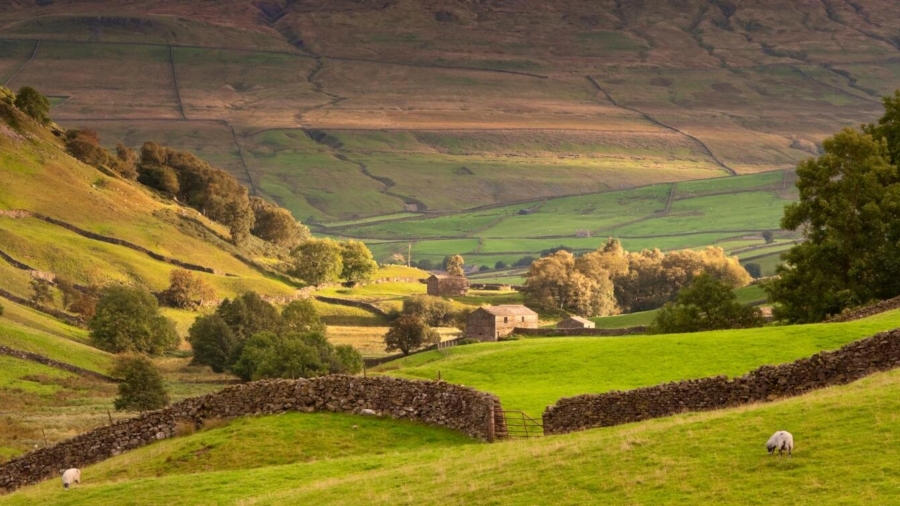
The Best of Yorkshire

The best of Yorkshire: Scenic drives & local experiences

When it comes to staycation destinations, it’s difficult to beat Yorkshire. A short road trip through this part of the UK might expose you to natural wonders, rich history, and amazing culture. You might, in fact, have more experiences to consider than you have time to get through. So, if you’re visiting Yorkshire, what should you prioritise?

Coastal Route

The North York Moors National Park sits just to the south of Middlesborough. To the East, you’ll find the coastal towns of Scarborough and Whitby, both of which offer an amazing experience to visitors. One notable route will take you from Scarborough to Guisborough, with its beautiful ruined priory. Along the way, you’ll see plenty of untamed moorland, along with picturesque little streams and amazing views of the North Sea.

Yorkshire Dales Loop

Drive through the heart of the Dales, and you’ll find a wealth of stirring scenery, with limestone outcroppings and cliffs occasionally looming on one side of the road or other. There are verdant, lush valleys, where a number of quaint little market towns are nestled. Exploring them all can be tremendously rewarding.

Peak District Panorama

Further south we find the Peak District, which is defined by the stirring landscape from which it takes its name. Ascend one of the major peaks, and you’ll be treated to stunning panoramic views of the surrounding countryside. For those who’d like to spend time hiking, it’s an obvious choice.

Historic Route

There are a number of incredible landmarks and buildings in Yorkshire. For much of British history, this part of the country was among the most important. If you’d like to explore the county’s history, there are a number of places worth visiting. These include the Yorkshire Museum and the Jorvik Viking Centre, as well as St Michael Le Belfrey, which is an Anglican church in York itself. Of course, there’s also the amazing York Minster Cathedral, which is among the largest and most impressive in the entire country.

In conclusion

Whether you’re looking for amazing architecture, or picturesque little villages and market towns, the chances are good that you’ll find it in Yorkshire. Getting the most from your travels in this part of the country, however, often means coming up with a good itinerary before you set out. This might even involve picking up a vehicle just for the trip. You can find plenty of used car dealerships in Leeds, for example.

Come up with a list of places you’d like to visit and things you’d like to see, and then design your route accordingly. You might find that your trip becomes more affordable and less blighted by crowds if you’re willing to travel outside of peak season.

Disclosure: this is a collaborative post

Best family holiday locations for 2025

Best family holiday locations for 2025

Planning the perfect family holiday can feel like a challenge, but it’s also one of the most rewarding experiences you’ll share.

Whether your family loves building sandcastles on golden beaches, embarking on thrilling outdoor escapades, or unwinding in still surroundings, there’s a destination waiting for you. 

Let’s explore some of the top family holiday locations for 2025, with tips to make your trip truly unforgettable.

For Beach Lovers

The Algarve in Portugal offers stunning beaches, calm waters, and family-friendly resorts. Praia da Rocha and Praia de Albandeira have soft sands and gentle waves, ideal for young children. 

You can also book a boat trip to explore hidden caves and spot dolphins, adding a slice of adventure to your seaside retreat.

Closer to home, Cornwall in the UK provides breathtaking beaches like Fistral Beach in Newquay, perfect for surfing lessons. For a more laid-back experience, head to St Ives for a mix of sandy shores and quaint cafés.

To ensure your holiday is hassle-free, pack plenty of sunscreen and water toys for the kids. Renting a beach cabana or parasol can provide a shady retreat for midday relaxation.

For Adventurous Families

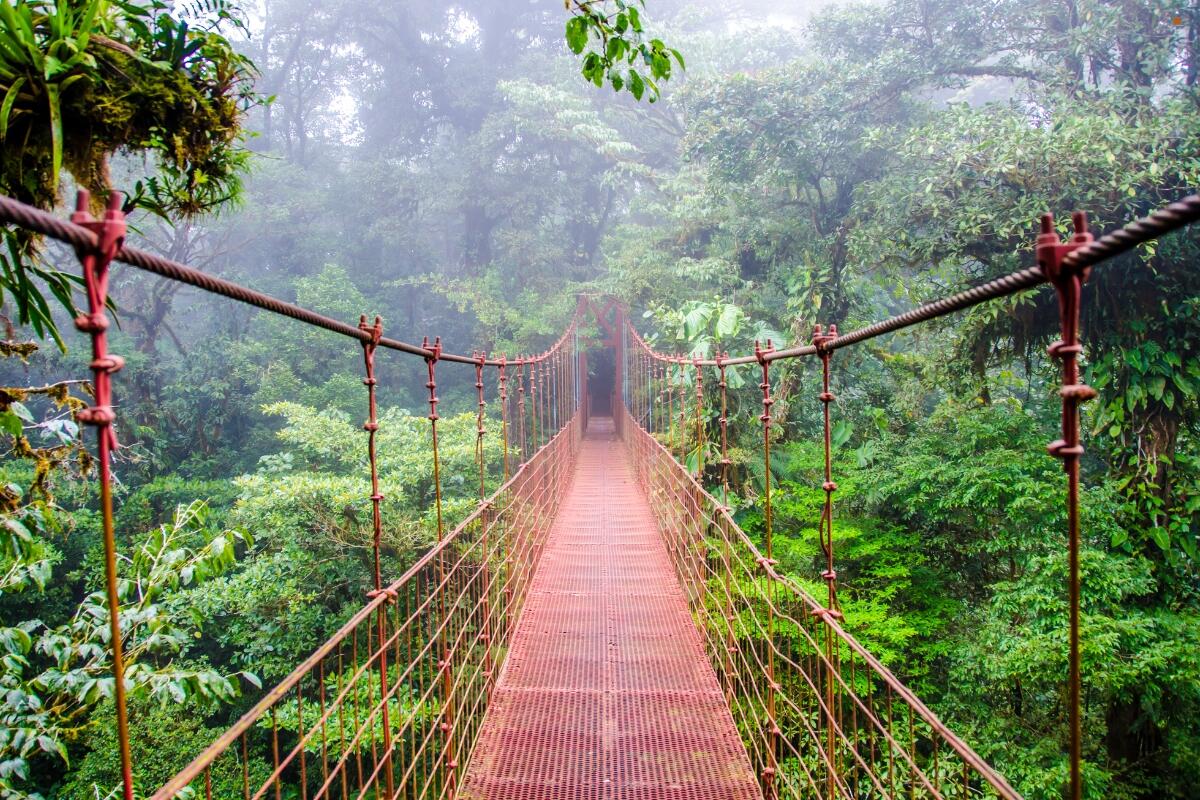
Costa Rica offers a unique combination of adventure and natural beauty. You can hike through lush rainforests, spot exotic wildlife, zipline across canopies, and soak in natural hot springs. A visit to the Arenal Volcano National Park provides endless thrills for kids and adults alike.

If you’re looking to head to Europe, the Austrian Alps are a year-round wonderland. During summer, hike picturesque trails and bike through verdant valleys. Winter transforms the region into a snowy playground, made for skiing and sledging. 

Family-friendly hotels and chalets in Austria often feature on-site kids’ clubs and guided activities, making it easier to relax while the children stay entertained.

To get the most out of an adventure holiday, research age-appropriate activities and book ahead to secure spots for popular excursions. A sturdy pair of hiking boots and a camera to capture your memories are essentials for this type of trip.

For Relaxed Getaways

Consider choosing a luxury family holiday in Tuscany, Italy for a charming mix of rolling vineyards and historic towns. Many agriturismo accommodations welcome families with open arms, providing home-cooked meals and outdoor pools for the kids to splash around in. 

Spend your days exploring medieval villages like San Gimignano, or simply delight in a leisurely meal under the Tuscan sun.

If you’d rather stay closer to home, consider the Lake District in England. With its tranquil waters, and scenic walking trails, it’s a serene escape for all. 

Take a boat ride on Lake Windermere or pack a picnic to enjoy by Derwentwater. You can also visit The World of Beatrix Potter, a delightful attraction for younger children.

To make your relaxing getaway smooth, plan a loose itinerary that balances exploration with downtime. Choose accommodations that suit your family’s needs, such as self-catering options or hotels with childcare facilities, so everyone gets the rest they deserve.

Disclosure: this is a collaborative post
How to become a digital nomad

How to become a digital nomad

Ever scrolled through Instagram and seen someone working from a beach in Bali, laptop perched precariously next to a coconut? It might look like a dream – but it’s a reality you can create for yourself with a bit of planning and the right mindset. 

Becoming a digital nomad isn’t just for influencers or tech geniuses. With the rise of remote work, flexible schedules and online platforms, living and working from anywhere has never been more achievable.

Whether you’re stuck in a nine-to-five rut or simply want more freedom, here’s exactly how to make the digital nomad lifestyle work for you.

Develop in-demand skills

Before you start dreaming about exotic locations, you need to make sure you can actually earn a living remotely. Digital nomads thrive on skills that are both in demand and portable. These include coding, graphic design, copywriting, marketing and even teaching English online.

If you already have a skill that fits the bill, you’re halfway there. If not, invest in learning one. Many online platforms offer affordable courses to help you level up. Focus on practical, marketable skills you can start using straight away – employers and clients care about your practical experience over the certificates on your wall.

Find remote work

Your next step is securing work you can do from anywhere. If you’re already employed, check if your job offers a remote option. It’s worth having an honest conversation with your boss about shifting to remote work – outline how it could benefit both you and the company.

Alternatively, consider freelancing or consulting. Websites like Upwork, Fiverr and LinkedIn are goldmines for landing clients. Remember, you’ll need to sell yourself – tailor your CV, polish your portfolio and practise pitching your skills confidently.

Set up your workspace

As a digital nomad, your office can be anywhere – but it still needs to be functional. Invest in reliable tech, including a lightweight laptop, noise-cancelling headphones and portable chargers. A VPN is also essential to keep your data secure on public Wi-Fi.

If you’re serious about staying productive, prioritise good ergonomics. Bring a laptop stand and an external keyboard to avoid slouching over your screen. Choose accommodations or co-working spaces with stable internet. 

Plan your finances

To keep your new lifestyle sustainable, you need to get smart about money. Start by building a budget and cutting unnecessary expenses. Make sure you have an emergency fund – aim for at least three months’ worth of living costs.

Incorporating passive income streams is also a game-changer. Platforms like Tradu allow you to trade and build a steady income, even while you’re off exploring new cities. Just make sure you research thoroughly and stick with reputable platforms.

Factor in health insurance and tax obligations as well. Some countries require special visas for digital nomads, so check your legal options before you go.

Embrace the digital nomad lifestyle

Finally, remember that being a digital nomad isn’t just about work – it’s a lifestyle. Say yes to exploring new cultures, meeting other travellers and breaking free from the nine-to-five grind.

It’s not always as glamorous as it looks on Instagram, but it’s infinitely rewarding. So, are you ready to trade office politics for a life of freedom and adventure? The digital nomad life is calling – go answer it.

Disclosure: this is a collaborative post

solo travel 2025

Planning exotic travel as a solo traveller in 2025

Far-flung destinations are in for 2025, according to ABTA’s latest travel trends report. The idea of jetting off to an exotic destination alone might seem daunting, but with some thoughtful preparation, you’ll find it’s one of the most rewarding ways to travel. Here’s how you can set your sights for foreign shores and make your solo adventure an unforgettable journey!

Embracing the solo travel lifestyle

It might sound cliched, but this type of travel is as much about your journey as it is about your destination. 

Try to embrace the independence it brings, rather than fear it. Travelling alone allows you to fully control your itinerary, seek out your interests and move at your own pace. This freedom can be liberating, but it also requires a willingness to trust yourself and step outside your comfort zone.

You could practice in small ways before your trip, such as dining alone or exploring a nearby city. You’ll often meet like-minded travellers and locals on the go, so be open to conversations and connections along the way.

Choosing your location(s)

The world is your oyster – but consider places that are solo-friendly with a sense of adventure. Southeast Asia remains a top choice with its mix of affordability, vibrant cultures and welcoming communities. Picture Thailand’s islands, Cambodia’s temples and Vietnam’s street food scenes…

Escorted tours to India are another option that may help ease your way into solo adventure. Companies offer curated trips that combine discovery with the safety of a group environment, allowing you to experience places like Rajasthan’s palaces or Kerala’s backwaters without the stress of going it entirely alone.

Taking care of logistics

Next, it’s time to map out your trip. Book your accommodation in advance, especially if you’re visiting during peak seasons. You could look for hostels, guesthouses or hotels that host communal events and make it easier to meet others.

You’ll also want to pre-book some guided tours or experiences while leaving room for spontaneity. Blogger sites, online forums and fellow travellers can give you recommendations. If you’re venturing into remote or rural areas, research transport and local customs to avoid unnecessary stress. 

Keeping it safe and fun

Going solo brings a few extra safety considerations, so share your plans with someone back home and check in regularly. Otherwise, it’s standard stuff: 

  • Keep your belongings secure and stay aware of your surroundings, especially in crowded areas or after dark. 
  • Get any necessary vaccinations well ahead of your trip. 
  • Stay hydrated, particularly in tropical climates, and be cautious about street food and tap water. 

Finally, focus on enjoying your journey. By planning well and staying open to experiences, you’ll not only see the world, but grow in ways you never imagined. So, take the leap!

Disclosure: this is a collaborative post
Airport Hotels Decoded

Airport Hotels Decoded: Practical Budget Guide: Ideal stays without breaking the bank.

Airport hotels do not receive the amount of attention they deserve, and we want to change that. How are we planning to accomplish this huge task? By tackling the main reason why many people avoid them. This brief but practical budget guide aims to show that everyone can afford a pleasant stay at such hotels without breaking the bank. If you have your doubts about that, prepare to not only be amazed but also know what to do in case a stay at an airport hotel is your best option. 

Tip 1: Book in Advance

Although we rarely see huge fluctuations in hotel room pricing, prices are affected by demand. Most people leave the task of making booking arrangements until the last minute.

Don’t fall into that trap, and find the ideal room at the best price by simply starting searching for options about two weeks before the trip. It might sound irrelevant, but this simple time-related factor can make a difference. 

Tip 2: Compare Rooms Online

The internet is a key tool to use before you make any type of purchase, for either a product or a service. This is because it allows you to find the best deals of the specific thing you are after and compare them so that you can be certain that you’ve made the right choice.

In our case, you can view affordable airport hotels on bookfhr.com, and after you have compared them, book the ideal deal for you online. This time- and money-saving tip will improve all aspects of your travel and everyday life.  

Tip 3: Know your Needs

When it comes to paying for a service, you should put the effort into learning exactly what you’re paying for. This means not to take anything for granted.

You may see a TV in an airport hotel room, but watching TV might not be included in the standard price deal you’ve chosen. Another legitimate example is that many people are surprised when they are asked to pay extra if they want to access the airport hotel Wi-Fi.

Thus, if you want to find the truly best and affordable airport hotel deal for you, you need to ensure that the things and services that you need for your stay are included. You can do that by carefully reading the room description. And if you have questions, call or email the hotel. 

Tip 4: Travel during Off-season

Let’s explore another way in which the timing of your trip affects the amount of money you need to spend on travel. A widely known travel fact is that during peak-season (that is usually in summer or during the Christmas holidays) everything is more expensive.

You can avoid overpriced services (and overcrowded spaces) by choosing to travel during off-season. Actually, the weather in spring and autumn is pleasant in most places in the world, allowing tourists to explore freely and get a real taste of the everyday life of the locals in their destination. 

Disclosure: this is a collaborative post

Modern art meets science

Modern art meets science: aesthetic solar battery designs for urban landscapes

Imagine strolling through your city’s bustling streets, surrounded by towering skyscrapers and busy sidewalks, when you suddenly stumble upon a serene park. Here, benches and lamp posts are not just functional but also breathtaking pieces of modern art, seamlessly integrating nature with cutting-edge technology.

Welcome to the world where modern art meets science, and aesthetic solar battery designs transform our urban landscapes into sustainable, energy-efficient havens.

The Intersection of Art and Technology

As you look around, you might notice that these beautiful installations are not just for show. They serve a dual purpose: harnessing the power of the sun and providing clean energy to our cities. Solar batteries have become an integral part of our quest for sustainable living.

Gone are the days when solar panels were eyesores on rooftops; today, they are works of art that complement our urban environments.

Consider the case of Esquire Park, a once neglected area named after a local legend known for his flair and sophistication. The community decided to revitalize the park with an array of solar-powered sculptures.

These elegant structures not only provide energy but also tell the story of Esquire’s legacy, blending history with innovation. The solar battery cost for such projects might seem daunting, but the long-term benefits and savings are immeasurable.

Lenoir’s Vision: A City Transformed

Let’s take a journey to Lenoir City, where visionary artist Lenoir created a series of solar-powered installations that transformed the urban landscape. Lenoir’s works are not just about aesthetics; they reflect his deep commitment to sustainability.

Imagine walking through Lenoir’s Garden, where every flower and tree is integrated with solar batteries, providing a constant source of renewable energy.

Lenoir’s approach was to create harmony between art and technology, proving that functional objects could be beautiful.

His solar battery installations are scattered throughout the city, from streetlights to bus stops, each piece a testament to his belief that technology should enhance our environment, not detract from it.

The solar battery cost was a significant investment, but the city now enjoys reduced energy bills and a vibrant, engaging public space.

Hans’ Innovative Designs: The Future of Urban Planning

Hans, an innovative designer with a knack for thinking outside the box, envisioned a future where cities are not just places to live and work but also hubs of creativity and sustainability.

His passion for merging art and technology led to the creation of stunning solar battery designs that captivate and inspire.

In one of Hans’ most notable projects, he transformed a dreary urban plaza into a dynamic space filled with interactive solar-powered installations. Each piece responded to the movement and presence of people, creating a living, breathing environment.

The solar battery cost for these installations was offset by the increased foot traffic and tourism they generated, proving that investing in aesthetic solar designs can have economic benefits as well.

Making Solar Batteries Affordable and Accessible

You might be wondering, “How can we afford these beautiful solar battery installations in our city?” The good news is that solar batteries cost has been decreasing steadily, making them more accessible to communities everywhere.

Governments and private companies are also offering incentives and grants to support the integration of solar technology into public spaces.

It’s essential to consider not just the initial solar battery cost but the long-term savings and environmental benefits. By investing in aesthetic solar designs, cities can reduce their carbon footprint, lower energy bills, and create inspiring spaces that enhance the quality of life for residents and visitors alike.

The Personal Touch: How YOU Can Get Involved

Now, you might be thinking about how you can contribute to this exciting movement. Whether you’re an artist, a city planner, or a concerned citizen, there are many ways to get involved.

Start by advocating for the integration of solar technology in your community. Share examples of successful projects, like Esquire Park, Lenoir’s Garden, and Hans’ innovative designs, to inspire local leaders and stakeholders.

You can also support local artists and designers who are working on solar battery projects. Attend public meetings, join community groups, and participate in fundraising efforts. Every little bit helps, and your voice can make a difference in creating a more sustainable and beautiful urban environment.

Embracing a Brighter Future

As we look to the future, the marriage of art and science in the form of aesthetic solar battery designs promises to reshape our cities. These innovations not only provide clean energy but also enhance our public spaces, making them more engaging and enjoyable. The solar battery cost is an investment in our future, one that pays dividends in environmental, economic, and social benefits.

So next time you walk through your city, imagine the possibilities. Picture a world where every corner is not just functional but also a work of art, where technology and nature coexist in perfect harmony. This is the future we can create together, one solar battery at a time.

Disclosure: this is a collaborative post