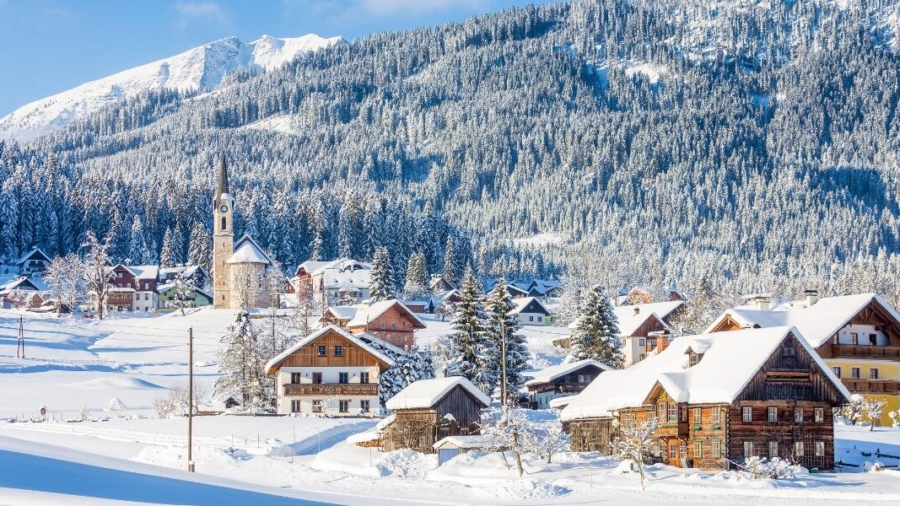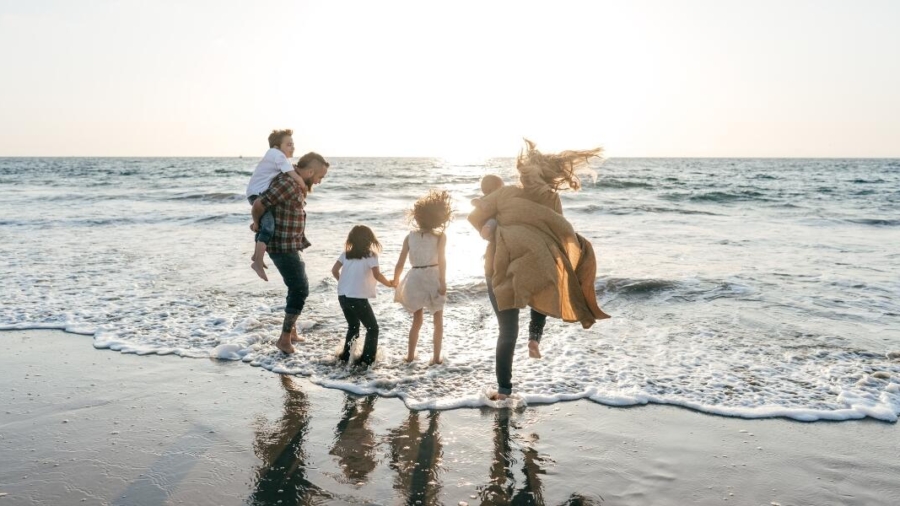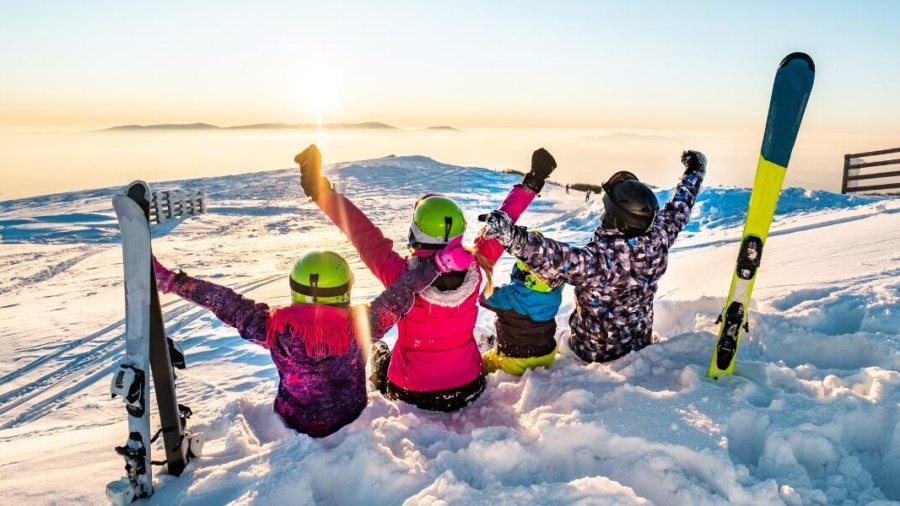
Smart ways to save on family ski trips

Smart ways to save on family ski trips and enhance your winter getaway

Planning a family ski trip involves careful budgeting to ensure a stress-free and enjoyable experience. With expenses ranging from travel to accommodation, families need smart strategies to keep costs under control. Discover how efficient planning can make your winter getaway memorable without financial strain.

Budgeting for a family ski trip is crucial to avoid unnecessary stress and financial surprises. A well-planned budget helps you prioritise key elements like travel, lodging, and ski equipment. By mapping out expenses ahead of time, families can enjoy their holiday knowing they are within their financial means. The route from Lyon to Val Thorens is a popular choice for many, offering scenic views and efficient travel options.

Financial planning

Effective financial planning is the backbone of any successful family ski trip. Begin by listing all potential expenses, including flights or train tickets, accommodation, and ski passes. This initial step provides a clear picture of the total budget required for the trip. It’s wise to allocate funds for unforeseen expenses, ensuring that unexpected costs don’t derail your plans.

Accommodation often represents one of the largest expenditures on a ski holiday. Consider booking early to take advantage of discounts or special deals offered by hotels and resorts. Opting for self-catering apartments can further reduce costs by allowing you to prepare meals rather than dining out. This approach not only saves money but also adds a personal touch to your family meals.

For ski equipment, renting can be more economical than purchasing if you don’t ski regularly. Many resorts offer rental packages that include skis, boots, and helmets at competitive rates. These packages provide flexibility, allowing you to select gear suited to your experience level without the long-term commitment of ownership.

Cost-saving strategies

Savvy cost-saving strategies can significantly cut down the overall expenses of your ski holiday. One effective method is booking transfers in advance. Pre-booking not only ensures availability but often comes with lower rates compared to last-minute arrangements. Exploring group transfer options can also reduce costs while still providing convenience.

Consider travelling during off-peak times when prices for flights and accommodations tend to be lower. Mid-week departures and arrivals are often cheaper than weekend travel. This tactic helps avoid peak crowd levels, offering a more relaxed experience on the slopes as well.

Look out for package deals that combine various elements of your trip into one discounted price. Some tour operators offer bundled deals that include lift passes, equipment hire, and lessons at reduced rates. These packages simplify planning while ensuring significant savings.

Choosing the right route

Selecting the right travel route is pivotal in managing costs effectively. Routes like Lyon to Val Thorens offer both efficiency and scenic appeal, reducing travel time while providing breathtaking views of the French Alps. These routes are well-served by various transportation options, including trains and buses, each catering to different budget needs.

The proximity of major airports like Lyon-Saint Exupéry makes it an ideal starting point for those heading to Val Thorens. From here, numerous transfer services provide direct access to the resort, making it easy for families to reach their destination without hassle. Planning your journey through such strategic routes can enhance your travel experience while keeping costs in check.

When considering transportation, weigh the benefits of shared versus private transfers based on your family’s size and comfort preferences. Shared transfers often come at a lower cost but may involve longer wait times, whereas private transfers offer convenience at a higher price point.

Maximising family fun

A well-structured budget ensures that families can maximise their enjoyment on a ski trip without constant worry over finances. Allocating funds wisely allows you to indulge in activities like snowboarding lessons or guided mountain tours that might otherwise seem extravagant.

Many resorts offer complimentary or discounted activities such as ice skating or snowshoeing excursions. Participating in these events provides entertainment without extra costs and enriches the holiday experience. Taking advantage of such opportunities ensures diverse experiences tailored to all family members’ interests.
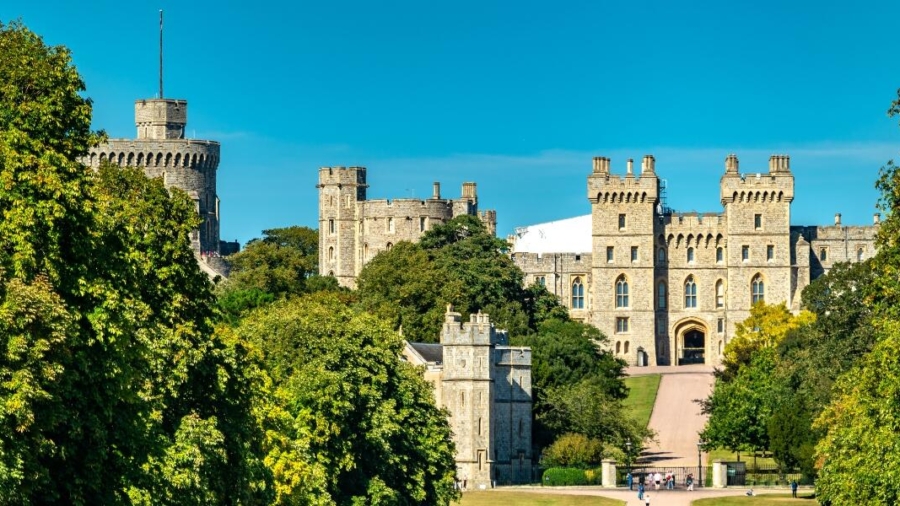
Exploring Historical Sites with Comfort and Confidence

Exploring Historical Sites with Comfort and Confidence

Visiting historical sites is an enriching way to connect with the past. From grand castles to centuries-old marketplaces, these destinations offer a window into how people once lived, worked, and travelled. For many, the charm lies in wandering cobbled streets, exploring ancient stonework, and stepping inside buildings that have stood for hundreds of years.

The experience becomes even more rewarding when you can take your time, navigate comfortably, and focus on the details that make each site unique.

Whether you are planning a full day of sightseeing or a shorter, more relaxed visit, preparing ahead can help you enjoy every moment without unnecessary strain.

Planning Your Visit with Accessibility in Mind

Before heading out to explore, it helps to research the layout and accessibility features of the site you want to visit. Some locations have uneven ground or steps, while others provide ramps, lifts, or smooth pathways that make moving around easier.

Checking online resources, calling ahead, or reading recent visitor experiences can give you a clear idea of what to expect. This preparation ensures you can choose sites that suit your comfort level and energy for the day.

If you need specialist equipment, you might find value in visiting a mobility shop where you can find the right solution so you can explore with confidence and ease.

Making the Most of Entry Points and Facilities

Many historical attractions have more than one entrance. Choosing the right entry point can make a significant difference to your visit, especially if one route has fewer steps or is closer to the areas you want to explore first.

Facilities such as accessible toilets, resting areas, and shaded spots can also make a day out much more enjoyable.

Familiarising yourself with their locations before your trip means you will spend less time searching and more time experiencing the site itself.

Navigating Historic Pathways and Surfaces

Cobbled streets, stone steps, and grassy courtyards may look beautiful, but they can sometimes make moving around a little more challenging.

Wearing comfortable shoes with good grip can help, as can pacing yourself and taking regular breaks. Where available, stick to maintained paths that offer smoother surfaces.

If you have mobility support, such as a walking aid or powered chair, these routes can make the visit much more straightforward while still allowing you to see the key features of the site.

Joining Guided Tours for Insight and Support

Guided tours can be a practical and informative way to enjoy a historical site. Not only do they provide expert commentary that brings the past to life, but the routes are often chosen to be as accessible as possible.

Many guides are happy to adjust the pace or suggest alternative routes if parts of the site are harder to reach. Group tours can also offer a sense of structure to your day, ensuring you see the highlights without feeling rushed.

Timing Your Visit for the Best Experience

The time of day can affect how busy a site is and how easy it is to move around. Arriving earlier in the morning or later in the afternoon often means fewer visitors, allowing you to explore more freely.

Seasonal changes can also influence your comfort; mild weather makes it easier to spend longer outside, while cooler months may be quieter and more peaceful. Choosing the right timing helps you focus on the architecture, stories, and atmosphere without distraction.

Exploring Indoor and Outdoor Areas

Historical attractions often combine indoor and outdoor spaces. Indoor areas, such as museums, halls, or chapels, usually have smoother floors and climate control, which can be a welcome break during a long visit.

Outdoor sections may require more planning, particularly if the terrain is uneven or the weather is unpredictable.

Switching between the two throughout your day can balance comfort and adventure, allowing you to experience everything the site has to offer.

Using On-Site Services to Your Advantage

Many locations provide services designed to improve accessibility for visitors. This might include loan equipment, such as wheelchairs, or shuttles that move people between different parts of a large estate.

Some sites have volunteers stationed throughout who can provide assistance or directions. Taking advantage of these services can make your day smoother and more enjoyable, letting you focus on what you came to see.

Bringing the Right Essentials with You

Carrying a few key items can make a big difference to your comfort during the day. A refillable water bottle, a small snack, and any personal mobility aids you rely on can all help you stay energised and comfortable.

A light bag or backpack can keep your hands free, making it easier to navigate steps or uneven ground. Preparing these essentials before you leave means you can focus on enjoying the experience from start to finish.

Making Future Visits Even Better

After your visit, take a few minutes to note what worked well and what you might do differently next time. Perhaps there was a particular route that made exploring easier, or a time of day when the site felt most relaxed.

Keeping track of these details helps you plan future trips that are even more enjoyable, and you might even discover other historical sites nearby that are worth adding to your list.

Enjoy More Comfortable Days Out

Historical sites are meant to be explored at your own pace, without feeling rushed or uncomfortable. By planning ahead, making use of accessible routes and facilities, and choosing the right timing, you can create a day out that is both memorable and manageable.

With the right preparation, every visit can be a chance to connect with history while enjoying the comfort and ease you deserve.

Why Mallorca Might Be the Perfect Spot for a Relaxed Summer

Why Mallorca Might Be the Perfect Spot for a Relaxed Summer

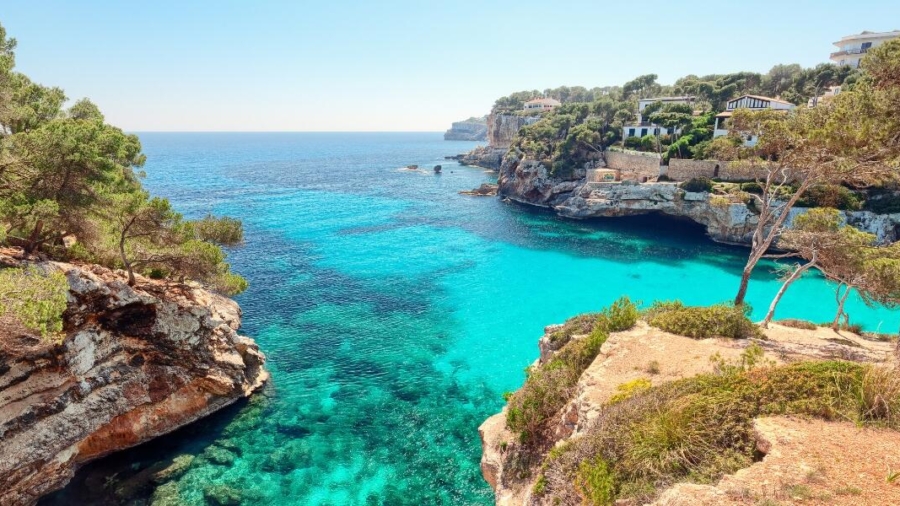
Coastal destinations often promise rest, but some still feel rushed once you get there. Finding a place that allows you to slow down makes a real difference. Mallorca offers exactly that. From peaceful beaches to quiet villages, the island creates a setting where time stretches naturally.

The atmosphere supports a gentler rhythm. Days begin slower, and plans feel more flexible. It’s not about doing everything but having the space to enjoy whatever you choose. Whether you’re visiting as a couple, solo, or with family, the sense of ease is clear.

Exploring the Coastline Without the Crowds

Much of Mallorca’s charm lives beyond its beaches. The coastline holds dozens of quiet inlets and calm stretches of sea that are best reached on the water. Exploring these areas helps you avoid packed tourist spots while still experiencing something memorable.

There’s a lot to see without going far. Short sailing routes often glide past remote coves or scenic cliffs, offering a fresh perspective. Choosing a boat tour in Mallorca is a simple way to reach these peaceful spaces. These tours are easy to arrange and blend well with a relaxed schedule.

Most leave from places like Alcúdia, Palma or Cala d’Or and run at various times, giving you plenty of flexibility. You won’t need to plan around a fixed timetable; just pick something that fits your day.

A Destination That Balances Activity and Stillness

Mallorca works well for those who like a bit of movement during their break but don’t want a schedule that feels full. It offers both freedom and calm. Towns like Sóller or Santanyí give you just enough to explore without feeling like you need to rush through a checklist.

Coastal walks, market visits, and quiet evenings on a terrace can all fit into the same trip. It’s simple to go from a slow morning at the beach to a casual walk through a nearby village in the afternoon.

This kind of balance is what makes the island so appealing. You can relax without being cut off from things to do. For anyone planning ahead, it’s worth noting that Mallorca boat trips are an option that fits nicely between beach days and evening meals. They don’t demand much time and offer a different view of the island without breaking the flow of a calm holiday.

What Slows You Down in Mallorca

Some places naturally encourage people to take things slower, and Mallorca is one of them. The daily routine can shift with very little planning. A long breakfast, a walk into town for fresh fruit, a quiet café for lunch, these details fill the day without pressure.

Evenings tend to stretch out, and many locals and travellers take dinner outside, often starting later and staying longer. Restaurants and cafés make this easy, with plenty of outdoor seating and a relaxed pace that suits the temperature and atmosphere.

This kind of routine encourages a different way of spending time. Rather than looking for things to fill it, you settle into what’s already there. It’s also where simple activities like boat trips Mallorca come in. They match the slower pace and offer a short window of exploration that still feels restful.

Family-Friendly Days Without the Rush

Planning holidays with children often brings extra layers of organisation. Mallorca helps take some of that weight off. The island has long been known as a family-friendly destination, and it shows how activities are arranged.

Shallow beaches, easy-access coves, and walkable towns mean plenty to enjoy without complex logistics. Spending most of the day in one place without anyone getting bored is easy. Cafés often have space for children to move around, and there’s a wide selection of playgrounds near beaches or parks.

For those looking for variety, boat trips in Mallorca work well across age groups. Calm waters, shaded areas onboard, and short sailing times keep things simple and enjoyable. Parents get a change of scene, and children often love the experience of being on the water. 

A Place That Feels Familiar by the End of the Week

When you stay in one part of Mallorca for several days, it feels like your own. Local routines begin to stick. You might visit the same bakery each morning or walk the same path to the beach without needing a map. The familiarity builds without much effort.

This can make a short trip feel longer, not in hours, but in comfort. It becomes easier to switch off when things feel settled. For many, that makes the difference between a break that refreshes and passes the time.

There’s no need to move around constantly. Mallorca’s towns are well-equipped, and you’ll find that staying in one spot still leaves plenty to discover. From morning markets to quiet coves, there’s always something close by without needing to plan too far ahead.

Thinking About Your Next Summer Break?

Mallorca gives you the space to relax without giving up variety. You can fill the day without rushing, and try something new without committing too much. Its coast, town, and countryside combination provides enough interest for anyone who enjoys gentle travel.

If your next summer holiday is about resting well and enjoying time at your own pace, Mallorca offers everything you need, in its quiet way.

Customising Your Campervan

Essential Tips for Customising Your Campervan Interior

Customising your campervan interior allows you to create a space that is not only functional but also reflects your personality and lifestyle. Whether you are preparing for full-time van life or simply looking to enhance your travel experience, these essential tips will help you make the most of your campervan’s interior design.

Maximising Space with Smart Storage Solutions

Storage is a key consideration when designing a campervan interior, as space is often limited. Incorporating built-in compartments, overhead storage, and multi-functional furniture can help you keep things organised without cluttering your living area. Many campervan owners turn to innovative solutions such as under-bed storage, fold-out tables, and wall-mounted organisers to make the most of the available space. For example, Love Campers suggests using collapsible containers and modular shelving to keep everything tidy and accessible.

Creating a Cosy Sleeping Area

A comfortable sleeping area is essential for a restful night’s sleep, especially when spending extended periods on the road. Designing a sleeping space that can double as a seating area during the day is a practical solution for optimising space. According to Oak Tree Motorhomes, choosing the right mattress and bedding can significantly impact comfort, while foldable or pull-out beds can enhance versatility. Additionally, thermal curtains help improve insulation, keeping the space warm and cosy regardless of the weather.

Designing a Functional Kitchen Space

A well-thought-out kitchen setup is crucial for convenience while travelling. Compact appliances, such as portable stoves and mini-fridges, can provide all the essentials without taking up excessive space. Motorhome Protect highlights the benefits of using wall-mounted racks for utensils, magnetic spice holders, and stackable cookware to maintain an organised and efficient cooking area. Additionally, installing a fold-out countertop or a slide-out kitchen setup can create additional workspace when preparing meals, making cooking on the road a hassle-free experience.

Personalising Your Campervan’s Aesthetics

Adding personal touches to your campervan’s interior helps create a welcoming and stylish environment. Selecting a colour scheme that complements your style can set the tone for the space, whether you prefer a minimalist, rustic, or vibrant aesthetic. Van and Bus suggests incorporating soft furnishings like cushions, curtains, and rugs to enhance comfort and warmth. Additionally, adding artwork, fairy lights, or wall decals can make your campervan feel more like home, creating a space that reflects your personality and makes your travels even more enjoyable.

Ensuring Practicality and Protection

While customising your campervan’s interior is an exciting process, it’s equally important to consider practical aspects such as budgeting for maintenance and securing appropriate campervan insurance. Insurance provides peace of mind by covering unexpected situations such as breakdowns, accidents, or theft, ensuring that your carefully designed campervan remains protected throughout your travels.

Customising your campervan interior is an exciting process that combines creativity and practicality. By focusing on smart storage solutions, a comfortable sleeping area, a functional kitchen, and personalised aesthetics, you can transform your campervan into a space that perfectly suits your needs. With careful planning and thoughtful design, your campervan can become a comfortable and stylish home on wheels, ready for all your adventures.

Disclosure: this is a collaborative post

austria ski holiday

Discover the Best of Austria: Your Ultimate Ski Holiday Guide for 2025

Austria is a premier destination for winter sports enthusiasts, offering stunning alpine landscapes, world-class ski resorts, and a rich après-ski culture. Whether you’re a seasoned skier or planning a family-friendly getaway, Austria’s slopes have something for everyone.

This guide explores the best ski resorts, family-friendly options, Austria’s unique ski culture, and essential planning tips for an unforgettable trip.

Top Ski Resorts in Austria: Where to Ski This Winter

Austria is home to some of the most renowned ski resorts in the world, each offering a unique experience. St. Anton is famous for its challenging slopes and lively après-ski scene, making it a top choice for advanced skiers. Meanwhile, Kitzbühel boasts a mix of traditional charm and modern facilities, with perfectly groomed pistes catering to all skill levels.

For those looking for a vibrant atmosphere, Ischgl provides excellent skiing conditions and legendary nightlife. According to Snow Magazine, these resorts consistently rank among the best in Austria, attracting skiers from around the world.

Family-Friendly Skiing in Austria: A Perfect Winter Escape for All Ages

For families, Austria offers a range of resorts that cater specifically to young skiers and beginners. Resorts such as Serfaus-Fiss-Ladis provide exceptional ski schools, dedicated children’s areas, and plenty of off-slope activities like tobogganing and ice skating.

Many resorts also feature childcare services, making it easier for parents to enjoy the slopes. As highlighted by OnTheSnow, Austria’s family-friendly ski destinations ensure that visitors of all ages have a memorable winter holiday experience.

Austria’s Ski Culture and Après-Ski Scene

Beyond skiing, Austria is renowned for its vibrant après-ski culture. From traditional mountain huts serving warm glühwein to bustling ski lodges with live music, après-ski is an integral part of the Austrian ski experience.

Resorts like St. Anton and Mayrhofen are famous for their lively après-ski parties, while others offer a more relaxed setting with fine dining and scenic views. According to SnowTrex, Austria’s après-ski culture is among the best in the world, offering something for every taste and preference.

How to Plan Your Ski Holidays in Austria: Travel Tips and Essential Info

Proper planning is key to making the most of your ski holidays in Austria. Booking accommodations early is crucial, especially during peak season, to secure the best deals and availability. Travelers can choose from various transportation options, including direct flights to Innsbruck or Salzburg, followed by shuttle services to major resorts.

Many visitors opt to rent ski equipment in advance to save time and money. As noted by Travel + Leisure, understanding resort-specific ski pass options and planning additional winter activities, such as snowshoeing and spa experiences, can enhance your trip.

A ski holiday in Austria offers a perfect blend of adventure, relaxation, and cultural immersion. Whether you’re looking for challenging slopes, family-friendly experiences, or an unforgettable après-ski scene, Austria remains one of the top winter destinations in Europe.

Disclosure: this is a collaborative post

Alternative family holiday locations

Alternative family holiday locations

The usual family holiday spots can start to feel a little predictable and while there’s nothing wrong with a classic getaway, sometimes you want something a little different.

And the good news is you don’t need to compromise on sunshine or entertainment to find a destination with a little more character.  

Tropical escapes in Cape Verde 

Long-haul island getaways don’t have to mean expensive flights and jet lag. Cape Verde holidays are perfect for families, particularly the island of Sal, with its warm, shallow waters and relaxed vibe. Stay in Santa Maria, where you’ll find colourful streets and family-friendly beachfront restaurants. 

If you fancy a break from sunbathing, take a boat trip to see wild dolphins or head to Shark Bay, where you can wade into the water and watch harmless lemon sharks swimming right up to your feet. 

The island of Boa Vista features vast dunes and lunar-like landscapes that make it feel like you’ve landed on another planet. The kids can roll down sand hills and ride quad bikes across the desert.  

Beach holidays in Albania  

The Riviera offers stunning, crowd-free beaches and a price tag that won’t have you wincing at every meal out. 

Base yourself in Ksamil, a picture-perfect coastal village with soft white sand and shallow turquoise waters ideal for little ones. Unlike some of the Mediterranean’s busier resorts, you won’t need to fight for a sun lounger and you’ll still get the full summer holiday experience.  

Take the kids on a short boat ride to the uninhabited Ksamil Islands for a real castaway adventure or explore the nearby UNESCO-listed ruins of Butrint

Educational trips in Malta 

If you like the idea of a holiday that entertains and educates, travelling to Malta offers the perfect alternative to Rome or Athens. This tiny island nation is packed with history, from prehistoric temples to medieval cities, and it’s small enough that you can explore a lot in just a week. 

Start in Mdina, the island’s old capital, where cobbled streets lead to ancient palaces and hidden courtyards. Just outside the city, the Rabat Catacombs offer an underground adventure through centuries-old burial chambers.  

Adventure holidays in Slovenia 

Lake Bled delivers in a way that keeps both adults and kids entertained. The lake itself is breathtaking, with an emerald-green hue and a tiny island topped by a fairy-tale church. 

Hire bikes and cycle the scenic 6km path that circles the lake, stopping for a slice of the famous Bled Cream Cake at a waterside café. For something more exhilarating, take a rafting trip down the Sava River, where gentle rapids provide just the right amount of thrill for families.  

If your kids love heights, head to the Vintgar Gorge where you’ll find wooden walkways clinging to the rock face, rushing waterfalls and turquoise pools. 

Disclosure: this is a collaborative post

Five tips to stay safe on the roads

Five tips to stay safe on the roads

If you’re driving on public roads, then you have an ethical and legal duty to maintain your own safety, and that of other people. Doing this is often a matter of developing a few simple habits. But exactly what are they?

Adhere to speed limits

To begin with, it’s vital that you lower your speed. The speed limit is there for a reason, and in suburban areas it’s particularly important, since surprises might lurk around every corner. Think about how long it will take you to stop the vehicle, and adjust your speed accordingly.

According to recent polling, almost three-quarters of British drivers admit to seeing the speed limit as a target, rather than a limit. More than half of respondents report that they often stray above the speed limit or consider it acceptable to do so. By taking the opposite view, you can reduce the likelihood and impact of a collision.

If you’re involved in an accident, then your speed might help to determine whether you were at fault. Whatever the circumstances of the crash, you might seek a legal remedy by consulting with experts in road traffic accident claims.

Avoid distractions while driving

Distraction is an increasingly prevalent problem on British roads. You might find your reaction times slowed down, and your attention compromised, if your attention is on your phone rather than the road ahead of you. Even taking a hands-free call can be distracting.

In fact, even a passenger who distracts you at a key moment can put you at heightened risk of a crash. Make sure that your focus is on the road at all times.

Be extra cautious around vulnerable road users

Certain road users are more vulnerable than others. While you might be protected by an enormous metal shield, the same protection is not afforded to a cyclist, or a horse rider. Make sure that you give vulnerable road users more space, and that you slow down when passing around a horse. The consequences of a high-speed collision, in these instances, might be disastrous.

Stay informed about road safety updates

The rules of the road are constantly evolving, to help protect everyone. As such, it’s a good idea to pay attention to upcoming changes, and to modify your driving behaviour accordingly. For example, you might consider the recent introduction into the Highway Code of a concept called the ‘hierarchy of road users’, which holds that vehicles which pose the greatest risk, like lorries, require the greatest care.

Ensure your vehicle is roadworthy

If your vehicle isn’t fit for the road, then it will be unsafe to drive. In some cases, this might even mean an invalid insurance policy. Make sure that you inflate your tyres, clear your windscreen, and watch out for product recalls.

Disclosure: this is a collaborative post