How build an eco-friendly home

How to build an eco-friendly home

If you are in the unique position of building a home from the ground up, you will be able to make smart decisions to ensure the property is eco-friendly and sustainable. For instance, when it comes to your foundation solutions, helical piles are a better choice than concrete because they can be recycled if the house is ever knocked down and don’t create as much pollution during installation.

Read on for some more examples of how you can build an eco-friendly home.

Recycled materials

Think about the types of materials you are using to build and decorate your property. Carpets, wooden flooring, roof tiles, and composite decking are some examples of materials that can all be manufactured using recycled materials.

Using recycled materials is not only better for the environment but will likely be cheaper and therefore keep your costs low. 

Lighting

Lighting is another thing you’ll need to consider when it comes to how eco-friendly your home is.

Make sure your windows are conveniently located to maximise the amount of natural light entering your home, as this will allow you to keep the lights off for longer and save energy.

LED bulbs are also ideal when it comes to energy efficiency, and they are a better option than halogen or incandescent alternative.

They should also last longer, meaning you won’t have to replace them as often.

Heating

You should also think about the doors and windows, as they will determine how much heat is lost during winter months, which could alter your utility bills quite drastically.

Single glazed windows and draughty doors won’t allow you to maintain a comfortable temperature throughout the year and you’ll likely have to keep turning up the thermostat when it’s cold outside.

Adequate insulation will also help you keep the heat in, so be sure to look at your options. 

Disclosure: this is a collaborative post

ways you can avoid moving to a larger home

4 ways you can avoid moving to a larger home

Are you thinking about moving to a larger home? This is often a key consideration for families once the kids reach the teen years or if you are thinking about having more children.

The problem with moving to a larger home is that it is always going to be more expensive and thus will bring additional levels of risk to your finances.

So, how can you avoid making this change? Here are some of the different options: 

Clean up the clutter

You might find that with lots of people living under one roof there is a lot of mess and clutter within your home. The problem with this is that it can make your home feel tiny and cramped.

If you get everyone involved then it shouldn’t take too long to clear the clutter. A great solution for this is storage boxes and units. You could also add some floating shelves to the walls.

Whatever you decide to use, it will look better than your belongings cluttering up random places around your house. 

Convert a space

Next, you might like to think about converting existing space within your home. Moving to a new home can be expensive so to save money consider a loft conversion. Not only do loft conversions look amazing and add extra valuable space to your home, they also add quite a bit onto the value of your home. 

Whatever your needs may be a loft conversion can help with this. You might need extra bedrooms so converting to one large bedroom or two small ones will help you manage your space and needs much better. 

Add an extension

If a conversion is out of the question, then another possibility would be an extension. This could be worth considering if you have a lot of land around your property. You could also think about buying some of your neighbour’s land if they are interested in selling.

One of the key concerns with an extension is that you will need to get planning permission. You will also need to use the right construction products to ensure that you do reach the right standard of quality with a change like this to your property. 

Embrace the alfresco lifestyle 

Finally, you might find that your home feels small and cramped because you are spending too much time indoors. If that’s the case, then you should think about taking steps that will allow you to get more out of your exterior space.

For instance, you might want to think about making some improvements to your garden. You could think about adding a deck to your garden or perhaps even a water feature. This will of course depend on your budget and how you want to use a space like this. 

Of course, once you get started, you’ll find that there are countless ways that you can change and yes, improve your garden space. 


I hope this helps you understand some of the key options you should consider if you want to avoid moving to a larger home altogether. 

Disclosure: this is a collaborative post

Staying organised during renovations

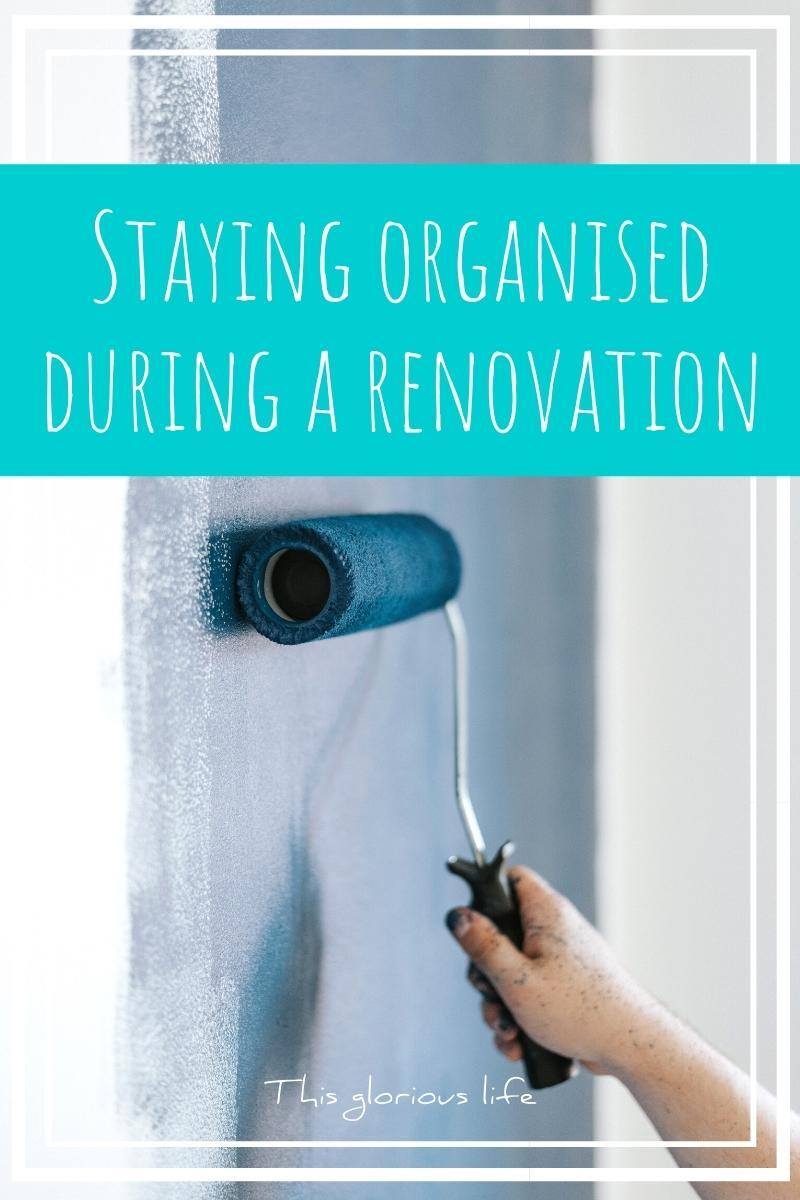
Staying organised during a renovation

Before you start a restoration project, clear up as much space as you can. Consider what you need most in your new space, then declutter it.

Follow these clearing, arranging, and storage methods to minimise disruption during construction.

Plan ahead 

Go through your cabinets and bookshelves. If you need to box up a room or two, now is the time to check your cabinets. Transparent storage bins for commonly used objects Label them carefully and move them. Away from dust and construction, but still accessible. 

Less frequently used items can be boxed up and put out of sight. Label each box with the overall contents. Take pictures of the box and name it in its new place so you can quickly discover things during the remodelling or when you unpack it afterwards.

Take pictures of the box and name it in its new place so you can quickly discover things during the remodelling or when you unpack it afterwards. If you want to change the layout of your home, consider why you want to do so. Would you need a safe play place for your kids or a modest office to work from home?

Give your architect or builder as much information as you can about how you plan to use your area. A great professional will hear and suggest a solution. For example, beneath the sofa seating in this dining room is elegant wine storage.


Take an objective look

Once you have a vision for your new home, you may devise a decluttering strategy. Take images of your room and show them to a trusted friend or relative. Discuss what you need to get rid of to attain your look. This will inspire you to declutter and get rid of anything that doesn’t assist you to achieve your objective.

Also, consider if you want to tackle the massive effort of decluttering yourself or hire a professional organiser from the start.


Storage options

Use mobile storage. Plastic storage boxes on wheels can come in handy as you move things around to allow the builders access.

If you’re considering a bedroom renovation, you’ll need to decide which clothing and toiletries to store and which to keep handy. A covered clothes rail and a few lightweight cabinets on wheels can hold a capsule wardrobe.


Think about your normal routine

Most home remodelling projects cause some interruption, so prepare for the unexpected. If you’re remodelling your kitchen, consider setting up a mini-cook station elsewhere. It may be a table and a microwave. You could perhaps arrange to stay somewhere else. Ask friends to help or look up trustworthy pet sitters in your region.


Keep your valuables safe

Keep valuables safe. While you should trust your builders, there will also be times when your home will be unlocked. It may have no windows, doors, or even walls at some time. Traders will also come and go. So put valuables in a safe at home or in a bank deposit box.


Make room 

For most restoration projects, living in fewer rooms than usual is required, and these spaces must be versatile. If you won’t be keeping all of your room furnishings when the restoration is done, sell or donate them before the job begins. Decluttering before the makeover means less stuff to move, pack, store, and unpack afterwards.

If you plan to store large items in a garage or loft, make sure huge objects will fit through doorways and openings. Also, make sure you have enough room for the furniture. You might also rent a safe storage locker while the remodelling is going on.


Keep the outside clear 

Remember the outside. If your project requires outside labour, get that outside decluttering done. Clear out all the stuff you left outside for the future, for the future has here! Recycle your junk by renting from Sheridan Skips or hiring a van. If it’s not rubbish, sell it to help fund your project. 


These tips should help you to stay organized through a home renovation. Do you have any other tips that could help? Please share them in the comments below. 


Disclosure: this is a collaborative post

Etsy finds to brighten your home this spring

10 little Etsy finds to brighten your home this spring 

There’s something about spring that makes us want to mix things up a bit, make some changes, and generally breathe new life into our homes.

If you’re looking for a distraction from the spring cleaning, or looking for inspiration for new bits and pieces to bring a bit of colour to your home, then take a look at these 10 little Etsy finds to brighten your home this spring.

1. A beautiful glass light catcher

Add some gorgeous spring colour into your home with one of these fused glass spring meadow light catchers.

These pretty pieces are made in the UK by ArtGlassByJessica and cost £8.50 each with free UK delivery.  You can buy them individually or get a set of four to really add a burst of colour into your home for spring.


2. A pretty spring wreath for the front door

Why should wreaths be saved just for Christmas?!

This pretty floral wreath is perfect for popping on your door in the springtime!

Prices start at around £51, with this being a bit of an investment piece that you can bring out year after year.


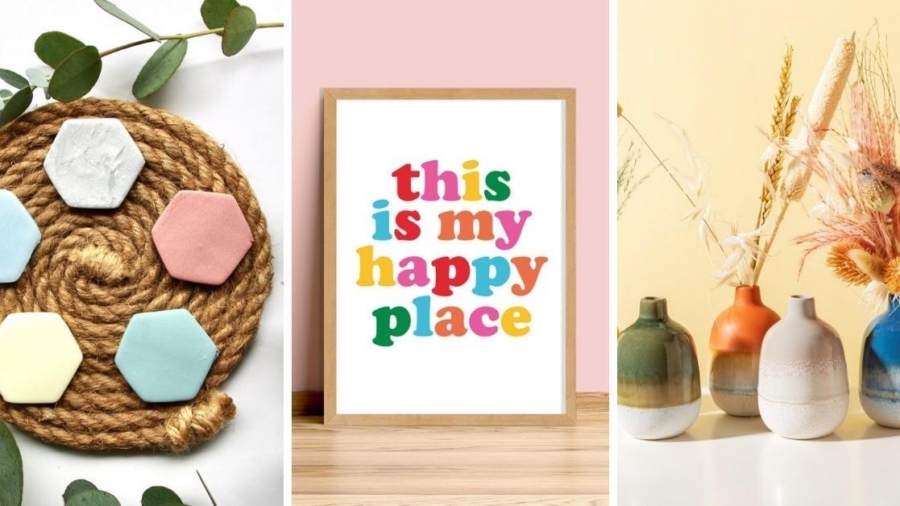
3. A set of perfectly pastel coloured magnets

Update the look of your fridge for spring with these pretty pastel magnets.

The magnets are 3cm in diameter and are £4.68 for a pack of five.


4. Bright and fun rainbow heart bunting

This vibrant rainbow heart bunting would look great in any room of the house to add a bit of colour and fun.

The bunting is handmade from felt and costs £5.49 (with free delivery in the UK).


5. A vibrant ‘happy place’ print

Let everyone know that your home is your happy place with this bright and colourful print.

You can the print in a range of sizes from A6 (£4) to A1 (£55.50).


6. A colourful ceramic mug

This Sass and Belle mojave stoneware mug will make you smile over your morning coffee (or tea) each day.

It’s available in 6 different colours, and costs £8.45 (or you can get a set of 4 for £32.50).


7. A heart-shaped mug

If one new mug just isn’t enough, then this double-walled heart-shaped mug is for you!

Prices start from £9.99 for a 180ml mug.


8. A colourful ceramic vase

Perfect for fresh spring flowers or pretty dried grasses, a ceramic bud vase will also add a bit of colour on its own.

These vases are available in 6 different colours and are £7.95 each.


9. A personalised family print

Add a personalised touch to your home this spring with an ‘our family’ print.

You can add the names of all your family members (including pets) to create something really special for just £6 (unframed).


10. A welcoming wire sign

Give visitors to your home a friendly welcome with this ‘hello’ wire sign.

If you’d rather say something else though you can get creative and have something custom made.  You can ask for any word or phrase up to 35 letters long, and prices start from £3 for a single letter.


Easy ways to refresh your bedroom this spring

3 easy ways to refresh your bedroom this spring

Spring is just around the corner.  The time of year where people everywhere start getting the urge to throw open their windows, pack away the heavy winter blankets, and clean their homes from top to bottom.

There’s just something in the air in the spring that makes us what to start fresh and bring new energy into our homes.

The bedroom is a great place to start with spring cleaning, and you don’t have to spend a fortune or even a lot of time to get it ready for the new season.  Here are 3 easy ways to refresh your bedroom this spring.

Change your bedding

One of the quickest and easiest ways to refresh your bedroom for spring is to change your bedding.

If the days are already getting warmer where you are then you can pack away your heavy winter duvet and replace it with a more lightweight one.

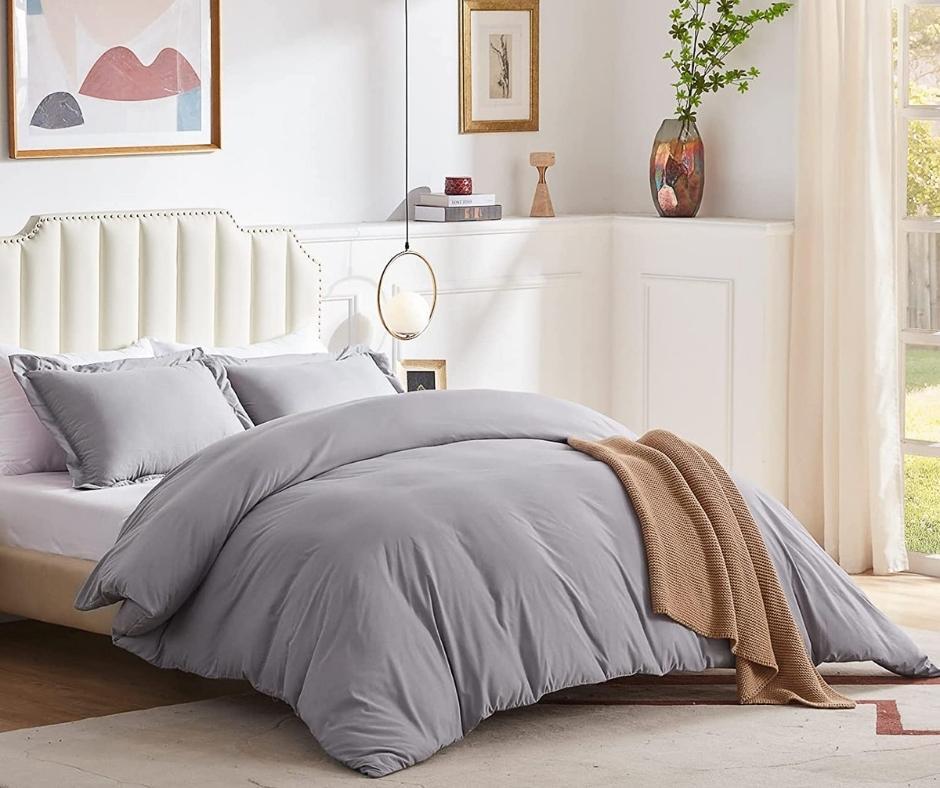
Then you can change the look of the room with lovely new duvet covers, pillow cases, and lightweight throw blankets.  A stunning comforter set with matching pillow shams can be the finest bet too.

You could go for a pretty floral set of bedding, to really embrace the spring theme, or pick something in bright, fresh colours to breathe new life into the room.  Or you could keep things more neutral with something like this Lifewit best budget bedding, which then leaves you free to add more colour with accessories throughout the room.

Bring in fresh flowers

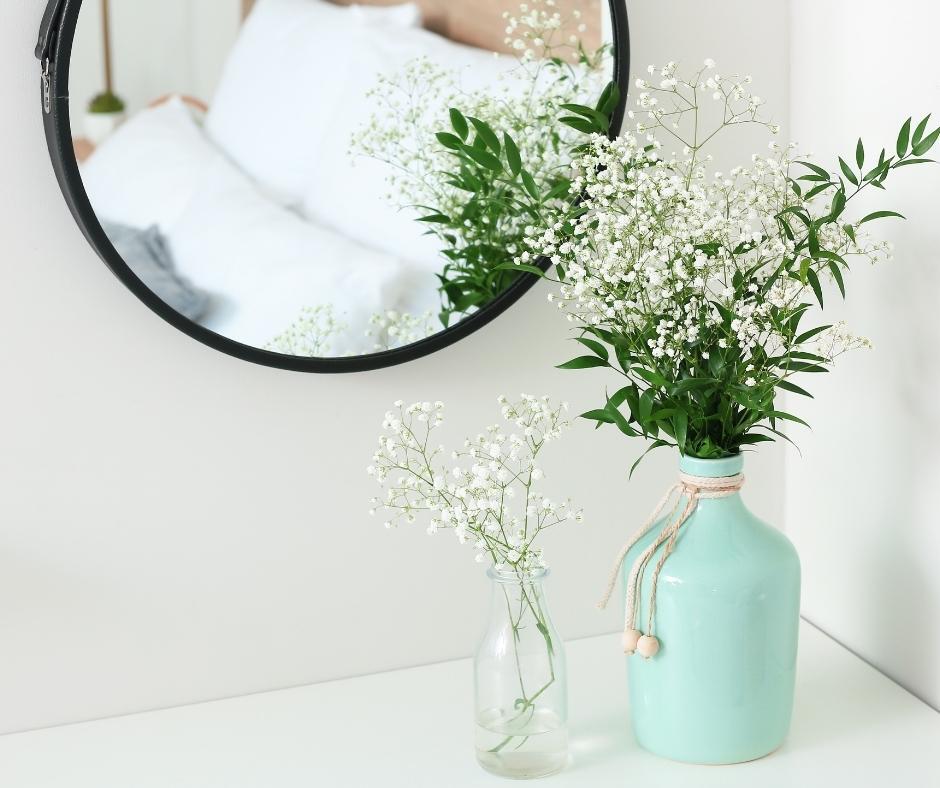
Another really quick and easy way to bring life back into your bedroom is by adding a vase of fresh flowers, or a few potted plants.

They don’t just look pretty either, there are lots of other benefits to having flowers in your bedroom.

Having flowers displayed where we can see them regularly can give us a real happiness boost.  So having them in the bedroom where you can see them when you wake up in the morning can really help you start your day on a positive note.

Studies have also shown that having flowers in our homes can help to reduce feelings of pain, lower blood pressure, and feel more relaxed.

Declutter and rearrange

This might take a little more time than changing the bedding and buying a bunch of flowers, but the effort is well worth it.

Spending an afternoon decluttering and letting go of things you don’t need any more can really breathe new life into your bedroom.

Start by going through all your winter clothing.  Pass on anything that you’ve not worn over the last few months and then, if you have the space, pack away the things you want to keep but won’t wear again until next winter.

Then work your way around the room, clearing out things you no longer need and putting things that don’t belong in the bedroom in a better place in the house.

Once you’ve decluttered see if you can move things around a bit to really give the bedroom a new look.

If you can’t move the big pieces of furniture then look at rearranging your books, updating any photos you might have framed in the room, or putting new artwork up on the walls.

Hopefully these tips for easy ways to refresh your bedroom this spring will have inspired you to give your bedroom a new lease of life as the seasons change.

Disclosure: this is a collaborative post

Considerations for buying an older home

The dream of finding an old house in the country within your budget, doing it up, and living there forever is many people’s idea of bliss. The problem is that many older properties aren’t designed with many – if any – of the mod cons that we are used to in mind. 

The charm of the property usually far outweighs all of these issues. Still, some things can end up being very expensive. 

Taking on an old cottage or farmhouse in the country or even a small village is fantastic, but here are some of the things you’ll need to think about ahead of buying.

Plumbing

The plumbing materials we use nowadays have been designed for hard-wearing over the years – designed to last and last. Original plumbing materials were often things like clay lines. Unfortunately, these clay lines crack and corrode, leading to disastrous results. 

Even if the house had plumbing replaced in the 1980s, there is potential that a polybutylene system was used, and that can degrade quickly too. A professional plumber will be able to tell you what you need to make your home safe from plumbing disasters. So whether you need a plumber in South Austin or South London, it’s always worth getting someone who knows what they’re doing to come in and take a look.

Electrical

Older buildings just weren’t built with modern electrical needs in mind. The systems in older houses were designed to run a minimal amount of electrical appliances – anything more than that, and it will become a safety hazard. 

Ahead of purchasing the home, you must have an electrician inspect the house to tell you what you need to make it safe. 

Roof age

The average roof needs to be changed every 10-20 years, so if you are buying an old property that has been uninhabited for a while, the roof could need immediate replacement. 

You might want to have the roof replaced with the same materials it was built initially with – so it is worth having an estimate from a company that regularly replaced roofs with traditional materials. Further, you can use any extra roof space with something like Feelnets Cottage Renovation nets. 

Shingle might offer the cheapest option, but it might fly in the face of the old-timey home you had in mind. 

Lead

Lead paints were commonly used in homes that pre-date 1940. We know that exposure to lead can cause a wide range of health issues, so it is better to have all of the paint in the home checked. 

The paint with lead can be stripped and replaced with relative ease. 

In the end, when buying an older home, aside from the cost of the house itself, you should be prepared to spend a reasonable amount of renovation and updates. The updates you make to the home will enable you to live comfortably for as long as you wish to remain in the home. It also means if you want to sell the house at a later date, you will fetch a great sale price. 

Some home renovations have hugely positive impacts on your home. Some of them will be in keeping with the style of the home, like these 3 home renovations that will make you fall in love with your house.  So whether you’re thinking of selling on the home soon, or living there for a long time, it’s worth thinking about the different renovations you can do to make the home something really special.

Disclosure: this is a collaborative post

Make mould in bathroom a problem of the past

Make mould in the bathroom a problem of the past

The bathroom is, naturally, one of the most essential rooms in the home, vital for our every day routines, and it should be a place where we can feel comfortable and safe.

However, that feeling can quickly be dashed away when you start to see the spread of those little black dots, be it on your walls, ceiling, or even on the furniture that you keep in there.

Here, we’re going to look at what you can do to handle mould in the bathroom once and for all.
Identifying and finding mould

Mould is perhaps most recognisable by its look. Most mould looks like little fuzzy black spots that spread across the surfaces that they affect.

However, if you can’t see mould, but you can smell a musty, overbearingly damp smell, then there may be hidden mould in the bathroom. If this is the case, you need to inspect the hidden areas, such as underneath the sink, under the toilet, under the bath, behind doors, and anywhere else that might regularly be “closed” to your sight.

These spouts are more likely to attract moisture due to the lack of airflow they can sometimes get, which builds up and then facilities the growth of mould, which can be expensive if it starts to spread out.

Ventilation is key

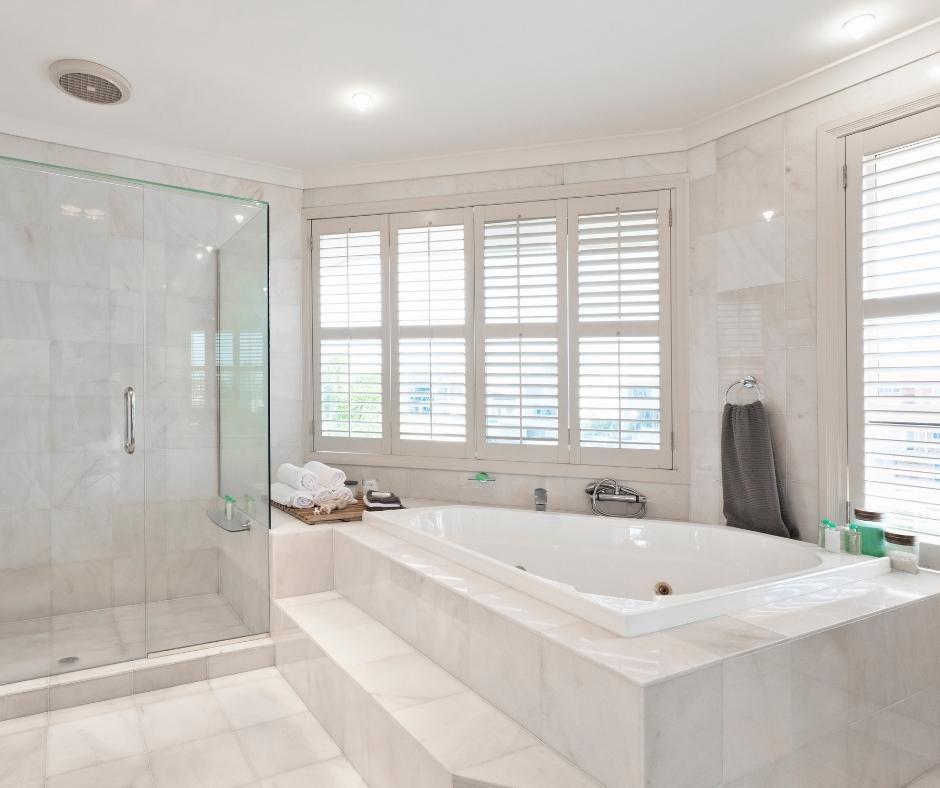
Moisture builds up in the bathroom easily, not just because of all of the water, but also because of the heat, usually generated by the shower or the bath.

This steam spreads through the room and sticks to surfaces, leaving moisture levels high, which can then attract mould growth. To that end, make sure that you invest in decent ventilation in the form of a bathroom fan. Where you place the fan is vital, too. It’s usually best to place it directly above the shower so that it sucks up and gets rid of the steam immediately.

Know how your fan runs and leave it running until at least 30 minutes are you’re done with your bath or shower, as there will be lingering humidity in the air for some time after you’re finished.

Don’t let condensation linger

It might not seem like a big deal, but condensation is a very common predecessor to mould.

This stagnant water bolsters mould growth if left to linger. As such, all you need to do is clean around any areas that have condensation with a squeegee to make sure that there are no visible droplets running down.

Of course, running your bathroom fan and leaving the window open should mean that there is less condensation in general. Either way, give those surfaces a quick wipe down after you finish using the hot water to be safe.
Protect the floors and walls

Even with good airflow, your bathroom is going to attract moisture, and this moisture tends to stick to your surfaces. Cleaning your countertops, bath, shower walls and so on is going to help keep mould away, but the main surfaces you should be aware of are your floors and your walls.

Make sure that you’re investing in waterproof surfaces such as tiles with mould-resistant grout and vinyl flooring, or whichever options still offer that protection. Furthermore, it’s best to make sure they’re installed by a professional so that you don’t accidentally leave any gaps that can be infiltrated by moisture.

Don’t forget the ceiling, either

Much as with your floors and your walls, your ceilings can be a danger zone when it comes to the spread of mould.

However, with this part of the bathroom, the risk is even more likely. People tend not to think about protecting their ceiling as much as the other surfaces, which can actually make them more susceptible and, what’s more, moisture and heat tend to rise in a bathroom, which means that your ceiling can get pretty clammy.

As such, you should make sure that you protect it, either by using anti-mould ceiling paint or with a more permanent feature like floors to ceiling panels. This way, you can seal off this most vulnerable of surfaces.

Get onto leaks as soon as possible

There is no such thing as a leak that doesn’t pose a great danger to your bathroom. Even a seemingly “minor” leak is going to lead to excessive water loss over time, and this water is either going to directly wear away at surfaces, or it’s going to lead to a build-up of stagnant water and moisture. There are few conditions that mould loves more.

You should be checking for leaks on a somewhat regular basis in the bathroom, especially if you have any reason to suspect that you might have one. If you spot any, turn off your water mains and get in touch with a plumber as soon as possible. Otherwise, you’re going to be dealing with mould and perhaps water damage and more expensive plumbing problems down the line.

Disclosure: this is a collaborative post