When searching for a new home, you should always consider your future needs. It is easy to consider your current needs and preferences, but a home is a long-term investment, so you need to find somewhere that will suit your lifestyle now and in the years to come.
This means that you need to find properties that are sustainable, adaptable, and equipped to meet future needs.
Embrace sustainable building practices
Investing in eco-friendly construction methods and materials not only reduces environmental impact but also enhances energy efficiency, leading to long-term cost savings. Incorporating features like high-grade insulation, energy-efficient windows, and sustainable materials can significantly improve a home’s performance.
The UK’s Future Homes Standard, set to be implemented in 2025, aims to decarbonise new homes by focusing on improving heating and hot water systems and reducing heat waste. Many new build homes are now constructed with sustainability in mind, adhering to the latest environmental standards to ensure long-term efficiency and reduced carbon footprints.
Integrate smart home technologies
Equipping your home with advanced technologies enhances convenience, security, and energy management. Consider installing smart thermostats, lighting systems, and security devices that can be controlled remotely.
These innovations not only improve daily living but also increase the property’s value. For instance, integrating smart tech is a key strategy for future-proofing property investments in the UK.
Design for flexibility & adaptability
Creating adaptable spaces ensures your home can meet evolving needs over time. Open floor plans, moveable walls, and multifunctional rooms allow for easy reconfiguration as family dynamics and lifestyle requirements change.
This flexibility is crucial for accommodating future technological advancements or accessibility needs. Top tips for future-proofing your self-build home include making your house adaptable and creating flexible spaces.
Prioritise energy efficiency & renewable energy sources
Reducing energy consumption and incorporating renewable energy sources are vital for a future-ready home. Implementing measures such as upgrading to energy-efficient appliances, investing in heating controls, improving insulation, and generating your own electricity through solar panels can significantly lower energy bills and environmental impact.
Investing in a new home is a major decision, and not just because it is a lot of money to spend. You want to find a home that suits your needs and lifestyle now but also in the future. By embracing sustainable building practices, integrating smart home technologies, designing for flexibility and adaptability, and prioritising energy efficiency and renewable energy sources, you can find a home that ticks all of the boxes and will provide a happy home life for the foreseeable future.
If you’re looking for a Christmas present for the lover of all things cosy in your life then I’ve found just what you need.
Any of these 6 candles from Etsy would make the perfect gift for your best friend, partner, parent, or anyone else you know who just loves staying in and cwtching up with a gorgeously scented candle burning in the background.
They all ship from the UK from small businesses so you also get that little glow from knowing you’re supporting someone’s dreams when you buy from them!
Warm Gingerbread Candle
Gingerbread is one of my favourite smells at this time of year, so this warm gingerbread candle from YRcandles would be perfect to pop on the mantelpiece.
It’s made with natural wax and comes in 2 sizes, with prices starting from £8.99 for the smaller option.
Butter Croissant Candle
Sticking with the foody theme, I just love the sound of this buttery croissant candle from WickGuruCandles.
It has notes of milk, butter, and vanilla, and smells like you’ve got a batch of croissants warming in the oven.
The 90g tin costs £16 and has a burn time of 20-25 hours, and the 165g glass version has a burn time of 40-45 hours and costs £30
Mindful Moments Candle Set
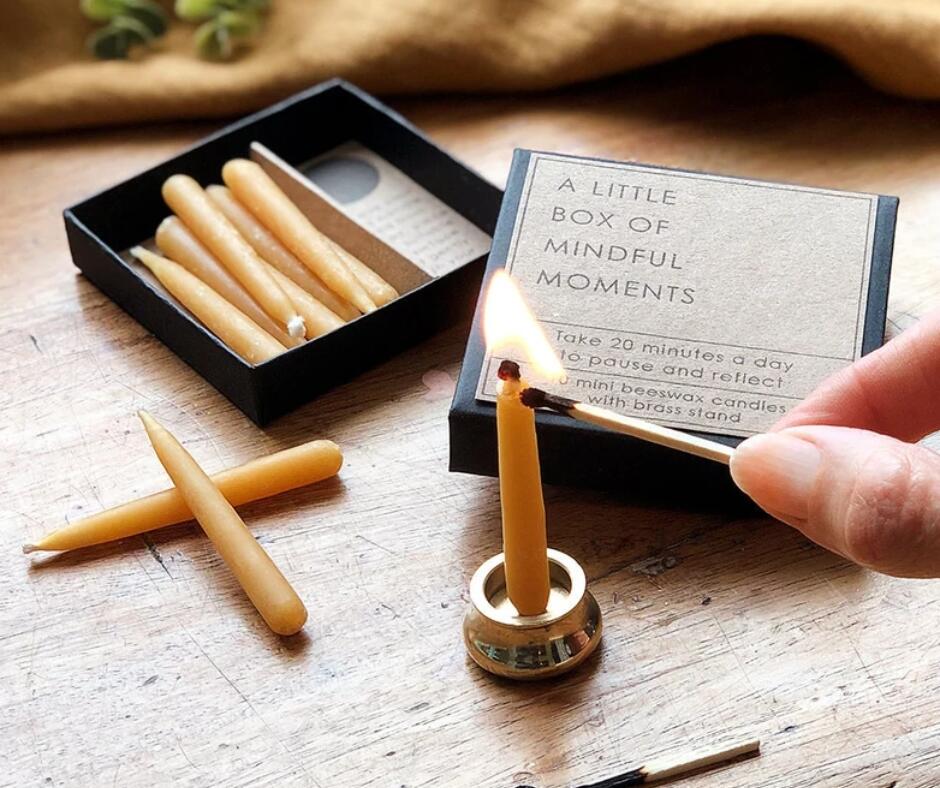
If you have someone in your life who loves to meditate and practices mindfulness then this mini mindful moments candle set would make a fantastic present.
The set comes with 10 handmade honey-scented mini candles and a brass stand in a sweet little presentation box for £18.50. You can also then add in more candles if you think the first 10 will be used up quite quickly.
Cornish Candle Gift Box
Another gorgeous little gift set, this Cornish Candle gift box from WavesAndWilder comes with a soy wax candle, a mini bar of chocolate, and a glass jar of matches.
You can choose from a range of scents for the candle, including Hidden Beaches, Beach Coffee, and Cornish Christmas, so you can really easily give this set to a few different people and personalise it to everyone’s personal tastes.
The set costs £13.95 and comes neatly packed in an eco-friendly box.
Scottish Rain Candle
You know that smell that you get when it rains? Well this Scottish Rain candle from TartanAntler has been designed to be just like that.
The perfect gift for petrichor lovers, it comes in 2 sizes and costs £8.99 for the smaller option and £19.99 for the bigger jar.
Old Bookshop Candle
For the person in your life who loves nothing more than wandering round old bookshops, this Old Bookshop candle from CosyArtLondon would be perfect.
It’s made with soy wax and has notes of grated ginger, vanilla sugar, woods, and tobacco leaf, to evoke that feeling of an old library full of books with aged pages and leather covers.
Prices start from just £3.99 for a pack of wax melts, and go up to £29.99 for a 500ml amber jar candle.
So there you have it. 6 gorgeous candles to create the perfect cosy atmosphere at home that would make amazing gifts for so many different people this Christmas.
If you want a bit more inspiration though you absolutely have to check out Etsy’s Holiday Hub that’s packed with fantastic present ideas from candles and mugs to jewellery and clothing.
Creating a family home that is not only beautiful but also functional is a dream for many homeowners. Striking the right balance between comfort, practicality, and style is essential in designing a space where every family member feels at ease and where daily routines flow seamlessly.
Whether you’re starting from scratch or looking to refresh your current home, this guide offers essential tips to help you create an inviting and cohesive family space. From choosing key furnishings to selecting décor that adds warmth and charm, read on to discover how to design the perfect family home.
1. Define Your Family’s Needs
The first step in designing an ideal family home is understanding what works best for your family’s lifestyle. Every family is unique, with different needs depending on the ages of the children, pets, and the kind of activities you all enjoy. This will help shape your layout and design decisions.
Open Spaces for Interaction: Many families appreciate an open-plan layout, where the kitchen, dining, and living areas flow together. This design encourages interaction and makes it easier to supervise children while cooking or completing other tasks.
Designated Quiet Zones: Creating dedicated quiet zones, such as reading nooks or small offices, is ideal for when family members need a break. If you love soft, ambient lighting, placing a Laura Ashley table lamp in these quiet areas creates a cosy, relaxed atmosphere that’s perfect for unwinding with a book or doing homework.
2. Prioritise Practicality Without Sacrificing Style
Family homes need to be functional, but that doesn’t mean you have to forgo style. Today’s design options allow for beautiful yet durable materials, ideal for the wear and tear of family life.
Opt for Durable Fabrics: Choose upholstery in fabrics that resist stains and wear. Leather, microfiber, or specially treated cotton fabrics are excellent for sofas and chairs, providing both comfort and longevity.
Select Multi-Functional Furniture: Multi-functional furniture, such as ottomans with hidden storage or tables that expand, is ideal for family homes. You get the convenience of extra storage or seating without compromising on style.
In terms of decor, a few key pieces can add significant style to your home. A large reed diffuser, for instance, serves both as a natural fragrance source and as a stylish décor item. Place one in the living room or hallway to create a welcoming scent as family members and guests enter the home.
3. Use Lighting to Define and Enhance Spaces
Lighting plays a significant role in creating a warm and functional family home. The right lighting can transform the ambiance of a space, making it feel cosy, energised, or relaxed.
Layer Your Lighting: A combination of ambient, task, and accent lighting will allow you to adjust the atmosphere depending on the time of day and purpose. In the living room, for instance, overhead lights can provide general illumination, while Laura Ashley table lamps add soft, ambient lighting for the evening.
Incorporate Natural Light: Maximise natural light by choosing window treatments that can be easily drawn back, like light curtains or blinds. Natural light not only makes spaces feel larger and more inviting but is also beneficial for your family’s health and well-being.
By carefully choosing lighting fixtures and sources, you can create spaces that feel versatile and accommodating, regardless of the activity or time of day.
4. Incorporate Storage Solutions for an Organised Home
In a family home, storage is essential. Without proper storage solutions, clutter can quickly accumulate, making spaces feel cramped and overwhelming.
Built-In Shelving and Cabinets: For family rooms and play areas, built-in shelving and cabinetry offer great storage without taking up too much floor space. Built-ins are ideal for storing books, toys, and family games, keeping everything within reach while maintaining a tidy look.
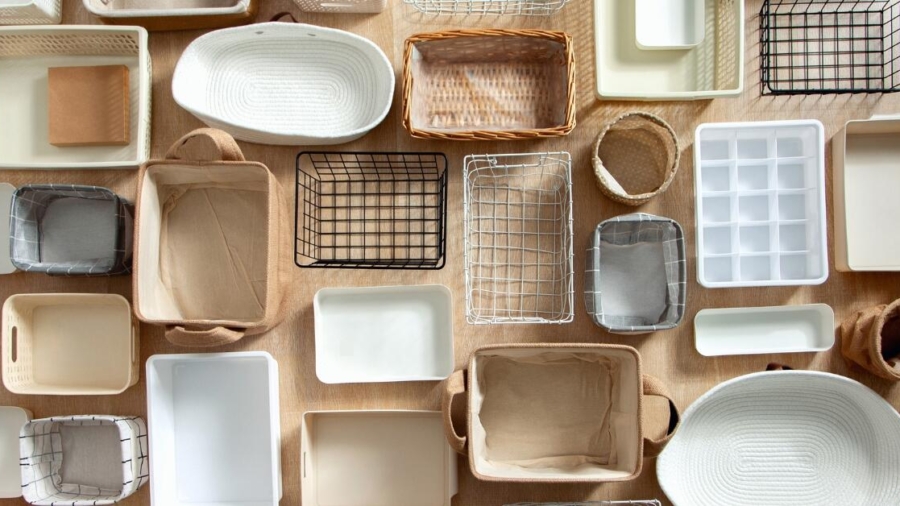
Stylish Storage Baskets: For frequently used items, consider incorporating stylish storage baskets that complement your decor. These can be easily moved around and are perfect for quick clean-ups.
Efficient storage solutions not only help maintain a clean and tidy space but also create a more comfortable, stress-free environment.
5. Choose a Cohesive Colour Palette and Add Personal Touches
A well-chosen colour palette is essential in creating a harmonious family home. Soft, neutral shades are often a popular choice as they provide a calming background while allowing accent pieces to stand out.
Neutral Tones with Pops of Colour: Neutral tones like beige, grey, or soft pastels create a relaxing atmosphere and work well with various styles. Add character with pops of colour in accent pieces like cushions, rugs, or artwork.
Personalise with Family Photos and Mementos: Decorate with framed family photos or travel mementos to bring warmth and personality to your home. You can create a gallery wall in the living room or hallway, showcasing your family’s favourite memories.
Personal touches make a house feel like a home, and a few key pieces will help achieve that sense of warmth and belonging.
6. Create Kid-Friendly and Pet-Friendly Spaces
For families with young children or pets, certain design considerations can help make your home safe and convenient for everyone.
Choose Easy-to-Clean Surfaces: For floors, go with hardwood, laminate, or vinyl, which are durable and easy to clean. Rugs made of natural fibres are often more resistant to stains and wear.
Set Up Play Zones: If space permits, create designated play zones where toys can be organised and stored. This not only keeps clutter contained but also allows children to have a space they can claim as their own.
Keeping your home functional and safe while remaining stylish is entirely achievable with the right materials and designated areas for play and relaxation.
7. Enhance the Ambiance with Scents and Greenery
Ambiance is crucial in transforming a house into a welcoming home. Scents and greenery can add an extra layer of comfort and style to your living space.
Use Scented Décor: Items like a large reed diffuser not only add a pleasant fragrance but also serve as a decorative piece. Reed diffusers are ideal for family homes as they provide a consistent, gentle fragrance without the need for candles, which can be a safety concern with young children or pets.
Bring in Indoor Plants: Plants like snake plants, spider plants, and pothos are excellent choices as they require little maintenance and purify indoor air. A few well-placed plants can brighten up any room and add a touch of nature to your home.
Scents and greenery create a sensory experience, making your home feel fresher and more vibrant.
Designing the ideal family home is about creating a balance between beauty, comfort, and practicality. With thoughtful planning and the right décor choices, you can achieve a home that not only meets your family’s daily needs but also reflects your unique style.
Whether it’s the ambient glow of a Laura Ashley table lamp or the subtle aroma of a large reed diffuser, the details you choose help to shape the atmosphere of your space. Focus on durability in furniture, invest in clever storage solutions, and add personal touches that reflect your family’s personality. With these tips, you’ll be well on your way to creating a home that’s welcoming, functional, and stylish — a place where memories are made and cherished every day.
Earthy tones, such as warm browns, soft greens, and muted beiges, create a calming and inviting atmosphere in any home. These colours mimic the natural world, bringing a sense of serenity and balance to your living space.
Earthy hues are versatile, making them suitable for various styles, from rustic to modern minimalism. They provide a timeless appeal that doesn’t go out of fashion, ensuring your home remains stylish year after year.
Earthy tones are also practical. They are excellent at concealing minor wear and tear, making them ideal for family homes. Incorporating these colours into your décor can enhance the overall comfort of your space, promoting relaxation and wellbeing. Whether you opt for an entire room makeover or simply add earthy accents, these tones can transform your home into a tranquil retreat.
Bringing nature indoors with earthy crafts
Engaging in DIY projects is a delightful way to incorporate earthy tones and natural elements into your home décor. Consider creating a feature wall with wooden panels or furniture with reclaimed wood, both of which add a rustic and warm touch to any room. You could also make your own clay pots or vases, which can be painted in earthy hues to complement your existing décor.
Another idea is to craft decorative items using natural materials like pinecones, leaves, and stones. These can be transformed into wreaths, table centrepieces, or even wall art. Such projects are perfect for all ages and can be a fun way to spend time with family while enhancing your living space.
Picking the right earthy colour palette for your home
Selecting the perfect earthy colour palette is crucial for creating a cohesive and inviting home environment. Start by considering the existing elements in your space, such as flooring and large furniture pieces. Neutral tones like beige, taupe, and grey can serve as a versatile base. From there, you can layer in deeper hues like terracotta, forest green, and burnt orange for added warmth and depth. These colours work beautifully together, creating a balanced and natural look.
When choosing specific shades, it’s helpful to test samples in your home’s lighting. Natural and artificial light can alter the appearance of colours, so ensure they look appealing at different times of the day. For a refined touch, incorporate the burnt-orange colour code into accent pieces like cushions, rugs, or artwork. This vibrant yet earthy tone can enliven your décor while maintaining a harmonious and grounded aesthetic.
Tips and tricks for accessorising with earthy hues
Start by introducing smaller items like cushions, throws, and rugs in colours such as olive green, rust, and chocolate brown. These accessories can easily be swapped out with the seasons, allowing for a flexible approach to decorating. Mixing and matching different textures and patterns in these hues can add visual interest and depth to your décor.
Artwork and wall decor are other excellent ways to infuse earthy tones into your space. Look for pieces that incorporate natural landscapes, botanical prints, or abstract designs in your chosen colour palette. These small but impactful changes can create a cohesive and inviting atmosphere that reflects the beauty of nature.
These colours and materials not only enhance the aesthetic appeal of your space but also promote a sense of calm and comfort. Using natural fabrics, wooden furniture, and greenery can make your home feel more connected to nature. Adding some subtle touches creates a harmonious and stylish home that reflects the beauty of the natural world.
It’s not easy becoming a first-time homeowner. The property market has been all over the map in the last few years so it will have been a very challenging journey to getting your keys! And as exciting as it is to have finally reached the end of that saga, now you’re responsible for maintaining and managing your own property.
This comprehensive guide aims to boost your confidence as a first-time homeowner, providing practical advice and insights to help you navigate this exciting new chapter in your life.
Understanding your new responsibilities
You’re now in charge of everything from routine maintenance to major repairs As a homeowner. Understanding these responsibilities is the first step towards feeling more confident in your new role.
Creating a home maintenance schedule is crucial for keeping your property in top condition. This should include regular tasks such as checking and cleaning gutters, inspecting the roof for damage, servicing your boiler and heating system, testing smoke and carbon monoxide detectors, and cleaning or replacing air filters. You’ll prevent small issues from becoming major problems, saving time and money in the long run by staying on top of these tasks.
Being prepared for emergencies will give you peace of mind. Make sure you know where the main water stopcock, fuse box, and gas and electricity meters are. Keep a list of emergency contact numbers handy, including local plumbers, electricians, and your home insurance provider.
Homeownership comes with ongoing financial responsibilities. Create a budget that includes mortgage payments, utility bills, home insurance, council tax, and maintenance and repair costs. Setting aside a contingency fund for unexpected expenses is also a good idea.
Getting to know your home
Developing a deep understanding of your property will boost your confidence as a homeowner. Review your property survey thoroughly. This document provides valuable information about the condition of your home and can highlight areas that may need attention in the future.
Put together a detailed inventory of your home’s features and contents. This should include the age and condition of major appliances, types of windows and doors, flooring materials, and paint colours and wallpaper patterns. This inventory will be really helpful for insurance purposes and when planning future renovations or repairs.
Feeling confident as a homeowner goes beyond your front door too! Take time to meet your neighbours, familiarise yourself with local amenities, and understand any neighbourhood rules.
Building good relationships
Establishing positive relationships with those around you can significantly enhance your homeownership experience. Introduce yourself to your neighbours and stay friendly with them. Good neighbours can be a great source of support and information about the local area.
Build a network of trusted professionals, including a reliable handyman, a local plumber and electrician, and a reputable estate agent for future property advice. Having these contacts will give you confidence when facing home maintenance challenges.
Get involved in your local community. Join neighbourhood groups or attend local events. This can help you feel more connected to your new home and area.
Developing DIY skills
While some home maintenance tasks require professional help, developing basic DIY skills can save you money and boost your confidence as a homeowner. Invest in a basic tool kit, including screwdrivers, a hammer, pliers, an adjustable wrench, a tape measure, and a spirit level.
Start with simple tasks like hanging pictures or assembling furniture. Gradually build up to more complex projects as your confidence grows. Take advantage of online tutorials and DIY forums. You should always prioritise safety when undertaking DIY projects. Know your limits, and don’t hesitate to call in professionals for complex or potentially dangerous tasks.
Understanding home insurance
Having the right home insurance can provide peace of mind and financial protection. Buildings insurance covers the structure of your home and is usually required by mortgage lenders. Ensure your policy provides adequate cover for the full rebuild cost of your property.
Contents insurance protects your belongings within the home. Make an inventory of your possessions and regularly update it to ensure you have sufficient coverage. Familiarise yourself with the details of your policy, including excess amounts, exclusions, and the claims process.
Energy efficiency
Improving your home’s energy efficiency can reduce bills and increase comfort. Review your home’s Energy Performance Certificate (EPC), which provides information about its energy efficiency and recommendations for improvements.
Start with easy energy-saving measures such as installing LED light bulbs, adding draught excluders to doors and windows, and improving loft insulation. Consider longer-term energy-saving investments like double or triple glazing, solar panels, and smart heating controls. The Energy Saving Trust offers advice on making your home more energy-efficient.
Learn more about boilers
Your boiler is a crucial component of your home, providing heating and hot water. Understanding how it works and how to maintain it can save you money and prevent unexpected breakdowns.
Familiarise yourself with the type of boiler in your home. Combi boilers provide instant hot water and heating, system boilers use a hot water cylinder, and conventional boilers have both a cylinder and a water tank. Each type has its own maintenance requirements and benefits.
Understand your boiler’s efficiency rating. Modern A-rated boilers can be up to 90% efficient, potentially saving you hundreds of pounds a year on energy bills. Schedule annual boiler servicing with a Gas Safe registered engineer. This will ensure your boiler is running safely and efficiently.
Learn to recognise common boiler problems, such as low pressure, strange noises, or the pilot light going out. Knowing when to call a professional can prevent minor issues from becoming major problems. You’ll also need to talk to a professional about boiler installation when it’s time for a new boiler. You can find more information on boiler installation services here. Boiler Central has excellent Trustpilot reviews with fixed and final prices, and they have a range of finance options to suit you.
Garden and outdoor spaces
Maintaining outdoor spaces is an important aspect of homeownership. Develop basic gardening skills such as lawn care, pruning shrubs and trees, and planting and maintaining flowerbeds. Understand the seasonal requirements of your garden.
Maintain any outdoor structures like sheds, fences, or decking. Regular cleaning and treatment can extend their lifespan and keep your outdoor space looking its best.
Planning permissions and building regulations
Understanding planning permissions and building regulations is crucial for any homeowner considering renovations or extensions. Familiarise yourself with Permitted Development Rights, which allow certain types of work without needing planning permission.
Understand when you need to apply for planning permission, such as for large extensions or changes to listed buildings. Learn about Building Regulations, which set standards for the design and construction of buildings to ensure health and safety.
Get to know your local authority’s planning department. They can provide guidance on local planning policies and regulations.
Managing household waste
Proper waste management is an important responsibility. Familiarise yourself with local recycling guidelines. Many councils provide detailed information on what can be recycled and how.
Consider composting garden waste or using your local council’s garden waste collection service. Know how to dispose of large items. Many councils offer bulky waste collection services or have local recycling centres.
Understand how to safely dispose of hazardous items like paint or electronics. Your local council website should guide you on this.
Dealing with emergencies
Being prepared for emergencies can help you feel more confident in your ability to handle unexpected situations. Prepare an emergency kit containing a torch and spare batteries, a first aid kit, a three-day supply of non-perishable food and water, and a battery-powered or wind-up radio.
Familiarise yourself with your home’s electrical, plumbing, and heating systems. Know how to shut off utilities in an emergency. Keep a list of emergency contact numbers, including local emergency services, utility companies, insurance providers, and trusted neighbours. The UK government’s website provides comprehensive advice on preparing for and responding to various emergencies.
Home security
Ensuring your home is secure can provide peace of mind and protect your investment. Implement basic security measures such as installing good quality locks on doors and windows, using timer switches on lights when you’re away, and installing exterior lighting with motion sensors.
Consider smart security options like video doorbells, smart locks, and CCTV systems. These can be controlled remotely and provide additional peace of mind. Join or start a Neighbourhood Watch scheme in your area. This can help create a safer community and provide support among neighbours.
Some neighbourhoods also use HOA security system solutions to help manage safety across shared areas and provide residents with an added layer of protection.
Managing paperwork
Staying organised with homeownership-related paperwork is crucial for feeling confident and in control. Keep important documents in a safe, easily accessible place. These might include mortgage documents, property deeds, insurance policies, and warranties and guarantees for appliances and work carried out on your home.
Consider scanning important documents and storing them securely online. This provides a backup in case of loss or damage to physical copies. Create a filing system for home-related paperwork. These could be physical files or digital folders for different categories like home maintenance records, utility bills, property taxes, and renovation plans.
Set aside time annually to review and update your home-related documents. This helps ensure your paperwork is current and you’re aware of any upcoming renewals or expirations.
Understanding property boundaries and rights
This knowledge can help prevent disputes withneighbours and ensure you’re making informed decisions about your property. Start by reviewing your property deeds, which should outline your property boundaries. Think about hiring a chartered surveyor to conduct a boundary survey if they’re not clear. This can be particularly important if you’re planning any work near the edges of your property, such as building a fence or extension.
Familiarise yourself with your rights regarding trees, hedges, and other natural features on or near your property. There’s a lot of guidance out there on high hedges and overhanging branches, which can often be sources of neighbourly disputes.
Be aware of any easements or rights of way that might affect your property. These could include shared driveways or public footpaths crossing your land. Understanding these can prevent potential conflicts or legal issues in the future.
If you’re considering making changes that might affect your neighbours, such as building an extension or installing a satellite dish, it’s always best to discuss your plans with them first. Many neighbourhood disputes can be avoided through open communication and consideration.
Creating a long-term home improvement plan
Creating a long-term plan can help you prioritise projects, budget effectively, and avoid making changes you might regret later. Start by assessing your home’s current condition and making a list of all the improvements you’d like to make, both essential and cosmetic. Prioritise these based on urgency, cost, and the value they’ll add to your home and quality of life.
Research the potential return on investment for different home improvements. While some projects, like updating a kitchen or bathroom, typically offer good returns, others might be more about personal enjoyment than adding value to your property.
Consider the timing of your improvements. Some projects are best done together (like rewiring and replastering), while others might need to be spread out for financial reasons. Think about how your needs might change in the future. You might want to prioritise adding an extra bedroom or creating more storage space if you’re planning to start a family, for example.
Don’t forget about ongoing maintenance in your plan. Set aside funds each year for routine tasks like exterior painting, boiler servicing, and gutter cleaning. Look into whether any government grants or schemes are available to help fund improvements, particularly for energy-efficiency upgrades.
Lastly, be flexible with your plan. Your priorities might change, or unexpected issues might arise. Review and adjust your plan annually to ensure it still aligns with your goals and circumstances.
Conclusion
Becoming a confident homeowner is a journey that takes time and experience. You can navigate the challenges of homeownership by educating yourself about your responsibilities, developing new skills, and staying organised.
Remember, it’s normal to feel overwhelmed at times. Don’t hesitate to seek advice from more experienced homeowners or professionals when needed. Join local homeowner groups or online forums to share experiences and get support.
Most importantly, enjoy your new home. Create memories, make it your own, and take satisfaction in the fact that you’re building not just a house, but a home.
Spring, with its promise of new beginnings, is the ideal time to introduce new hobbies into your life. The fresh, vibrant energy of the season inspires us to try new things and explore different interests.
However, incorporating these activities into your home can be a challenge, especially when space is at a premium. Finding creative ways to accommodate these new pastimes requires a blend of organisation and innovation.
Here’s how you can efficiently and effectively make room for your new interests, transforming your home into a haven for creativity and learning.
1. Declutter with purpose
Begin by decluttering each room. This isn’t just about removing unwanted items; it’s about reevaluating your relationship with the things you own.
Consider each item’s purpose and how often it’s used. This process can be therapeutic, offering a fresh perspective on your living space. By donating, selling, or recycling things you no longer need, you make way not just for new hobbies, but for a new mindset.
If there are some items you are not sure whether to keep or get rid of, you can always avail yourself of
2. Multi-functional furniture
Investing in furniture that serves more than one purpose can be a game-changer. A sofa bed, for instance, can transform a living room into a guest room. A fold-down desk can be a compact workspace for hobbies like writing, drawing, or crafting and can be neatly tucked away when not in use.
These pieces are particularly valuable in smaller living spaces, offering functionality without sacrificing style.
3. Utilise vertical space
Maximising vertical space can revolutionise how you store hobby materials. Install floating shelves or wall-mounted cabinets to keep supplies organised and off the floor.
For hobbies that require tools, such as gardening or DIY projects, a pegboard can be an excellent way to keep tools accessible yet out of the way. This approach not only saves floor space but also adds a decorative element to your walls.
4. Opt for compact storage solutions
Efficient storage solutions are key in managing hobby-related items. Using stackable bins, drawer dividers, or customisable shelving units can help you keep your supplies in order. Look for under-utilised spaces like under beds, over doors, or the backs of cupboard doors for additional storage.
For larger or seldom-used items, external storage solutions like Safestore can be an excellent option, keeping your home clutter-free while ensuring your items are safe and accessible when you need them.
5. Rotate hobbies seasonally
If you enjoy multiple hobbies, consider rotating them according to the season. This approach not only saves space but also keeps your interests fresh. Store winter-related hobby items during the summer months and vice versa.
Use clearly labelled bins or bags to keep everything organised and remind you of what goes where!
6. Designate a hobby zone
Allocating a specific area for your hobbies can significantly enhance your productivity and enjoyment. This dedicated space could be a corner of a room, a nook under the stairs, or even a section of your garage.
Here, you can immerse yourself in your hobby without interruptions. If you’re short on space, consider room dividers or curtains to create a temporary, yet dedicated, hobby area.
7. Embrace digital solutions
For hobbies that don’t require physical space, digital platforms can be a lifesaver. Whether it’s learning a new language through an app, practicing digital photography, or using online tutorials for learning an instrument, these hobbies can dramatically reduce the need for physical space.
They offer the flexibility of being pursued anywhere, be it at a cafe or in a park, and they’re a great way to diversify your interests without adding to your home’s clutter.
In a nutshell
By implementing these strategies, you can easily welcome new hobbies into your home this spring. Each tip focuses on optimising your living space, ensuring that your new interests enrich your life without overwhelming your home!
Maintaining the pristine appearance of uPVC windows is essential for preserving the aesthetic appeal and functionality of your home. These low-maintenance frames are designed to withstand the elements, but over time, they can accumulate dust and dirt.
Fortunately, with the right techniques and cleaning solutions, you can restore the shine to your uPVC windows, ensuring they continue to enhance the overall appeal of your home for many years to come.
Understanding the Dos and Don’ts
When it comes to cleaning uPVC windows, it’s important to be mindful of the materials and techniques you use. Avoid the temptation to reach for harsh chemicals, abrasive scrubbers, or solvents, as these can permanently damage the surface of the frames. Instead, stick to gentle cleaning methods to ensure the longevity and visual appeal of your windows.
Regular maintenance, such as cleaning the frames every few months, will keep your uPVC windows looking pristine and functioning smoothly for years to come.
Step-by-step guide to cleaning UPVC windows
By following a systematic cleaning routine, you can restore your uPVC window and prevent the buildup of unsightly dirt and grime.
Removing surface dirt
Begin by using a dry, soft-bristled brush or a clean, lint-free cloth to gently sweep away any loose dust or debris from the window frames. This preliminary step will help you avoid smearing the dirt around the window frames.
Tackling stubborn grime
For more stubborn dirt and stains, mix a solution of warm water and a mild cleaning soap. Use a soft sponge or cloth to gently clean the frames, taking care not to apply excessive pressure. Rinse the frames with clean water to remove any residue.
Achieving a spotless finish
Once finished, buff the surface with a dry, lint-free cloth. This will help remove any remaining smudges or streaks, leaving your window frames looking as good as new.
Cleaning the window panes
Now that the frames are sparkling clean, it’s time to turn your attention to the window panes themselves. Proper glass cleaning techniques will ensure a streak-free, crystal-clear finish that complements the pristine appearance of the uPVC frames.
Mix a solution of equal parts water and white vinegar in a spray bottle. Lightly mist the window panes with the solution, taking care not to oversaturate the glass. Using a clean, lint-free cloth, wipe the glass in a circular motion to remove any dirt or streaks.
Finish and polish
For a final polished look, use a squeegee to remove any remaining moisture from the window panes. Start at the top of the window and work your way down, using overlapping strokes to ensure a seamless, streak-free finish.
Do your windows need more than a quick clean?
If your windows are beyond repair, outdated and no longer energy-efficient, it might be time to consider replacing them.
Old windows can significantly impact your home’s insulation and aesthetic appeal. Trade Window Centre offers a wide range of uPVC windows, all hand-crafted in the UK, providing a perfect solution to enhance any home’s energy efficiency and appearance.
Getting started
Maintaining the pristine appearance of your uPVC windows is an essential aspect of home maintenance, and with the right techniques and tools, it can be a straightforward and rewarding task.
By following the steps outlined in this comprehensive guide, you can restore the shine to your uPVC windows, ensuring they continue to enhance the overall aesthetic of your living space for years to come.
So, roll up your sleeves, gather your cleaning supplies, and get started!