
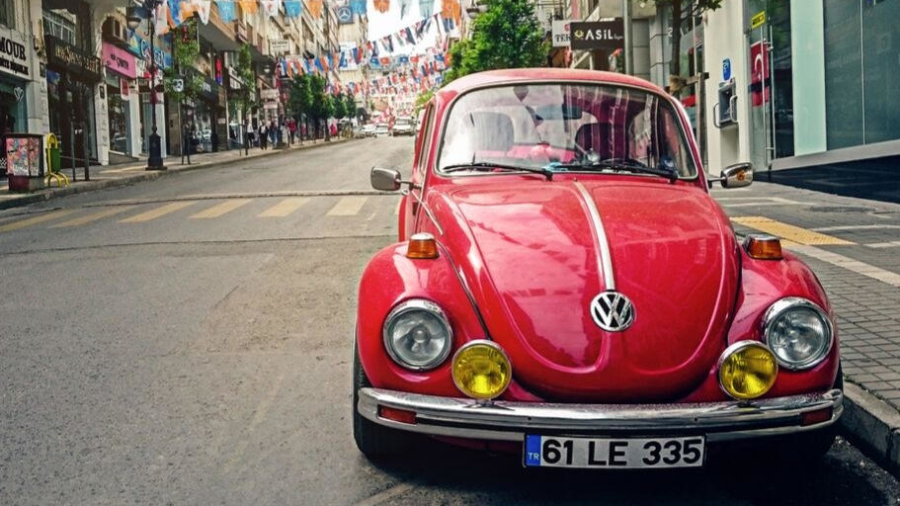
Before 2001, working out the age of a vehicle was a difficult task, as a vehicle’s age was determined by a letter at the beginning of the plate. Therefore, you would have to know exactly which letter represented each year.
However, as of 2001, a new system has been in place that makes it far easier to identify a vehicle’s age.
There are two numbers that will clearly state which year the vehicle was manufactured. However, number plate dates now change twice a year, every March and September. This is to stop a large fluctuation of car sales each summer when people would stop buying vehicles in-order to wait for the new launch of the annual number plate every August.

There are several components to the number plate that reveal a lot about the vehicle it is placed on. Along with this, the DVLA have created several legislations to ensure that the number plate industry is regulated to appropriate standards.
Registration plate regulations
Since 1904, it has been a legal requirement to have a number plate placed on your vehicle, but since then there have been several other rules added to the list to make sure that they are clear and readable:
- The number plate must use the ‘Charles Wright 2001’ font
- The front plate must be white, with the rear yellow
- The font must be black
- There must be no obstructions covering the characters
- No symbols are allowed except for national and the EU flag
The current number plate system
When you look at a current number plate, you will see that it is a mixture of letters and numbers, split into two groups. The first two letters on the plate indicate the region that the vehicle was originally registered. For example, ‘LA’ would indicate that the plate was registered in London with the ‘L’, and more specifically Wimbledon with the second letter ‘A’.
From here, the two letters are followed by two numbers which state the year the car was manufactured. The first plate to follow this system was created in September 2001 which had the numbers ‘51’, the first digit represents the part of the year that the car was registered in (March or September) followed by the ‘1’ which represents the year. If your vehicle is registered between March 1st and August 31st, the first digit reveals the decade of the vehicle, i.e. cars registered in 2018 have the numbers ‘18’.
To confuse things, plates made between September and February follow a slightly different pattern. The first decade that this system was created, the first number was ‘5’, from 2010 onwards it has changed to ‘6’. Leading on from this, in September 2020, the digit will change to ‘7’, and so on.
The last three letters of a number plate are completely random and give the plate it’s unique identity so no two are the same.
What about private number plates?
The private number plate business is making big money at the moment, with more and more people wanting to customise their vehicles. Since it has become so big, the DVLA have begun issuing plates that resemble words and names that add value to them. The most popular plates can fetch hundreds of thousands of pounds, fortunately for most of us, the majority are only a few hundred.
More often than not, the closer a number plate is to resembling a word, or the fewer characters it has, the more expensive it will be. There are certain restrictions when it comes to private plates; you cannot try to make your vehicle appear to be younger than it is, and vulgar words are also not used.
Finally, like with a normal number plate, you have to stick to a specific font and make sure the plate is easy to read.
Disclaimer: this is a collaborative post