

It is no secret that bringing a pet into your home for the first time is a moment filled with excitement and joy. It’s more than just about adopting a new animal, but welcoming a new family member who will enrich your life with love and companionship.
However, pet parenting is a big responsibility, and there’s a lot to learn. Being a successful first-time pet owner requires knowledge, patience, and love. Here’s your guide to Pet Parenting 101 with essential tips to get you started on the right foot.
Pet-proofing is a must
Before your new pet arrives, take time to make your home pet-friendly. Pets are naturally curious, and it’s important to remove anything that could potentially harm them. This includes securing loose wires, storing cleaning products and medications out of reach, and removing toxic plants that might tempt a curious pet. Small objects that could be swallowed, like coins or toys, should also be kept away.
Also, set aside a comfortable space where your pet can sleep, rest, and retreat when they need quiet time. For dogs and cats, a cozy bed in a low-traffic area works well. For small pets like hamsters or rabbits, make sure they have a safe cage with appropriate bedding and plenty of room to move around.
Your pet’s health comes first
One of the most essential aspects of pet parenting is making sure your pet receives regular veterinary care. It is important to schedule a vet appointment soon after bringing your new pet home to establish a baseline of their health. Your vet will help you set up a vaccination schedule, discuss spaying or neutering, and advise you on parasite prevention.
Additionally, make sure that you keep an eye out for changes in your pet’s behavior, appetite, or appearance, as these can sometimes be the first signs of health issues. Early detection can make all the difference when it comes to keeping your pet healthy.
Feed them right
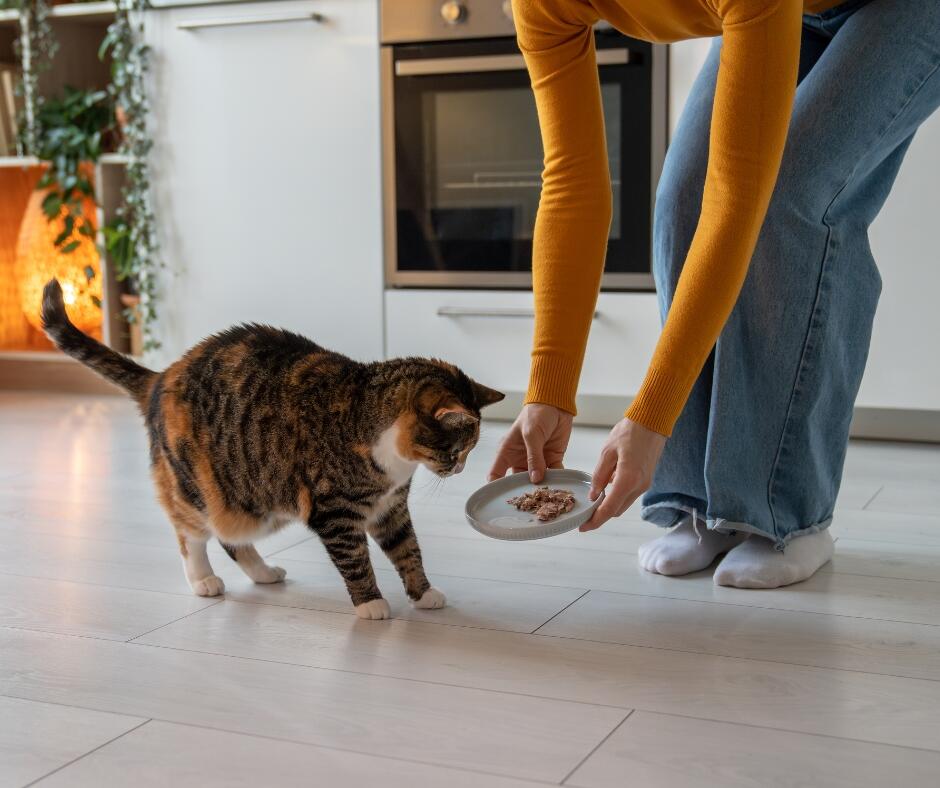
Proper nutrition is a non-negotiable part of your pet’s health, and feeding them the right diet from the start will support their growth and energy levels. It’s important that you choose food that is appropriate for your pet’s species, age, and size. For example, puppies need food rich in protein and healthy fats to support their development, while senior cats may require food that supports joint health.
If in doubt, you can consult with your vet about the best food options for your specific pet. They can provide recommendations based on breed and individual health needs. Always keep fresh water available, and avoid giving your pet human food like chocolate, onions, and grapes as they can be toxic to pets.
Build good behaviour early
Training your pet is one of the most important things you’ll do as a pet parent. It not only helps build a strong bond between you and your new friend but also ensures their safety and well-being.
You can start with basic commands for dogs like “sit,” “stay,” and “come.” Housebreaking should begin immediately, and crate training can be helpful for both house training and giving your pet a safe space to rest.
Positive reinforcement is the most effective training method, and one of the best ways to encourage positive behavior in your pet is through the use of treats. Pet treats play a pivotal role in training and rewarding your furry friend. For example, rewarding your dog with dog treats when they successfully “sit” on command or giving your cat a treat when they use their litter box is a great way to reinforce positive behaviors
Keep your pet active
Just like humans, pets need regular exercise and mental stimulation to stay happy and healthy. It is important that you create playtime as it strengthens the bond between you and your pet while helping them release pent-up energy.
For dogs, daily walks and interactive toys are a must, while cats enjoy a variety of toys that stimulate their hunting instincts. And if you are living in an apartment, indoor games like tug-of-war or using puzzle toys can help keep them entertained while improving their mental and physical health.
Establish a routine
Like children, pets thrive on routine. It is important that you establish a consistent schedule for feeding, exercise, playtime, and bathroom breaks. This structure will help reduce anxiety and make it easier for your pet to understand what is expected of them. For example, feeding your pet at the same time every day helps regulate their digestion and prevents overeating.
If you have a dog, regular walks at consistent times will not only provide physical activity but also help with house training. Cats, on the other hand, enjoy consistency when it comes to litter box placement and mealtime. Creating predictable routines helps your pet feel secure and relaxed.
Practice patience and love
Becoming a pet parent for the first time will come with its challenges. Whether it’s a puppy that’s slow to learn potty training or a cat that’s shy around strangers, patience is key. Pets, like people, need time to adjust to new environments, routines, and expectations.
Give your pet plenty of positive reinforcement and affection as they go through this new life with you. Remember that building a strong bond with your pet doesn’t happen overnight. Over time, your pet will come to trust and depend on you as their caregiver, friend, and family.
Welcoming a new pet into your life is a joyous and rewarding experience. As a first-time pet parent, being prepared with these essential tips will help ensure that you create a happy, healthy, and well-behaved pet. And, in return, you’ll gain a loyal companion who will bring endless joy and love into your life. Remember, patience, love, and consistency are the cornerstones of happy pet parenting.
Disclosure: this is a collaborative post