
Japanese knotweed is an invasive plant species that’s dreaded and loathed throughout the UK.
Brought here from the Far East in the days of Queen Victoria, Japanese knotweed was initially quite popular among horticulturists, but outside of its native habitat it was able to spread very, very quickly.
Nowadays, Japanese knotweed is a notorious nuisance—Parliament has even passed laws to try and stop the plant from spreading any further than it already has. If you’ve got Japanese knotweed on (or near) your property, it’s important to take action before it grows out of control.
Here are five things every homeowner ought to know about this troublesome weed…
1. What does it look like?
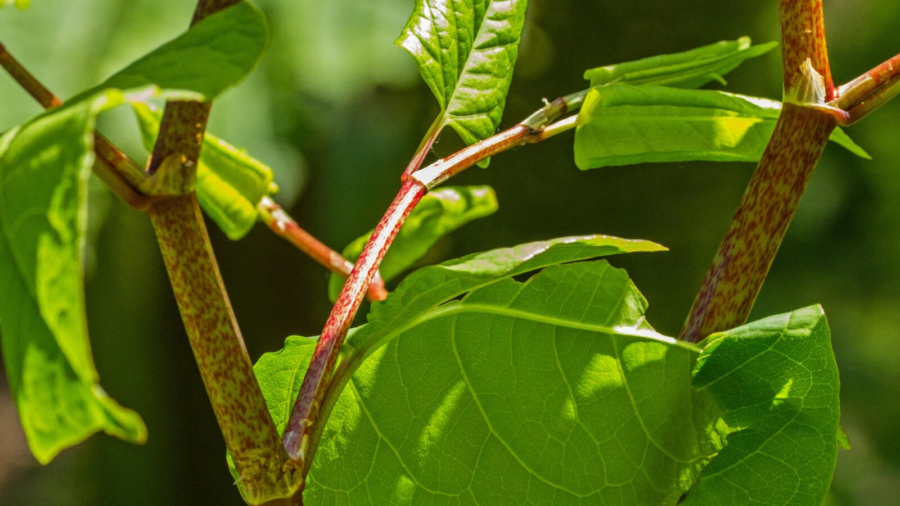
For a plant with such a fearsome reputation, Japanese knotweed really doesn’t look all that menacing. If you’re picturing something monstrous along the lines of Audrey II from Little Shop of Horrors, put that image out of your mind—here are the identifying features to look for:
- Hollow, bamboo-like stems with purple speckles
- Red and purple shoots appearing in spring
- Clusters of small white flowers in summer
- Large, heart-shaped green leaves
2. What damage can it do?
Japanese knotweed has been known to damage buildings and roads as it grows in search of nourishment. The plant is capable of pushing through small cracks in walls and paving, clogging pipes and drains, and even disrupting underground cables.
That being said, actual structural damage isn’t too common—you should probably be more worried about the impact Japanese knotweed can have on property values. A knotweed infestation could knock as much as 15% off the value off your home; also, because mortgage lenders tend to be put off by Japanese knotweed, it may be hard for you to find a buyer even at a reduced price.
3. What does the law say?
The good news is that you are not breaking the law simply by having Japanese knotweed in your garden. However, you will be in trouble if you help the plant to spread elsewhere—even if you do so by accident. You may receive a £5,000 fine or even a prison sentence if you allow contaminated soil or plant waste to spread into the wild.
Additionally, if you permit your Japanese knotweed to encroach on a neighbour’s property, they may make a claim against you for failing to contain it.
4. What should I do if it’s on my property?
If you find knotweed on your property, you should contact a weed control pro who specialises in Japanese knotweed removal. A qualified expert will be able to:
- Confirm the plant’s identity
- Recommend a suitable treatment programme
- Carry out the necessary work
- Monitor to make sure the knotweed doesn’t return
Be sure to choose a Japanese knotweed company that offers an insurance-backed guarantee; this will mean that you remain covered even if the business stops trading.
5. What should I do if it’s on my neighbour’s property?
First, try to resolve the problem amicably. You don’t want to fall out with your neighbours if you can possibly avoid it!
As with Japanese knotweed growth on your own land, it’s a good idea to contact a professional and ask them to keep an eye on the problem—even if your neighbour refuses to do anything, you and your specialist can keep a record of the plant’s growth and take photos to use as evidence in the event that the plant crosses your property boundary and becomes your problem, in which case you may wish to make a claim against your neighbour.
With any luck, though, your neighbour will take rapid action as soon as you inform them of the invasive weed in their garden. After all, it’s to their benefit as well as yours!
Disclosure: this is a collaborative post