
Modern life often leaves very little room or time for leisure. Between work, family, and the immense number of digital distractions we’re forced to contend with, it’s easy to let hobbies slide to the bottom of the priority list.
But research increasingly shows that dedicating time to the activities you love (whether it’s painting, cycling, or learning an instrument) isn’t just fun. It’s essential for your overall well-being, helping you feel calmer, more focused, and more fulfilled.
Mental and Emotional Benefits
Hobbies give your mind space to rest and recharge, offering an escape from daily stress while boosting creativity and focus. A study published by Harvard Health found that people with regular hobbies report greater life satisfaction and fewer symptoms of depression or anxiety.
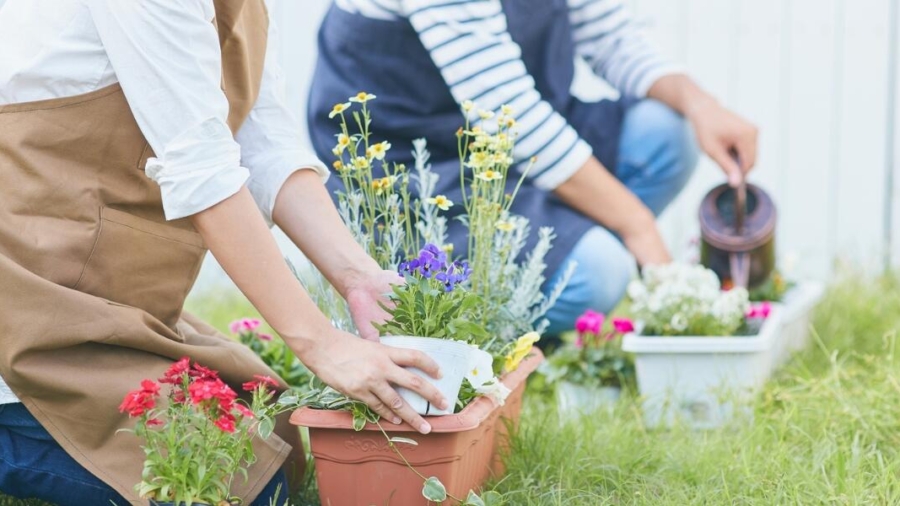
Whether it’s sketching, gardening, or learning the piano, engaging in creative activities triggers a sense of flow and a mental state where time seems to disappear and stress melts away. In short, hobbies are a powerful form of mindfulness.
They pull your attention into the present moment, giving your brain the break it needs to process emotions and ideas more clearly.
Physical and Lifestyle Benefits
Active hobbies, from cycling and hiking to dance or yoga, aren’t just good for the body, but they’re vital for long-term physical health. Regular, enjoyable movement lowers stress hormones, improves cardiovascular health, and boosts energy levels.
That said, every active pursuit carries some level of risk. It’s important to stay mindful of safety by wearing the right gear, maintaining equipment, and knowing your limits.
If an accident does occur, it’s good to know that there are places you can go to help with post-accident support and guidance, particularly for road-based activities such as cycling or motorcycling.
Social Connection and Skill Development
Hobbies also build communities. Joining a local art class, a running club, or a weekend book group can connect you with like-minded people who share your interests. These social interactions are a major driver of happiness and self-confidence, especially in adulthood.
Learning or practising a skill with others offers structure and shared purpose, which are two key ingredients for long-term motivation. Because it’s not just about the hobby itself; it’s about belonging, laughter, encouragement and finding your people.
Making Time for Hobbies
Many people assume they’re too busy for hobbies, but even short bursts of focused time can make a difference. Try setting aside 15–30 minutes a few times a week or build your hobbies into your daily routine.
Morning sketching, lunchtime walks, or evening reading sessions are small but powerful habits that nourish balance. Carving out personal time for your interests strengthens self-awareness, creativity, and resilience and builds you into a more complete individual.
Long-Term Benefits
Hobbies are more than distractions. They’re anchors for a balanced, joyful life. They help you manage stress, nurture your health, and foster genuine connections. Whether your passion is active or creative, solo or social, make space for it.
The time you spend doing what you love pays back tenfold in wellbeing, confidence, and calm. Because in the end, those moments of joy and focus are the foundation of a happier, healthier you.
Disclosure: this is a collaborative post