Mindfulness refers to the set of strategies that can be used to destress and re-centre your focus. This can be particularly helpful for children during exam season.
Its aim is to distract you from any overwhelming thoughts that you may have using what you can see, hear, smell, taste and touch around you.
There are many strategies that mindfulness encompasses so if there’s one that doesn’t work for your child, there are more that you can experiment with. If you’re unsure where to start, this school has some advice below.
Counting candles
Young children may need something a little more engaging. This exercise relies on their imagination as they must pretend that your fingers are candles needing to be extinguished. They must blow on each until they’ve all been put out.
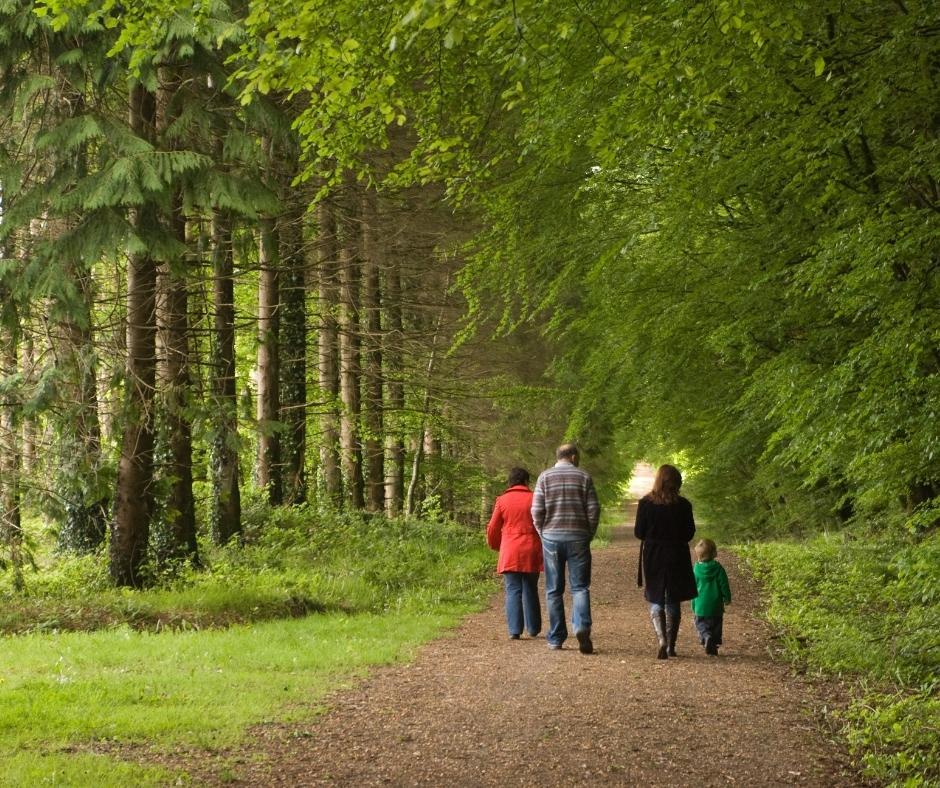
Mindful walking
There’s lots that children can focus on outdoors which makes walking an ideal activity. They can get some fresh air while releasing some endorphins and take in what they see around them.
While on your walk together, ask them to look out for the sounds that they can hear and pose questions about what they can see.
Mindful eating
Food is something that we can all appreciate. Taking extra time to eat is good because it improves our digestion and allows us to experience greater satisfaction.
We can also use it as a way to exercise mindfulness by thinking about the different flavours, textures and scents.
Colouring
Some find that colouring helps too. It can be therapeutic and give children the chance to create something beautiful.
Young children can also use it as a means to improve on their fine motor skills.
A stress toy
Stress or fidget toys can also be used for grounding. They are something for them to divert their extra attention to and let their frustrations out on.
Disclosure: this is a collaborative post
Like this? Pin it for later!