
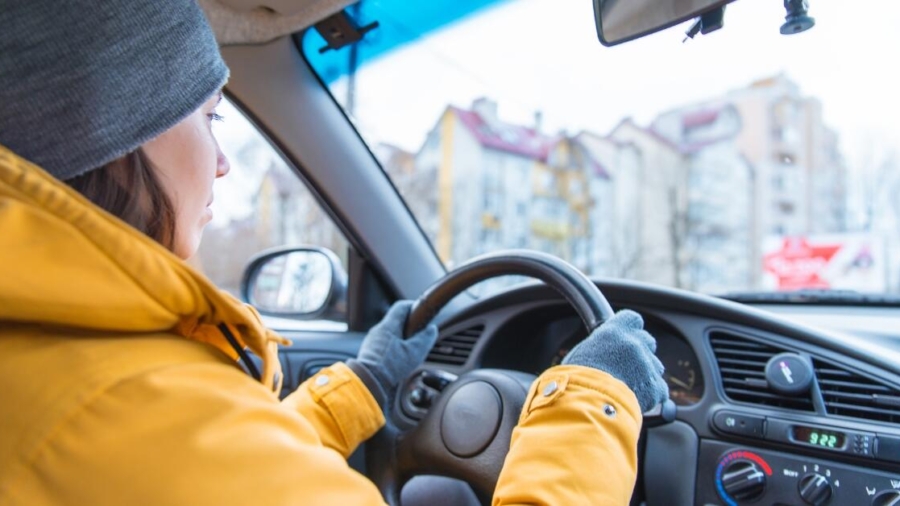
As winter sets in, the charm of snow-covered landscapes is bound to come hand in hand with the challenges of navigating icy roads and battling reduced visibility. While the winter season paints a picturesque scene, it also demands a shift in your approach to safe driving on winter roads.
In this article, we’ll delve into five fundamental tips designed to equip you with the knowledge and precautions necessary for safe driving during the colder months.
From preparing your vehicle to understanding the nuances of navigating slippery surfaces, we’ll explore the intricacies of maintaining visibility and adapting driving behaviours to suit winter conditions.
We aim to help you ensure that your journeys are safe even in harsh weather. Whether you’re a seasoned winter driver or encountering these challenges for the first time, this comprehensive guide will assist in navigating the frosty roads with confidence and preparedness. Let’s dive in!
1. Preparing your vehicle
Winterizing your vehicle is the cornerstone of safe winter driving. Start by checking your tire tread depth and pressure, and consider switching to winter tires for an enhanced grip.
Additionally, check if your heaters and defrosters are working, and ensure that fluids like antifreeze and windshield washer fluid are at optimum levels to withstand freezing temperatures. Your car’s battery health is also critical; inspect its connections and consider carrying jumper cables. Don’t forget to make sure that all your car’s components, from the brakes to the car exhausts, are in working condition.
Additionally, pack an emergency kit with essentials like blankets, a flashlight, and non-perishable food. By fortifying your vehicle against winter’s challenges, you’ll create a reliable cocoon for safer travels, allowing you to navigate through the frosty roads with greater assurance and preparedness.
2. Navigating slippery roads
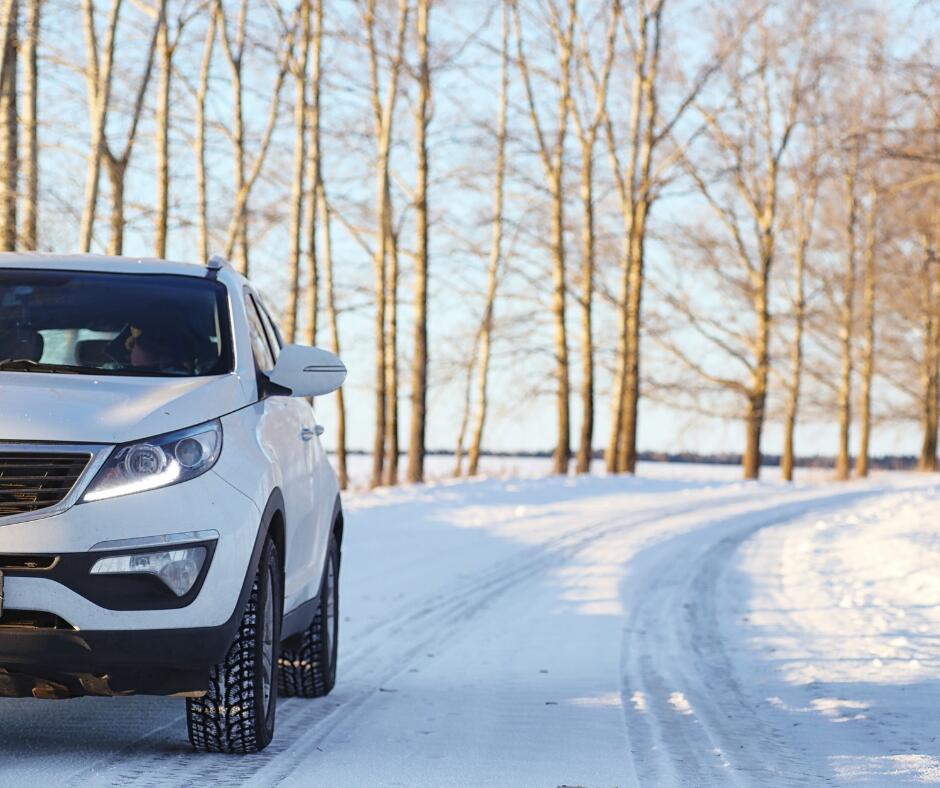
Navigating icy roads demands finesse. Make sure to brake gently, allowing for longer stopping distances, and avoid sudden manoeuvres to prevent skidding. Additionally, steer with care, making slow and deliberate movements to maintain control on snow-covered surfaces.
Understanding your vehicle’s traction control and ABS systems can aid you in managing slippery conditions effectively. By adopting these techniques and respecting the unpredictable nature of winter roads, you can navigate through the icy challenges with confidence, ensuring a safer journey for yourself and those sharing the wintry thoroughfare.
3. Visibility matters
Visibility is paramount when driving in winter conditions. You have to keep your windshield clear by using appropriate washer fluid and maintaining the wiper blades. Moreover, clear the ice and snow regularly to ensure unobstructed views.
You can also check and clean your car’s headlights, taillights and fog lights for maximum visibility. Make sure to use the defrosters effectively to prevent fogging inside the vehicle.
Enhanced visibility not only ensures your safety but also contributes to the safety of others on the road. By prioritising clear vision through well-maintained windshields and lights, you’ll be able to mitigate risks and navigate winter roads with heightened clarity and awareness.

4. Safe speeds and following distances
Adapting your speed and following distances is pivotal for safe winter driving. You have to reduce your speed to match the road conditions, allowing ample time to react and stop if needed.
Additionally, increase the following distances, maintaining a generous gap between vehicles to accommodate unexpected manoeuvres on slippery surfaces. It’s essential to respect the limitations posed by ice and snow and adjust your pace accordingly.
By driving at safe speeds and maintaining adequate distances, you can enhance your control and reaction time, mitigating the risks inherent in winter conditions. Prioritising caution and patience on wintry roads ensures a safer journey for yourself and fellow travellers sharing the winter highways.
5. Emergency preparedness
When it comes to winter driving, preparedness is key. Make sure to stock your vehicle with essential emergency items like blankets for warmth, a flashlight, extra clothing, non-perishable food, and a first aid kit to tackle unforeseen challenges.
You can also carry a portable charger for your phone, ensuring constant communication access. Additionally, consider adding traction aids like sand or kitty litter, a shovel, and ice scrapers for emergencies.
These provisions serve as a safety net, empowering you to handle unexpected situations with resilience. Being equipped with a well-rounded emergency kit ensures readiness for any winter road mishaps, providing confidence and peace of mind during your travels in these unpredictable conditions.
As the frosty season blankets the landscape, safe winter driving demands preparation, adaptability and vigilance. By implementing these five key strategies outlined, you can fortify your safety net on wintry roads.
These measures not only safeguard your journey but also contribute to the overall safety of everyone sharing the winter roads with you. Remember, the beauty of winter drives comes with the responsibility of cautious driving.
With these insights and preparedness at hand, you can enjoy the season’s allure, navigating through its challenges with confidence and resilience. This helps to ensure that each journey remains a picturesque and secure winter adventure.
Drive safe, stay prepared, and cherish the winter wonderland responsibly!